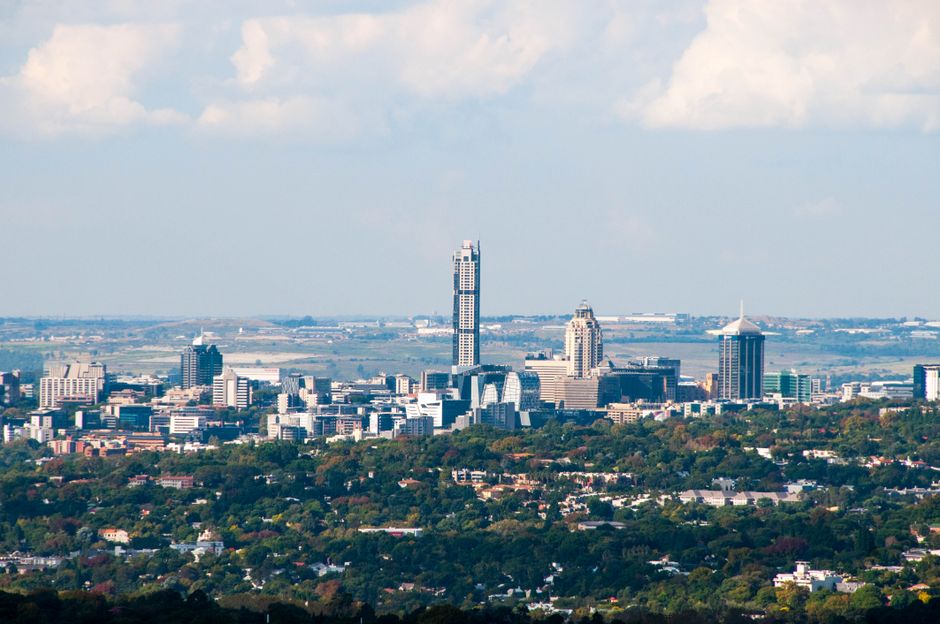
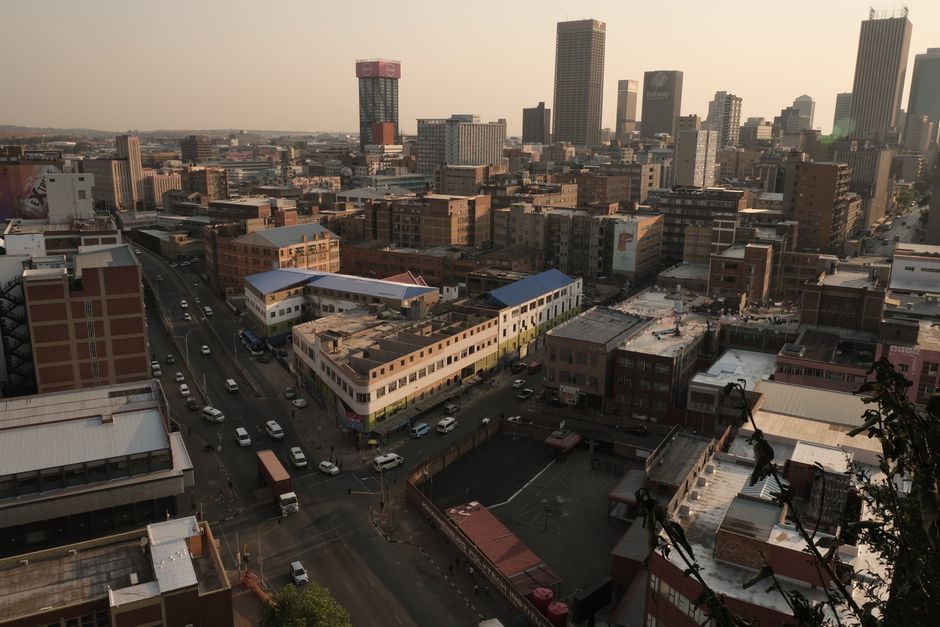
Johannesburg's ultra-premium property corridor is facing its most significant regulatory shift in over a decade, as updated planning decisions from the City of Johannesburg reshape development potential across Sandton, Morningside, and the broader northern suburbs.
The revisions, implemented through amendments to the Municipal Spatial Development Framework and tightened zoning regulations, have introduced stricter density caps and heritage preservation requirements—particularly affecting the coveted zones between Jan Smuts Avenue and Grayston Drive. Properties previously valued at ZAR 8–15 million based on subdivision and multi-unit development potential are now being reassessed, with some losing 15–25 percent of their speculative development premium.
"The policy environment has fundamentally changed," explains the sentiment across major estate agencies operating in the sector. Developers who banked on converting large freeholds into sectional title complexes now face mandatory environmental impact assessments and residential unit restrictions that cap projects at significantly lower densities than their predecessors achieved.
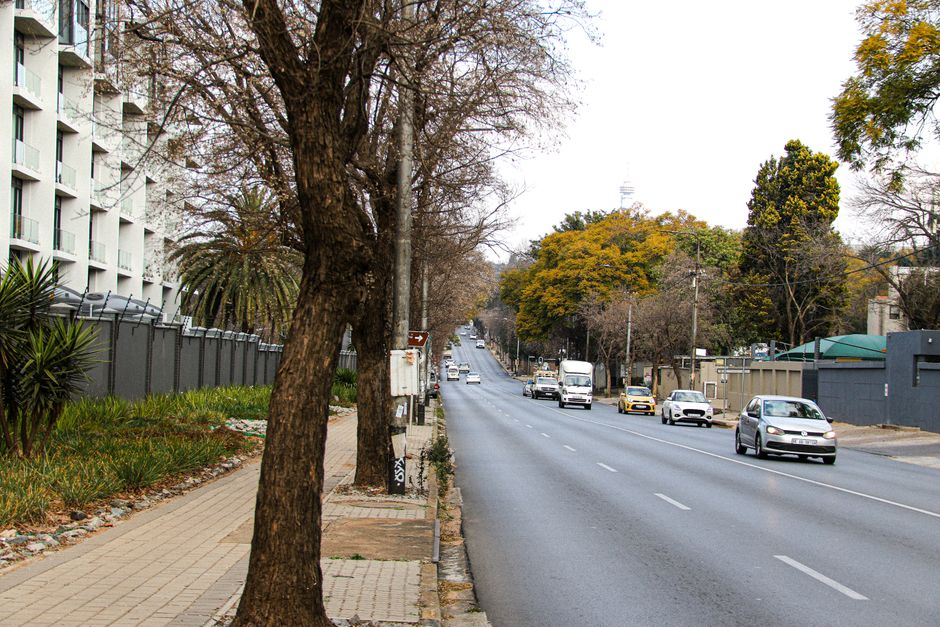
The implications ripple across Johannesburg's affluent neighbourhoods. In Morningside, where trophy properties command ZAR 12–20 million, the new framework has deterred bulk-purchase investors seeking value-add development. Simultaneously, owner-occupiers seeking primary residences have entered the market with renewed confidence, knowing that neighbourhood character preservation is now policy-enforced rather than aspirational.
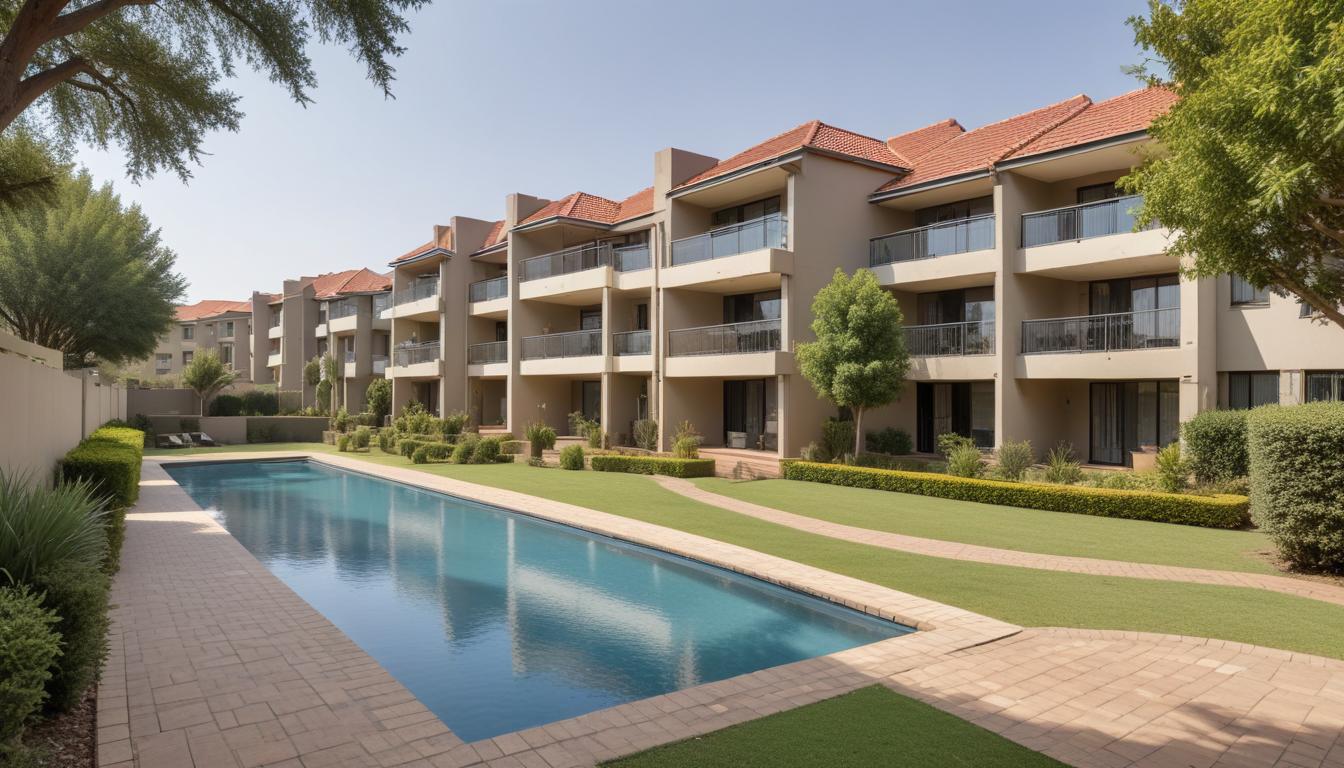
Fourways and Midrand, historically positioned as growth zones with fewer restrictions, are absorbing displaced development demand. The shift has accelerated premium sectional title projects in these areas—properties priced ZAR 3–8 million are experiencing stronger investor interest as alternatives to Sandton's newly constrained opportunities.
The City's Heritage Impact Assessment requirements have also elevated compliance costs. Developments within proximity to identified heritage sites—a category affecting substantial portions of Sandton's older estates—now require specialized consultation and documentation, adding 6–12 months to planning approval timelines and roughly 8–12 percent to project costs.
However, the regulatory tightening has stabilised price volatility in ultra-prime segments. Properties held by long-term resident owners rather than developers have appreciated steadily, with Sandton's most exclusive addresses (particularly those along Katherine Street and adjacent avenues) maintaining value precisely because speculative pressure has cooled.
For investors, the lesson is clear: Johannesburg's luxury market is maturing toward fundamentals-based valuation rather than development-optionality pricing. Those who can navigate the new planning environment—or who seek stabilised, owner-occupied assets—are finding genuine opportunity in a recalibrated market.
This article was compiled by AI from the sources linked above and screened before publishing. See our editorial standards.