Parkhurst Emerges as Joburg's Next Investment Hotspot as Developer Approvals Surge
New mixed-use developments and sectional title projects are transforming the northern suburb into a magnet for property investors seeking value beyond Sandton.
New mixed-use developments and sectional title projects are transforming the northern suburb into a magnet for property investors seeking value beyond Sandton.
Parkhurst, long overshadowed by its wealthier northern neighbours, is experiencing a construction boom that has caught the attention of serious property investors. With multiple large-scale developments approved by the City of Johannesburg in the past 18 months, the suburb is shedding its dormant image and emerging as a genuinely competitive alternative to Sandton's premium pricing.
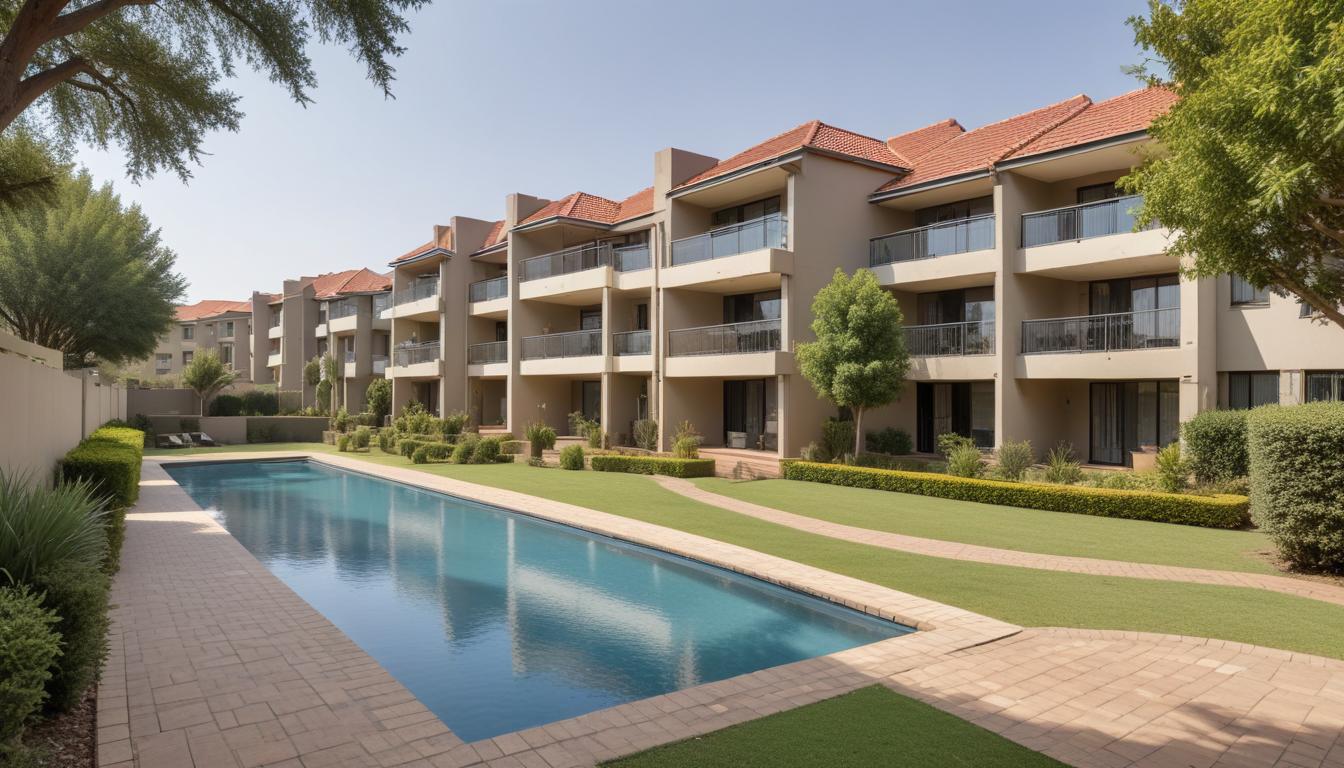
The shift has been driven by a confluence of factors: railway proximity via the Parkhurst Station precinct, improved retail infrastructure around Parkhurst Centre, and critically, zoning approvals that have unlocked mixed-use development potential along key corridors. Two major sectional title complexes have broken ground this year, with units priced between ZAR 1.2M and ZAR 2.8M—roughly 20 percent below comparable Sandton developments. A 180-unit residential and retail project on 4th Avenue received sign-off from the Metro last November, while a second development targeting young professionals has commenced along the Grayston Drive extension.
Property analysts attribute the momentum to deliberate municipal strategy. The City's Spatial Development Framework has identified Parkhurst as a node for medium-density residential growth, part of a broader shift to activate underutilised northern corridor suburbs. Unlike rapid-growth areas such as Fourways and Midrand—where infrastructure strain is becoming evident—Parkhurst benefits from established services: proximity to schools, the Parkhurst Medical Centre, and leisure venues including the Parkhurst Golf Club grounds.
Investor sentiment has shifted accordingly. Three major local property groups have launched dedicated marketing campaigns in the area, and sectional title uptake has accelerated. According to local agents, rental demand from young professionals and small families is outpacing supply, with two-bedroom units achieving yields of 6-7 percent annually.
Yet the surge hasn't been without friction. Community objections to height restrictions on certain developments delayed one approval by six months, and some residents have raised concerns about parking and traffic on residential streets. The Parkhurst Residents' Association has engaged with developers on phasing plans and infrastructure contributions.
For investors evaluating options between established hubs like Melville's urban renewal trajectory and growth suburbs, Parkhurst offers a compelling middle ground: established infrastructure, lower entry costs, and demonstrable demand. With several more approvals expected from the City before year-end, the suburb's transformation from quiet residential pocket to active development precinct appears firmly entrenched.
This article was compiled by AI from the sources linked above and screened before publishing. See our editorial standards.
How does this story make you feel?
Spread the word
About this article
Published by The Daily Johannesburg
Daily brief
Free, in your inbox before 7am. Weekdays.
More in Property