Joburg's Rental Yield Reality: What Investor Returns Actually Show
As vacancy rates climb across Johannesburg's rental market, we examine where yields remain resilient and where landlords are watching returns slip.
As vacancy rates climb across Johannesburg's rental market, we examine where yields remain resilient and where landlords are watching returns slip.
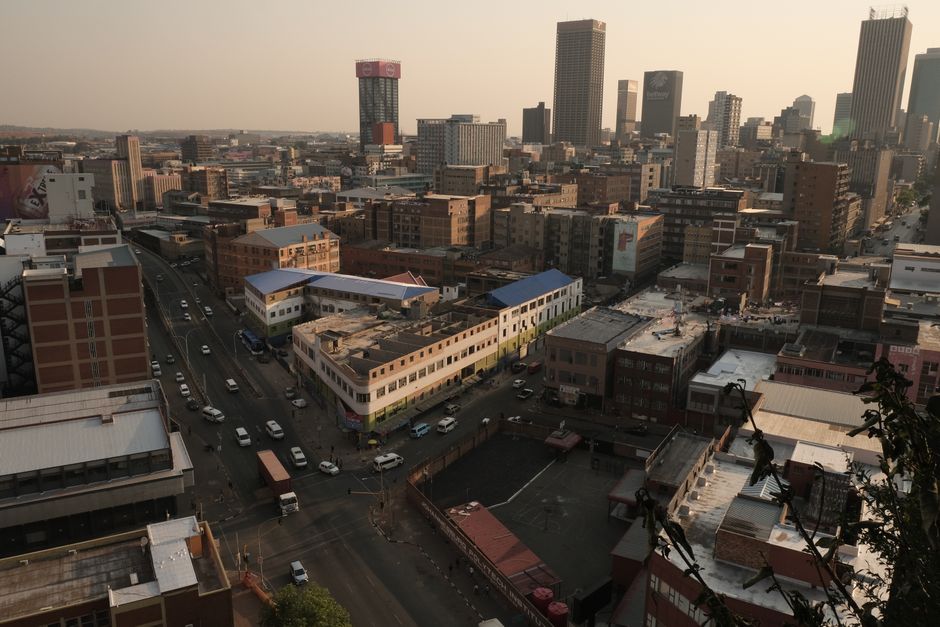
Johannesburg's rental market is sending mixed signals to property investors, with vacancy rates climbing in traditionally stable suburbs while niche pockets continue delivering respectable returns. The data tells a story investors need to understand before deploying capital in the current cycle.
Recent market analysis shows vacancy rates in established residential areas hovering between 8 and 12 percent, a notable shift from the 5–6 percent baseline many investors relied on over the past three years. For context, the Johannesburg average rental price sits around ZAR 1.5 million annually for mid-tier properties, but yield sustainability varies dramatically by location and asset class.
Sectional title apartments in Sandton's corporate corridors—particularly around Grayston Drive and the Katherine Street precinct—are performing differently than freestanding homes. Yield-focused investors report net rental returns of 5–6 percent on well-maintained units, but vacancy periods between tenants have extended to 6–8 weeks. By contrast, smart developers targeting the Fourways and Midrand rental market, where corporate relocations continue, are achieving 6.5–7 percent gross yields on newer apartment complexes, despite higher acquisition costs.
Melville is emerging as an unexpected bright spot. The suburb's urban renewal narrative—driven by restaurant openings, gallery spaces, and young professional migration—has tightened vacancy across smaller, well-appointed rentals. One-bedroom units on 7th Street and nearby lanes are sustaining 5.8–6.2 percent yields with turnover cycles under four weeks, a rarity in central Joburg right now.
The sectional title sector, which dominates investor portfolios across Johannesburg, reveals the crux of the challenge. Properties under ZAR 2 million show steadier tenant retention and lower vacancy, while premium units above ZAR 3 million face extended holding periods and yield compression. This suggests investors chasing high-value assets may be pricing in returns that no longer materialise.
What's driving the shift? Flight to quality remains a factor—tenants are selective, demanding modern security systems and reliable services. Rising municipal rates and water pressure are eroding gross yields, pushing net returns downward. Additionally, remote work flexibility has diluted the traditional corporate rental demand concentrated in CBD-proximate suburbs.
Smart investors are recalibrating. Rather than chasing headline prices in Sandton, they're examining secondary nodes like Rosebank and Parktown for value, while monitoring Melville's longer-term gentrification trajectory. The message is clear: generic rental stock is no longer generating the passive income cushion investors assumed. Specificity—location timing, asset type, tenant profile—now determines whether Johannesburg rental yields reward patience or punish complacency.
This article was compiled by AI from the sources linked above and screened before publishing. See our editorial standards.
How does this story make you feel?
Spread the word
About this article
Published by The Daily Johannesburg
Daily brief
Free, in your inbox before 7am. Weekdays.
More in Property