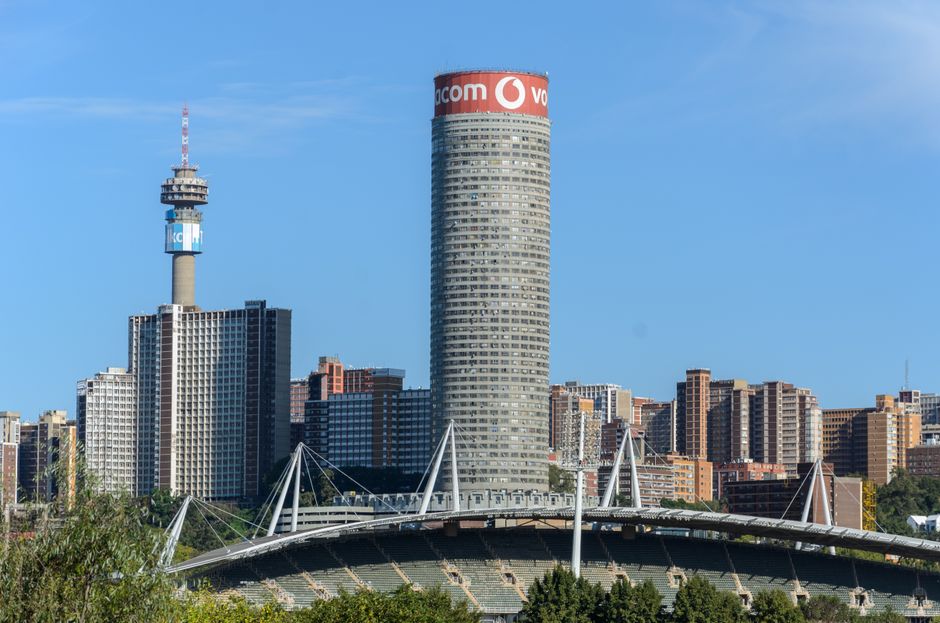
Johannesburg's property landscape is undergoing a significant recalibration following the City's updated Social Housing Policy framework, which introduces mandatory inclusionary zoning requirements for large residential developments. The shift, formally adopted earlier this year, demands that projects exceeding 50 units allocate between 15 and 25 percent of residential space to social housing—a move that's already rippling through planning applications from Fourways to Maboneng.
The policy's immediate impact is visible in project timelines and financing structures. Developments in Midrand's emerging corridor, traditionally pitched at the aspirational middle market, now face extended approval processes as municipal planners assess compliance pathways. Meanwhile, the blanket average Johannesburg property price of ZAR 1.5 million masks a growing bifurcation: premium Sandton stock remains insulated, but mid-market segments in Melville and along the Braamfontein strip are seeing developer strategies shift toward mixed-income models that integrate social units into mainstream precincts rather than segregating them.
City planners argue the framework addresses a critical supply gap. With backlog estimates exceeding 400,000 units citywide, traditional market-rate development hasn't closed the affordability canyon. The policy targets households earning ZAR 3,500 to ZAR 15,000 monthly—precisely the segment priced out of standard sectional title investments that dominate investor portfolios today.
But the mechanism carries trade-offs. Developers report that mandatory social units compress project margins, forcing either reduced profit forecasts or higher pricing on market-rate components to subsidise affordable units. Several major applications—including mixed-use precincts near Rosebank and proposals along the Bryanston-Sunninghill corridor—have been redesigned to front-load social housing in earlier phases, creating staggered revenue models rather than traditional completion-driven financing.
The City has established a Social Housing Company to facilitate delivery and manage long-term stewardship, though funding mechanisms remain contested. Sectional title investors, who've traditionally relied on appreciation in established nodes like Melville and Braamfontein, are watching cautiously. Early data suggests properties within designated mixed-income zones experience marginally slower appreciation—roughly 4-5 percent annually versus the 6-7 percent baseline—but demonstrate superior tenant stability and lower vacancy rates.
Industry bodies remain divided. The Johannesburg Chamber of Commerce emphasises supply-side constraints, while housing advocacy networks frame mandatory inclusion as essential infrastructure policy. What's clear: developers navigating 2026 Joburg approvals can no longer design around affordability. The question now is whether policy architecture translates intent into actual delivery—and what that means for investor returns across the city's fractured property ecosystem.
This article was compiled by AI from the sources linked above and screened before publishing. See our editorial standards.