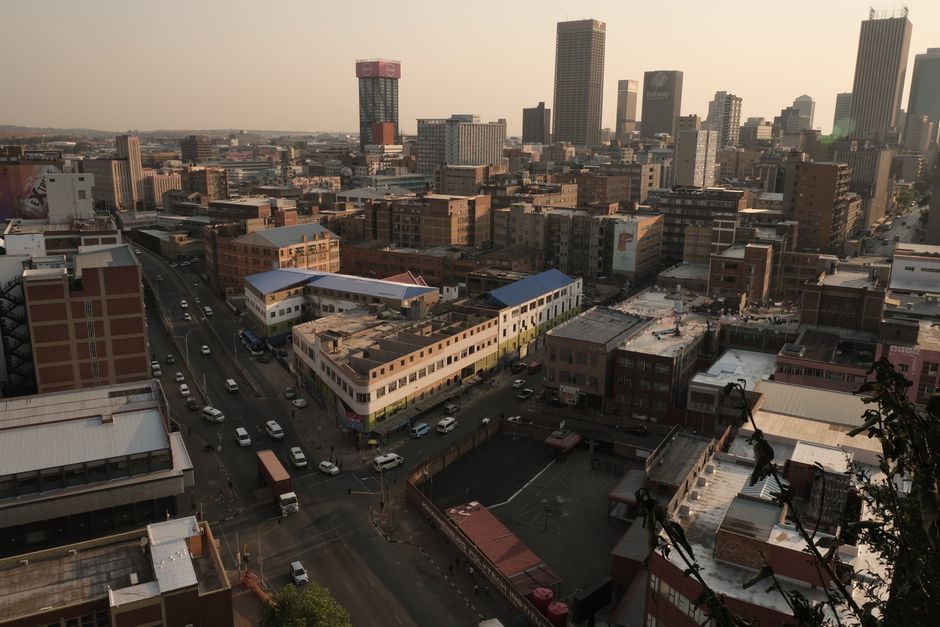
Johannesburg's property market is experiencing a seismic shift, driven not by foreign investment or speculative fever, but by ground-level development projects that are fundamentally reshaping affordability across key neighbourhoods. The average Johannesburg property price hovers around ZAR 1.5 million, yet new developments in growth corridors like Fourways and Midrand are testing whether this ceiling can stretch—or whether it will crack under pressure.
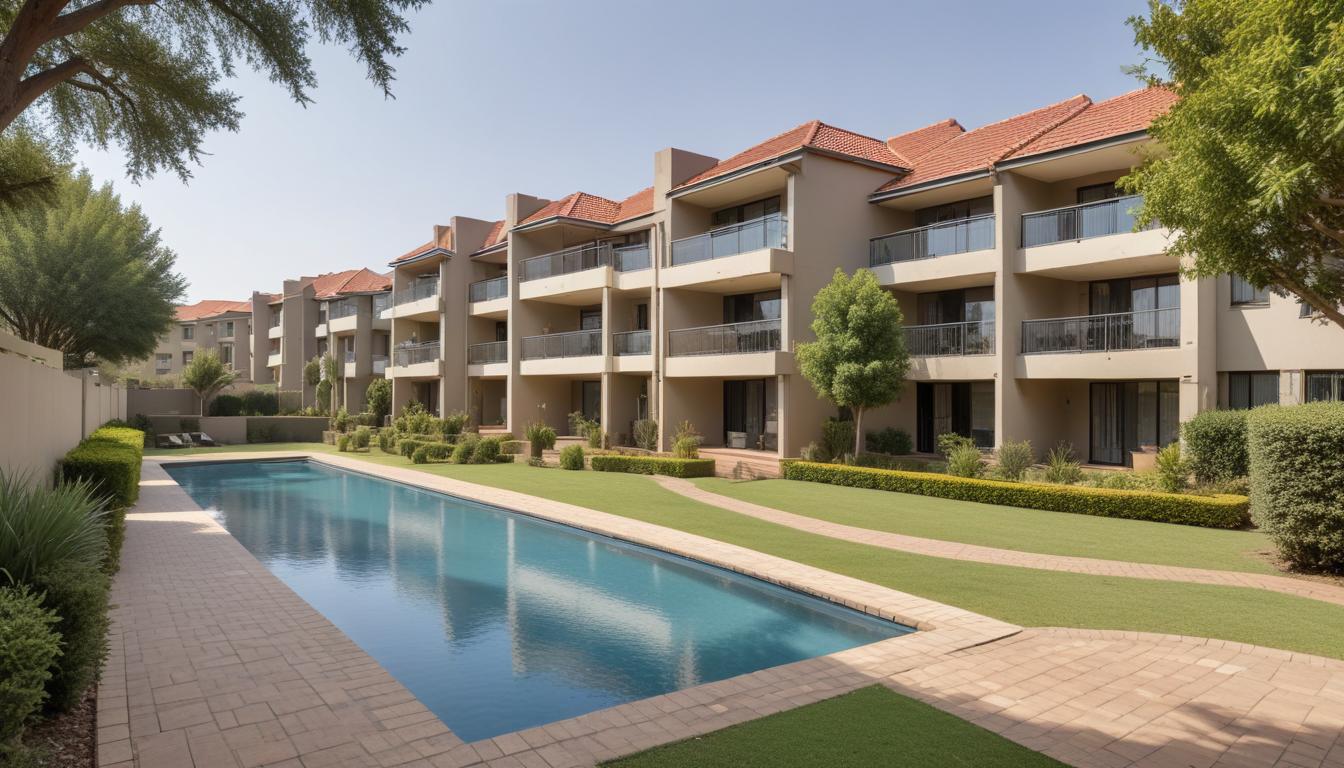
The most telling indicator lies in the sectional title boom. Investors and young professionals are gravitating toward mixed-use precincts where residential units sit above retail or office space. These developments promise urban convenience without the maintenance headaches of a freestanding home. Yet prices tell a cautionary tale: a two-bedroom unit in a new Fourways complex now commands ZAR 1.8 million to ZAR 2.2 million—above the city average despite smaller square meterage. Developers argue this reflects location premiums and modern amenities; affordability advocates worry it signals pricing out of reach for many middle-income earners.
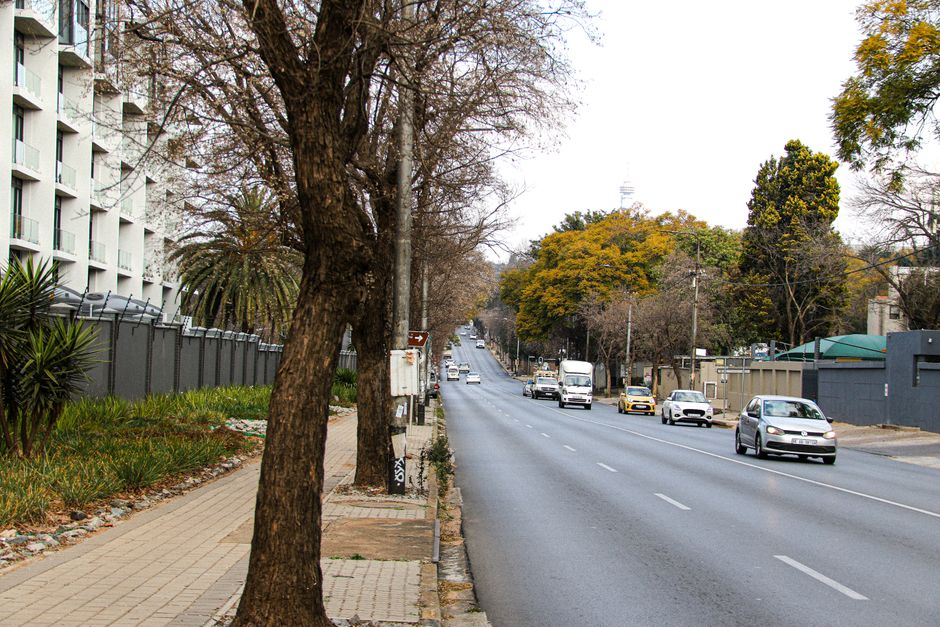
Melville presents a different narrative. Urban renewal projects along 7th Street and surrounding avenues are breathing new life into an aging precinct, attracting younger buyers seeking walkable neighbourhoods. New developments here target ZAR 1.2 million to ZAR 1.6 million, positioning Melville as an alternative to pricier Sandton. However, rising land values mean future phases will likely push higher, challenging the neighbourhood's democratising promise.
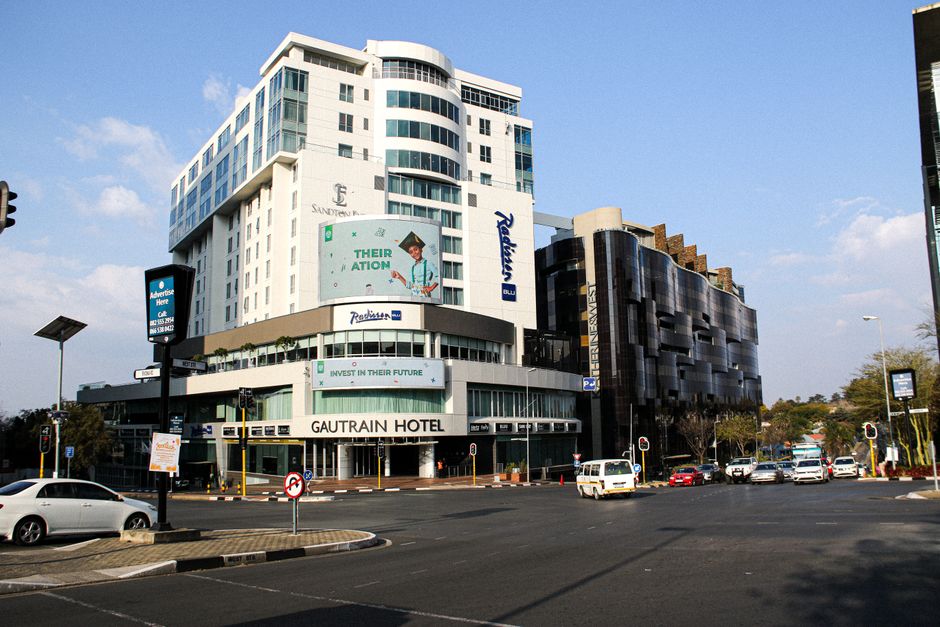
The Midrand corridor—traditionally viewed as a pure commercial zone—is witnessing residential densification that could reshape Joburg's spatial economy. Developers are capitalising on proximity to employment nodes and Gautrain accessibility. Early-phase units attracted ZAR 950,000 to ZAR 1.3 million buyers; later phases are already creeping toward ZAR 1.7 million, suggesting developers are testing market appetite and pricing accordingly.
What these projects reveal is a supply-and-demand tension playing out across neighbourhoods simultaneously. New developments bring necessary housing stock, yet their pricing suggests developers expect continued demand from higher-income segments. First-time buyers seeking entry-level properties—historically the ZAR 800,000 to ZAR 1.2 million bracket—face a shrinking pool of new options in established areas.
The real test lies ahead. If new precincts successfully create walkable, mixed-income communities, they may justify premium pricing through lifestyle value. If they become gilded enclaves, they'll have deepened Joburg's affordability crisis rather than solved it. The next 18 months will tell which story Johannesburg's developers are actually building.
This article was compiled by AI from the sources linked above and screened before publishing. See our editorial standards.