Why Joburg First-Home Prices Keep Rising—and What Buyers Must Do Now
Grants haven't kept pace with market fundamentals, leaving new owners scrambling to bridge the gap before rates climb further.
Grants haven't kept pace with market fundamentals, leaving new owners scrambling to bridge the gap before rates climb further.
The first-time buyer in Johannesburg faces an uncomfortable truth: government grants have stalled while property prices have surged, leaving a widening chasm between aspiration and affordability.
The average Johannesburg property now sits around ZAR 1.5 million, yet the government's housing subsidy for first-time buyers earning below ZAR 3,500 monthly remains capped at ZAR 87,000—a figure that hasn't meaningfully increased since 2008. For a young professional eyeing a sectional title in Melville or a starter home in Fourways, that subsidy covers little more than transfer fees and conveyancing costs.
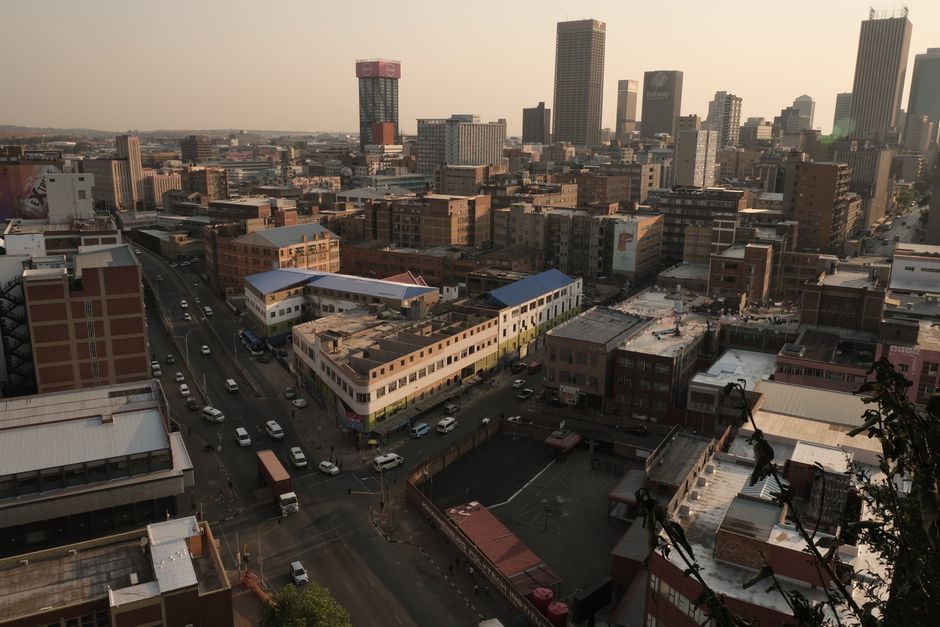
What's driving prices upward? Three factors are colliding. First, demand from investors has intensified in growth corridors like Midrand and Fourways, where rental yields attract both local and offshore capital. Second, construction costs have climbed 15–20% over three years, pushing developer prices higher and trickling down to the secondhand market. Third, interest rate volatility—the Reserve Bank's cautious stance has kept borrowing expensive—makes sellers reluctant to reduce asking prices, betting that rates will eventually stabilize.
The National Housing Finance Corporation (NHFC) does offer gap-financing products to bridge the subsidy shortfall, but awareness remains low. Banks, too, have tightened affordability assessments since the pandemic, meaning buyers need stronger income multiples and larger deposits to secure approval.
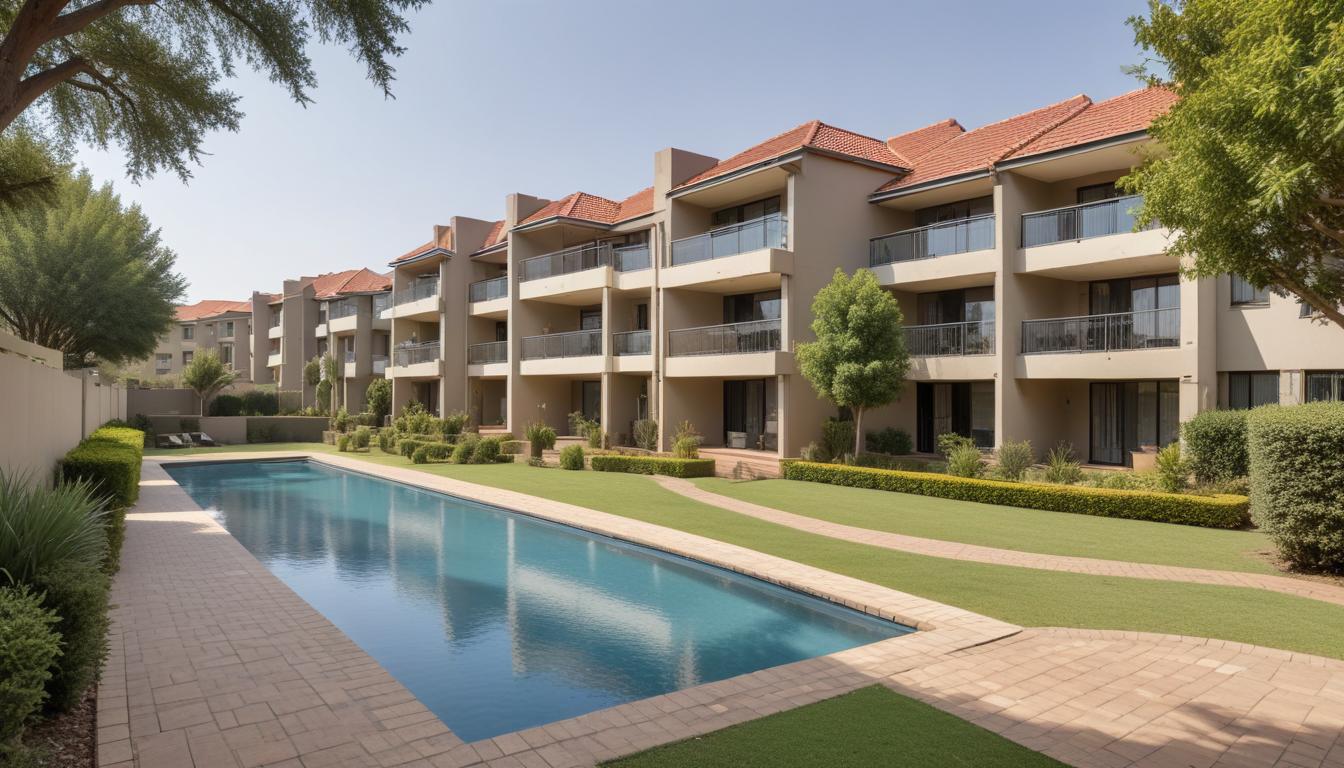
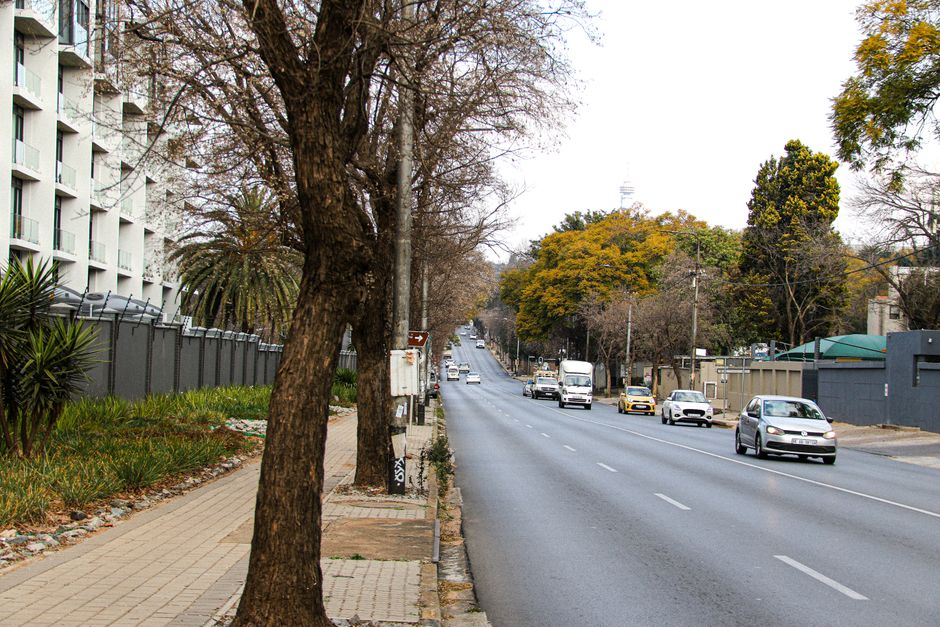
For first-time buyers moving now, the calculus has shifted. Rather than waiting for prices to fall—unlikely in sought-after zones—buyers should focus on three levers: first, maximise the grant by registering with your municipality early and obtaining a pre-approval letter from your bank; second, explore sectional title properties in transitional areas like parts of Kensington or Aucklandpark, where prices lag premium neighbourhoods like Sandton; third, consider longer bond terms (20–25 years) to ease monthly strain, even if total interest cost rises.
The Johannesburg Housing Company and several NGOs based around the Johannesburg Development Agency precinct offer free financial literacy sessions for prospective buyers—knowledge that often proves more valuable than hunting for a lower asking price.
The uncomfortable reality: grants and finance tools exist, but they require navigation. The buyers who succeed now are those who treat the process like a project manager, combining government support with realistic neighbourhood choices and disciplined financial planning. Waiting for prices to crash or grants to double will likely mean missing the current window—when interest-rate cuts, if they come, could shift the entire equation in buyers' favour.
This article was compiled by AI from the sources linked above and screened before publishing. See our editorial standards.
How does this story make you feel?
Spread the word
About this article
Published by The Daily Johannesburg
Daily brief
Free, in your inbox before 7am. Weekdays.
More in Property