First-Time Landlord's Guide: Navigating Johannesburg's Investment Property Yields in 2026
With rental demand surging across key nodes, newcomers to the Joburg property market need a clear roadmap—here's what savvy investors are doing right.
With rental demand surging across key nodes, newcomers to the Joburg property market need a clear roadmap—here's what savvy investors are doing right.
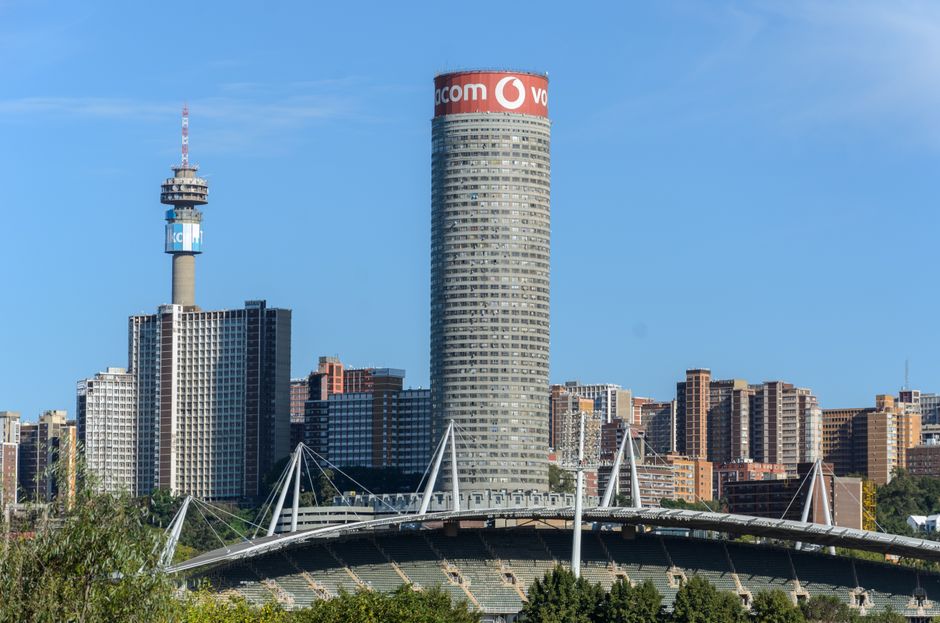
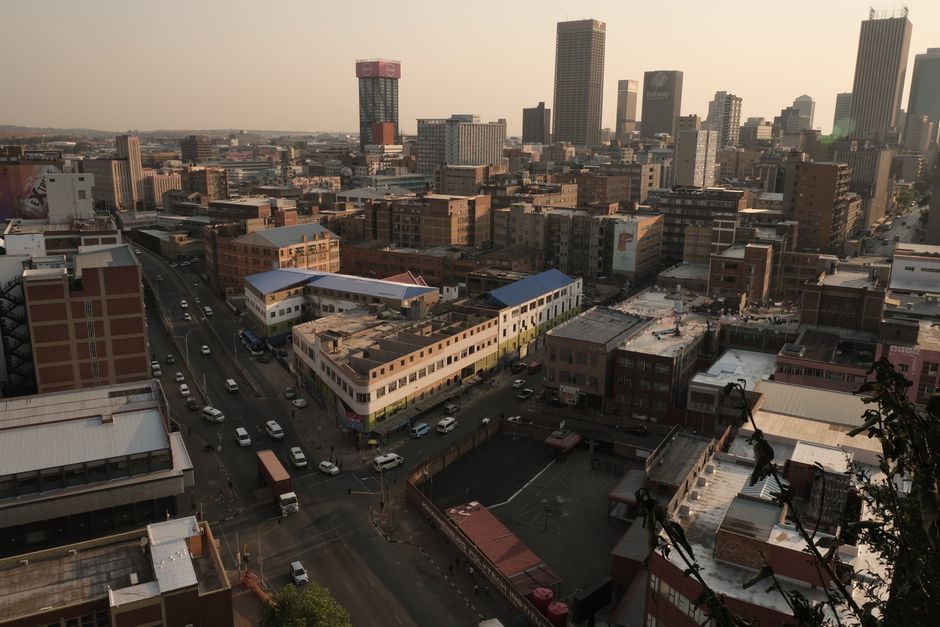
The Johannesburg property investment landscape has shifted dramatically. With the city's average residential property hovering around ZAR 1.5 million, first-time landlords face a maze of choices—and significant opportunity. The key is understanding where yields matter most and what separates a solid investment from a cash drain.
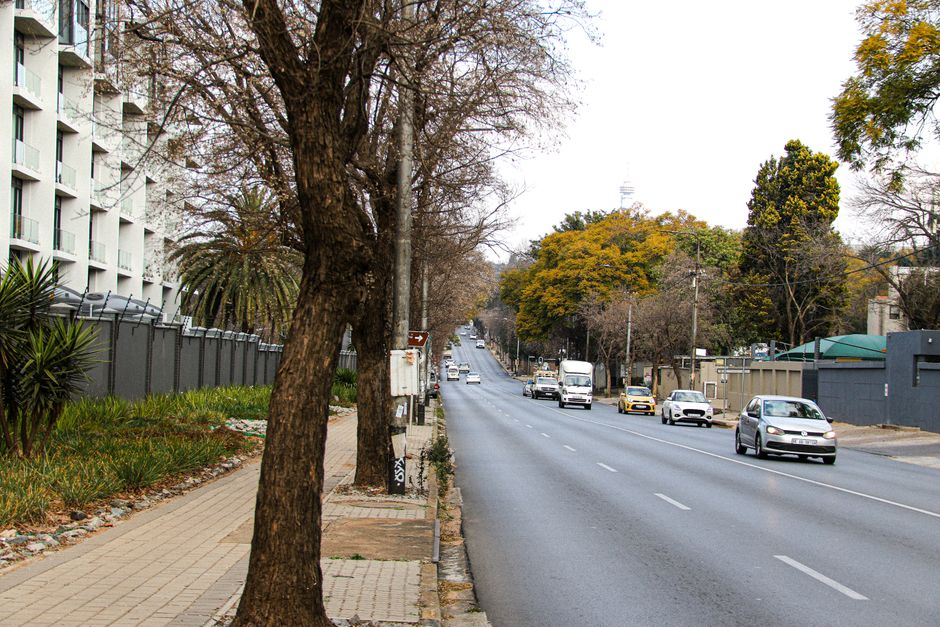
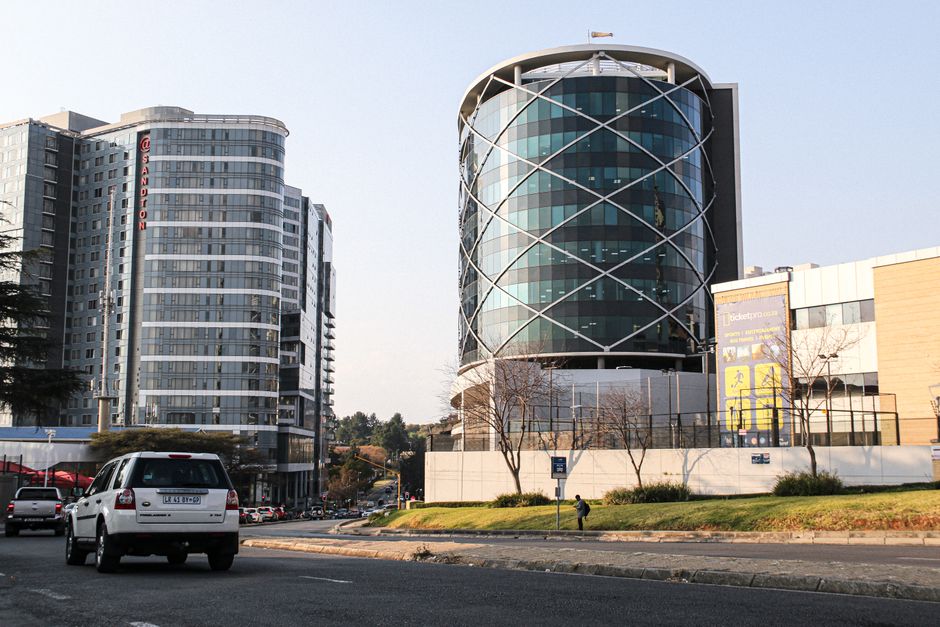
Start with location discipline. Sandton remains the premium play, but yields there are tight; you're paying for stability, not growth. Savvier first-timers are eyeing Fourways and Midrand, where sectional title apartments—increasingly favoured by investors—command rental premiums while keeping maintenance costs predictable. In Melville, urban renewal initiatives have injected fresh energy into the precinct, attracting young professionals prepared to pay competitive rents along 7th Street and beyond. These neighbourhoods consistently deliver 6–8% gross yields, compared to Sandton's 4–5%.
Understand your tenant profile before purchasing. Young corporate workers in the Sandton CBD corridor favour modern, lock-up-and-go sectional titles near the Gautrain or major office parks. Students and creatives gravitate toward Melville's character homes and converted garden cottages. Misalign your property type with demand, and you'll watch vacancy rates climb.
Next, factor in hidden costs ruthlessly. Property management fees typically run 8–10% of monthly rent in Johannesburg. Municipal rates, water, and electricity—especially critical post-load-shedding, when tenants expect backup power—add another 15–20% to your outgoings. Sectional title levies in secure complexes near Fourways can exceed ZAR 2,500 monthly. A property yielding 7% gross can quickly halve to 3.5% net if you're unprepared.
Documentation is non-negotiable. Work with a conveyancer familiar with Johannesburg's rental market; poorly drafted lease agreements have cost landlords thousands in dispute resolution. Organisations like the South African Property Owners Association can provide templates and landlord education—invaluable for newcomers.
Finally, stress-test your numbers. Banks aren't lending freely, and interest rate volatility affects rental demand. Calculate whether your investment survives a 15% tenant vacancy or a 2% rate climb. Properties in established nodes like Melville and Midrand have absorbed past shocks better than outlying areas.
The Johannesburg rental market rewards patience and precision. First-time landlords who choose location carefully, understand tenant economics, and build realistic cost models don't just survive—they thrive. The market isn't forgiving of guesswork, but it richly rewards homework.
This article was compiled by AI from the sources linked above and screened before publishing. See our editorial standards.
How does this story make you feel?
Spread the word
About this article
Published by The Daily Johannesburg
Daily brief
Free, in your inbox before 7am. Weekdays.
More in Property