New Social Housing Projects Transform Johannesburg's Eastern Corridor
Three major affordable housing developments promise to reshape neighbourhoods from Kempton Park to Alexandra, challenging the city's entrenched property inequality.
Three major affordable housing developments promise to reshape neighbourhoods from Kempton Park to Alexandra, challenging the city's entrenched property inequality.

Johannesburg's housing crisis is meeting its match in an ambitious string of new social housing projects that are reshaping the city's eastern and northern corridors. With the average Johannesburg property now sitting at ZAR 1.5 million—well beyond reach for most residents—these initiatives represent a rare policy shift towards genuinely affordable options.
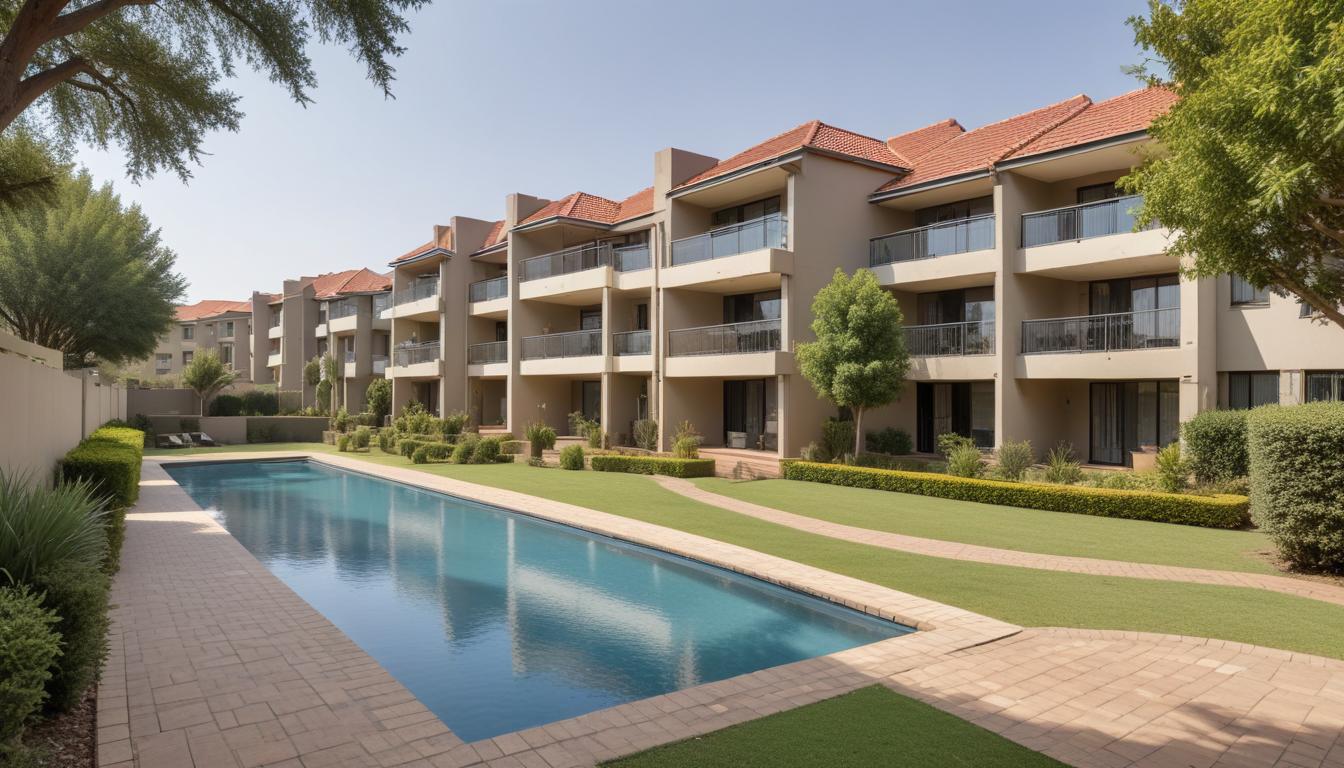
The most significant development sits along the Heidelberg Road corridor between Kempton Park and Edenvale, where a consortium backed by provincial housing authorities has begun construction on 3,200 rental units priced between ZAR 2,800 and ZAR 4,500 monthly. The project, expected to complete by 2029, targets middle-income earners currently squeezed between the extremes of state RDP housing and private market rates.
"What makes this different is the location," explains a spokesperson for the development trust coordinating the project. "These aren't isolated enclaves. Units sit within 15 minutes of major employment nodes—the Tambo precinct, corporate parks in Midrand, and retail corridors in Kempton Park." Public transport integration and proximity to schools and clinics were deliberate planning decisions, steering away from the peripheral displacement that characterised earlier housing schemes.
Closer to the city, Alexandra's long-promised mixed-income development on Fourteenth Avenue is finally breaking ground. The phased project will introduce 1,800 sectional title units—a popular format with Johannesburg investors—alongside rental stock. Early pricing suggests units from ZAR 580,000, significantly below Melville's current average of ZAR 1.2 million just kilometres away. The development includes dedicated retail and office space, acknowledging that sustainable communities require economic opportunity.
A third scheme in Diepsloot North, run through a public-private partnership model, targets 2,500 units with a focus on incremental housing—allowing owners to expand their properties over time, rather than forcing residents into fixed footprints.
The projects represent a philosophical shift in Joburg's approach. Rather than competing with Sandton's premium market or chasing the Fourways and Midrand growth corridor's trajectory, policy makers are finally addressing the gap that leaves teachers, nurses, and administrative professionals unable to afford homes near their workplaces.
Infrastructure capacity remains the central question. Water, electricity, and sanitation will test municipal resolve. Yet if these projects deliver as planned, Johannesburg's property landscape—dominated for decades by inequality and sprawl—could finally begin to rebalance.
This article was compiled by AI from the sources linked above and screened before publishing. See our editorial standards.
How does this story make you feel?
Spread the word
About this article
Published by The Daily Johannesburg
Daily brief
Free, in your inbox before 7am. Weekdays.
More in Property