Johannesburg's Ultra-Luxury Market Surges: What's Really Driving Prestige Property Prices Now
As foreign investment and wealth migration reshape Joburg's elite neighbourhoods, savvy buyers need to understand the forces reshaping the high-end market.
As foreign investment and wealth migration reshape Joburg's elite neighbourhoods, savvy buyers need to understand the forces reshaping the high-end market.
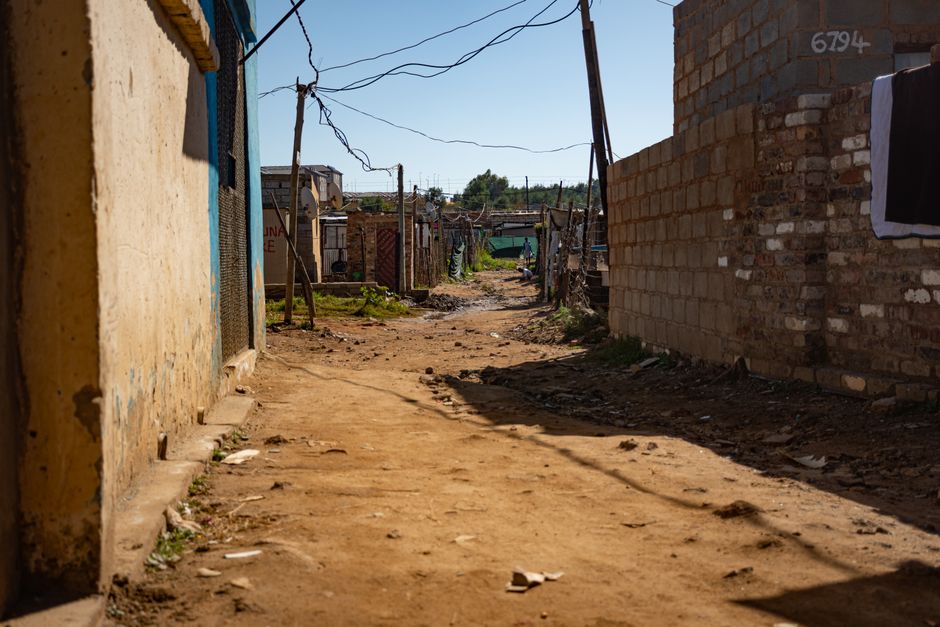
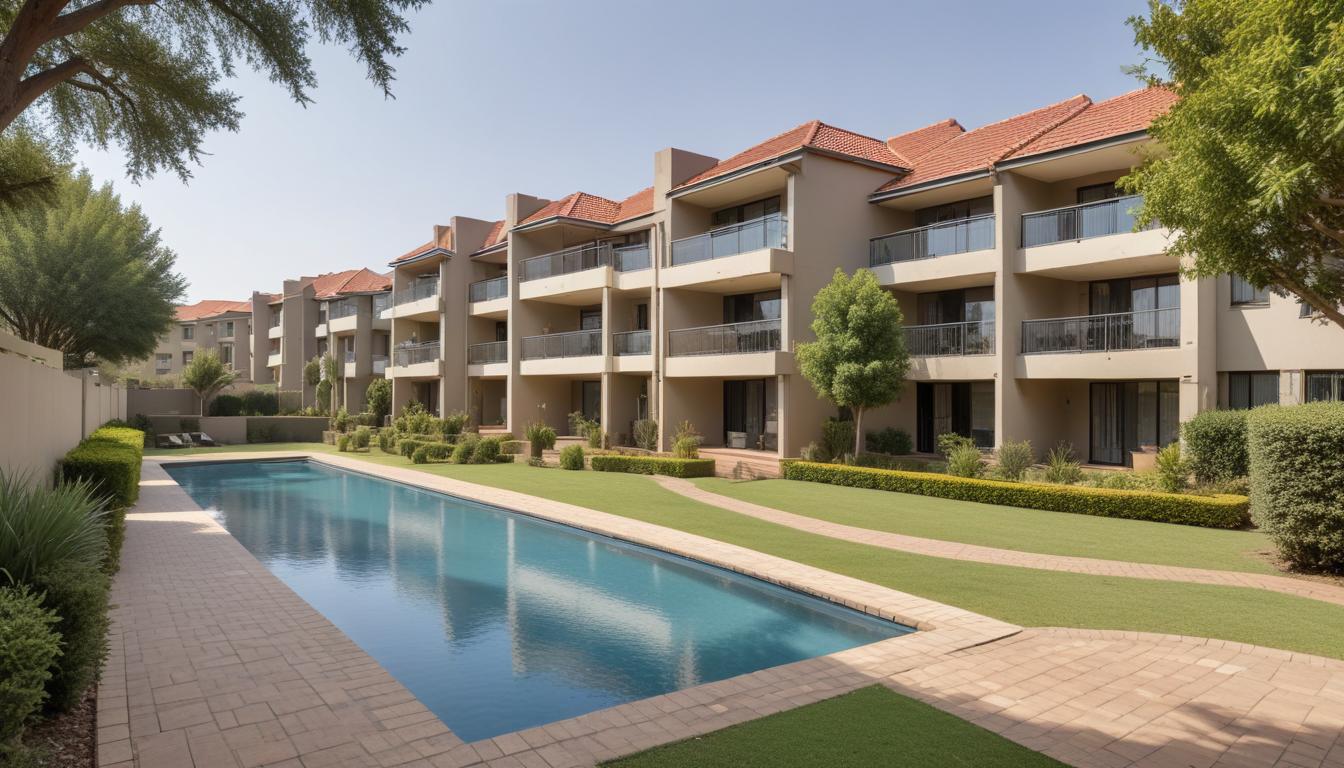
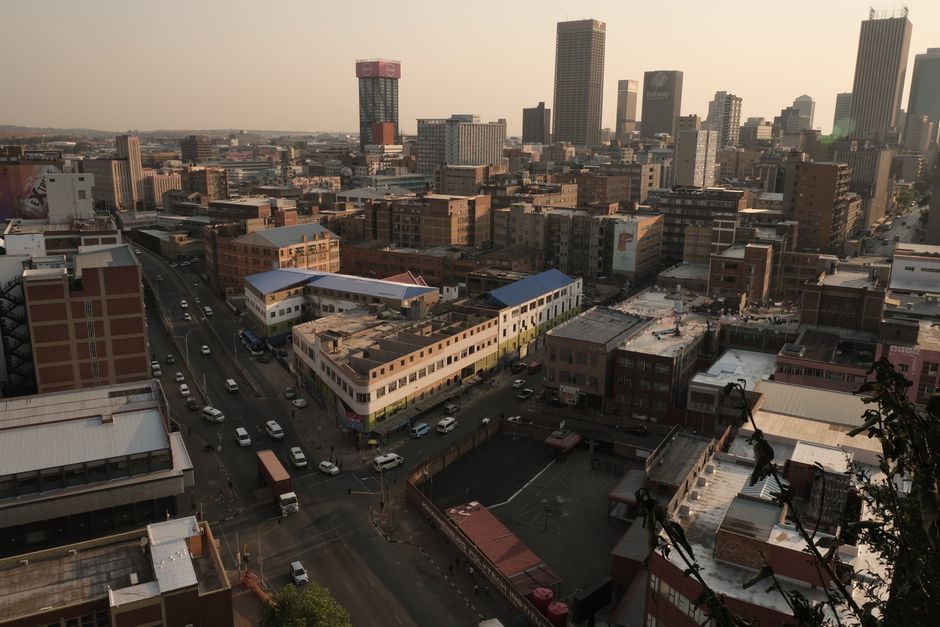
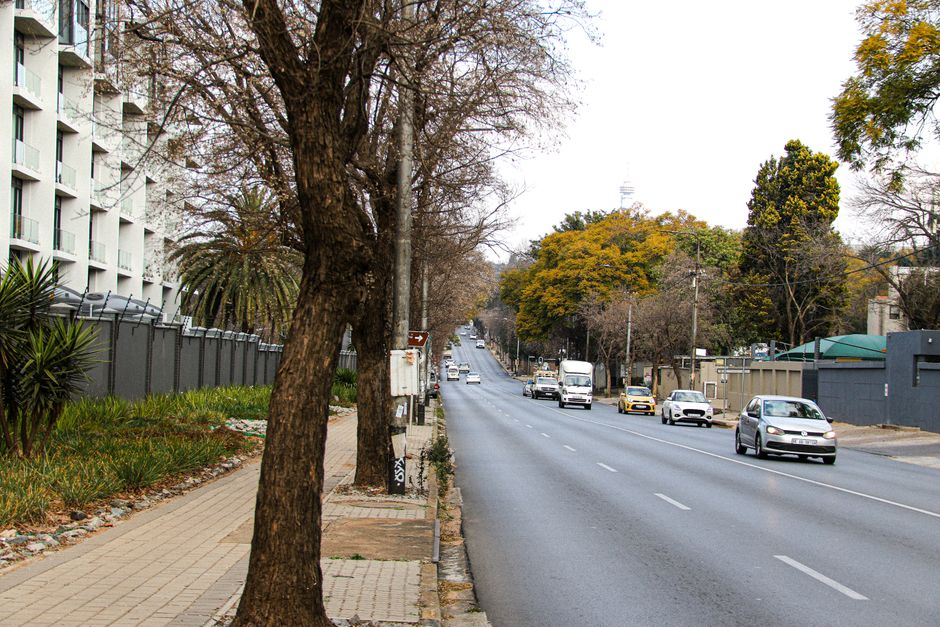
Johannesburg's luxury property market is experiencing unprecedented momentum, with Sandton and surrounding prestige corridors commanding prices that would have seemed unthinkable five years ago. While the broader city hovers around ZAR 1.5 million average, trophy properties in elite enclaves are breaking through ZAR 8–15 million, driven by a perfect storm of global factors and local dynamics.
The primary engine? International wealth migration. Affluent families from unstable economies and high-tax jurisdictions are increasingly viewing Johannesburg as a stable African hub with first-world infrastructure. Estate agents report heightened interest from European and Gulf investors seeking diversification, particularly in security-conscious complexes along the Sandton strip and emerging hotspots like the Fourways-Midrand corridor. The latter has witnessed dramatic capital appreciation—some properties appreciating 12–18% annually—making it an attractive alternative to saturated Sandton.
But it's not just foreign money reshaping the market. Local wealth concentration plays a decisive role. Johannesburg's corporate elite, particularly those in financial services and technology, are trading up aggressively. The revitalisation of Melville has attracted a younger demographic of high-net-worth individuals seeking urban convenience with heritage charm, pushing prices in that neighbourhood to levels that would astound previous generations of residents.
Supply constraints are amplifying demand. Quality developments in genuinely secure, amenity-rich areas remain scarce. Developers are responding with ultra-premium sectional title offerings—a model that dominates investor portfolios in Joburg. These provide security, low maintenance, and easier estate planning, making them appealing to overseas buyers unfamiliar with South African property law.
However, buyers entering this market must navigate several realities. Currency volatility affects foreign investors significantly; the rand's fluctuations directly influence what overseas capital is willing to deploy. Secondly, location precision is critical. Properties even a few kilometres outside primary corridors can experience stagnant or negative growth. Tax implications—including transfer duty, capital gains tax, and potential wealth taxes—require specialist advisory.
Market sentiment remains cautiously optimistic, though economic headwinds and load-shedding persist as concerns. Savvy purchasers are focusing on properties offering genuine scarcity value: land-rich estates, trophy homes with extensive grounds, and developments in emerging precincts like the Midrand stretch near the Gautrain. The window for entry into established neighbourhoods at pre-surge prices is narrowing rapidly.
The luxury market's trajectory suggests consolidation around genuinely excellent properties in verified secure nodes, with peripheral areas facing correction pressure. Buyers should commission thorough due diligence and consult specialist property attorneys—the cost is negligible against the stakes involved.
This article was compiled by AI from the sources linked above and screened before publishing. See our editorial standards.
How does this story make you feel?
Spread the word
About this article
Published by The Daily Johannesburg
Daily brief
Free, in your inbox before 7am. Weekdays.
More in Property