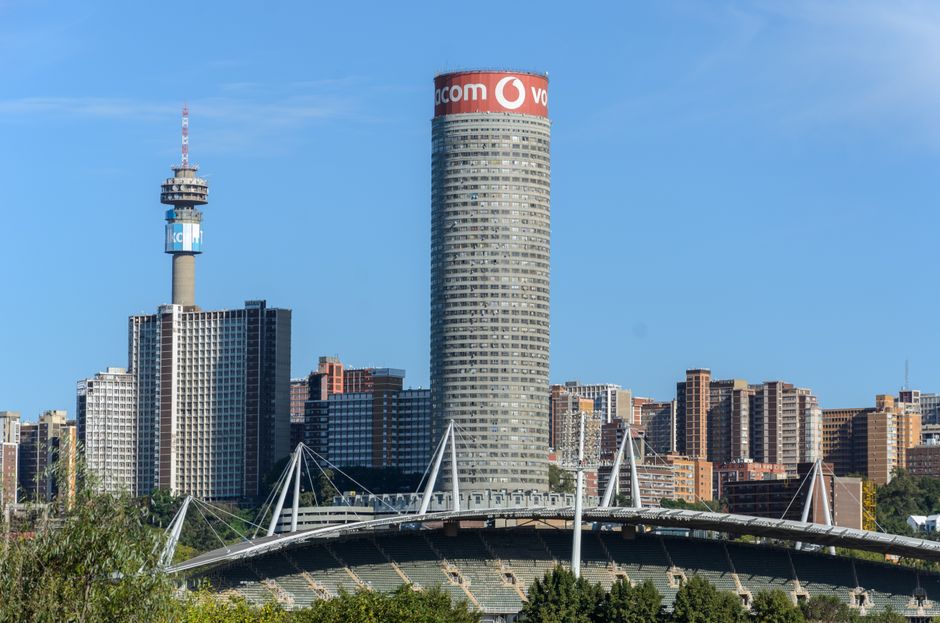
Johannesburg's property market is experiencing an unexpected reset following last month's announcement that the City will tighten density restrictions in previously earmarked mixed-use zones. The policy shift, which limits building heights in areas like Melville and Parkhurst, has already begun rippling through asking prices and investor sentiment across the metropolitan area.
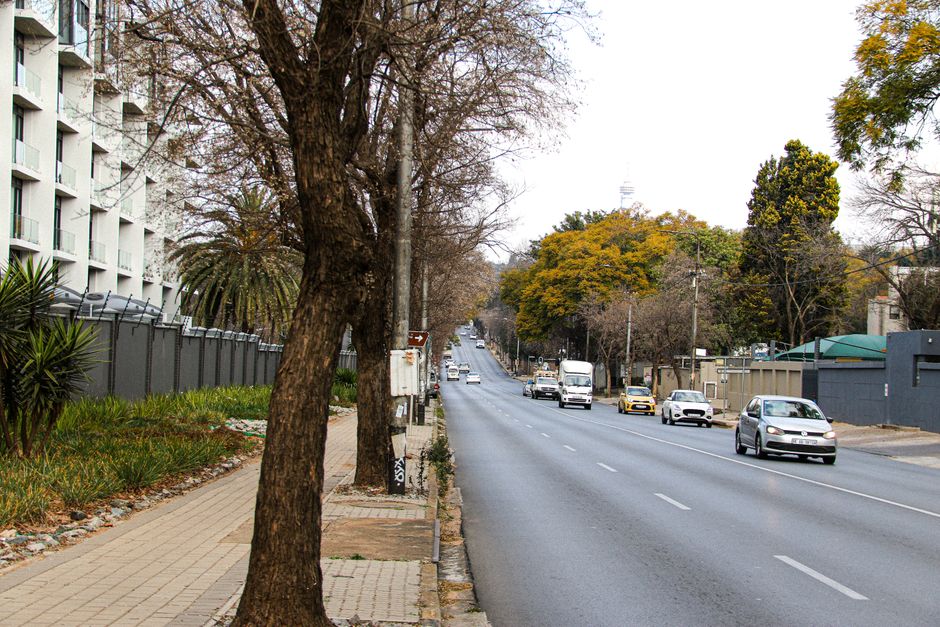
The decision to roll back height allowances from 15 storeys to 8 storeys in the Melville corridor—a neighbourhood that has undergone aggressive urban renewal over the past five years—represents the most significant planning constraint since the 2018 spatial development framework. Property agents report a 6–8% correction in sectional title prices along 4th Avenue and surrounding streets, where developers had priced units assuming higher density approvals.
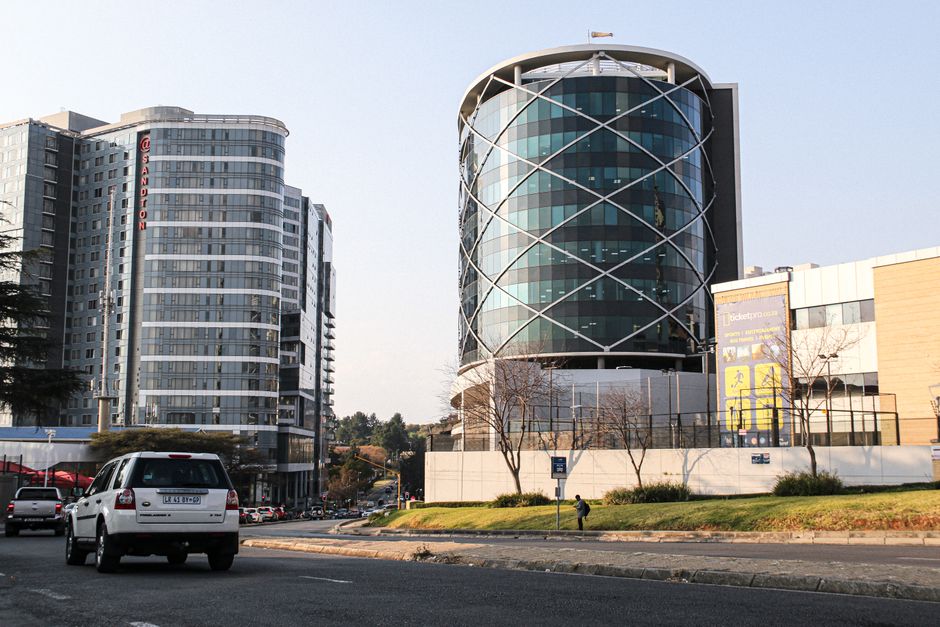
"We're seeing genuine affordability movement for the first time in three years," explains a leading Johannesburg estate agent specialising in inner-city stock. Average prices in Melville have softened to around ZAR 1.8M per unit, down from the ZAR 2.1M peak recorded in late 2025. By contrast, traditional high-value areas like Sandton have remained largely insulated, with premium properties maintaining their ZAR 3.5M+ floor.
The policy change has inadvertently benefited first-time buyers and mid-market investors, who now face lower entry points in traditionally unaffordable urban precincts. Fourways and Midrand, meanwhile, are experiencing renewed developer activity as construction companies redirect capital toward areas where zoning remains supportive of multi-unit development. Municipal approvals for residential projects in these corridors have accelerated, with applications processed 40% faster than inner-city submissions.
But the reversal has created winners and losers. Developers caught mid-project in Melville and Parkhurst face margin compression, while property owners who purchased at peak prices confront paper losses. The Johannesburg Property Owners' Association has called for a transition period, though the City appears committed to stricter planning discipline.
What's striking is the market's speed in repricing risk. Rather than a gradual adjustment, buyer behaviour shifted within weeks of the announcement, signalling that policy certainty—even restrictive policy—matters more to investors than permissive zoning that carries uncertainty.
As Johannesburg grapples with infrastructure constraints and service delivery pressures, this experiment in density control will offer a cautionary tale for other South African metros wrestling with the tension between affordability and urban growth. The coming months will reveal whether lower density actually produces lower prices, or simply constrains supply in a city where both remain stubbornly out of reach for most wage earners.
This article was compiled by AI from the sources linked above and screened before publishing. See our editorial standards.