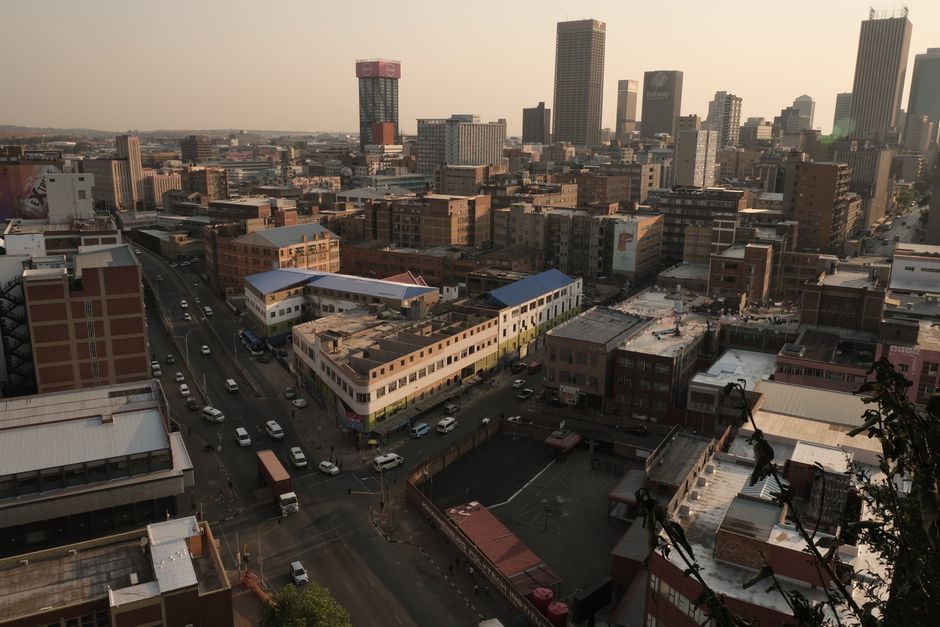
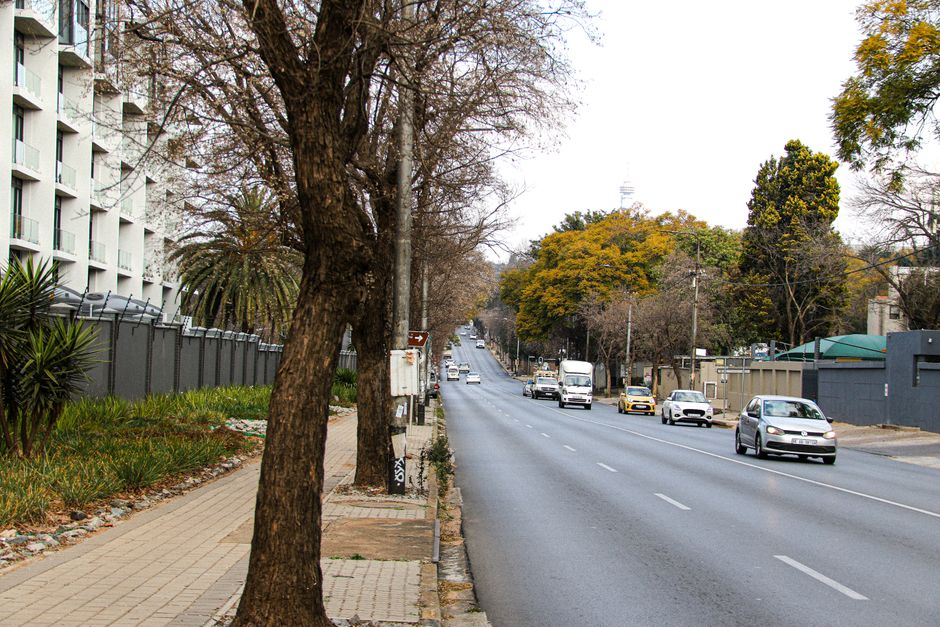
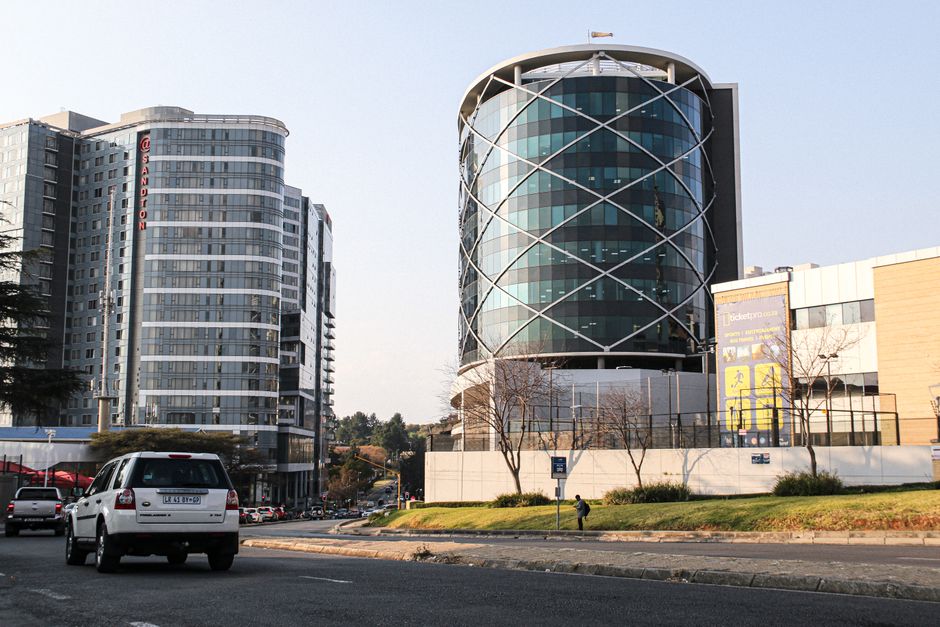
Sandton's New Wave: How Multi-Billion Rand Developments Are Reshaping the City's Prestige Market
From Sloane Street to the Bryanston corridor, luxury projects are redefining what it means to be a trophy asset in Johannesburg.
From Sloane Street to the Bryanston corridor, luxury projects are redefining what it means to be a trophy asset in Johannesburg.
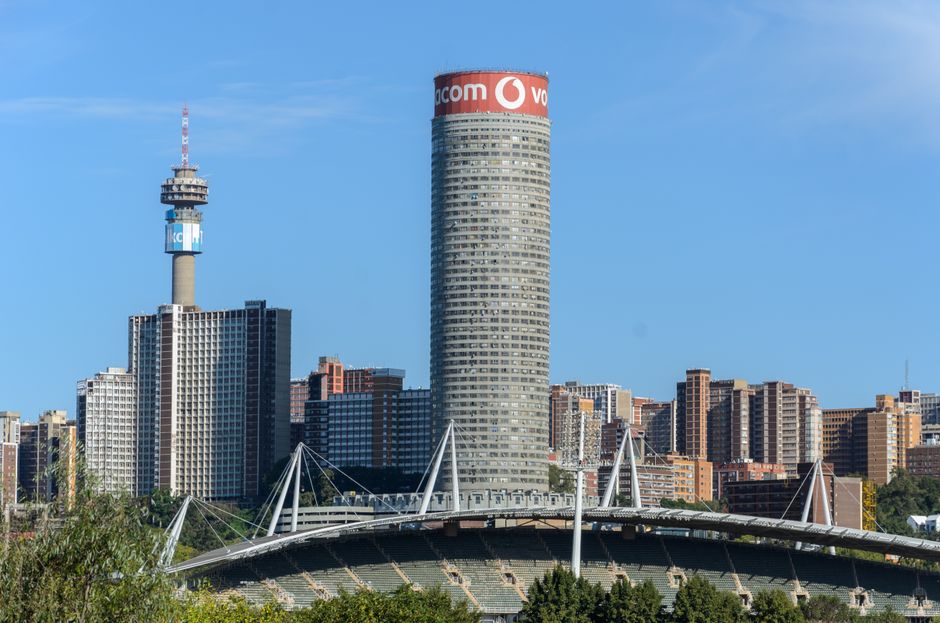
Johannesburg's luxury property market is experiencing a quiet revolution. While the broader residential sector grapples with modest growth—the national average hovering around ZAR 1.5 million—Sandton and its surrounding precincts are witnessing a surge in architectural ambition that signals a fundamental shift in how wealth displays itself in the city.
The catalyst? A wave of mixed-use and residential developments that are raising the bar for what constitutes a prestige property. In Sandton proper, developers are targeting plots along the business district's periphery, designing trophy residences that blend corporate proximity with the exclusivity once reserved for Bryanston and Inanda. These new projects, valued between ZAR 25 million and ZAR 80 million per unit, represent a departure from the traditional standalone estate model that has dominated Johannesburg's ultra-high-net-worth landscape for decades.
What makes these developments significant isn't merely their price tags. Rather, it's their strategic density and urban integration. Properties along the Sandton CBD's fringes—particularly around the Johannesburg Stock Exchange precinct and spreading northward toward Fourways—are attracting investors previously committed to traditional estates in Bryanston and Dainfern. The appeal is quantifiable: reduced commute times, elevated accessibility to business hubs, and curated communal amenities that rival international standards.
Fourways and Midrand, long positioned as growth corridors, are evolving into destinations for secondary residences and investment portfolios. Sectional title properties—favoured by savvy investors seeking lower maintenance burdens—are commanding premiums previously unthinkable outside the Sandton envelope. These developments often feature concierge services, private cinemas, and wine cellars that blur boundaries between residential and hospitality sectors.
The implications for established prestige areas are nuanced. Melville's urban renewal narrative has attracted younger high-net-worth individuals seeking aesthetic authenticity over gated homogeneity, diversifying the luxury market's demographic profile. Meanwhile, traditional strongholds in Inanda and Bryanston are responding by enhancing estate amenities rather than competing on novelty alone.
Market insiders note that these developments are typically presold to 60-70% capacity before construction commences, suggesting robust demand among both local and diaspora investors. The trend underscores a maturation of Johannesburg's luxury market: buyers increasingly evaluate neighbourhood trajectory, urban planning, and long-term value retention alongside the intrinsic appeal of architectural prestige.
For property professionals and investors, the message is clear. The question is no longer whether Johannesburg can sustain a luxury market. It's whether traditional prestige neighbourhoods can innovate quickly enough to remain relevant as new developments rewrite the city's metropolitan hierarchy.
This article was compiled by AI from the sources linked above and screened before publishing. See our editorial standards.
How does this story make you feel?
Spread the word
About this article
Published by The Daily Johannesburg
Daily brief
Free, in your inbox before 7am. Weekdays.
More in Property