First-time buyers under pressure: what's really driving Joburg prices right now
With entry-level properties climbing past ZAR 1.5 million and grants frozen, first-time buyers need a clearer strategy than ever before.
With entry-level properties climbing past ZAR 1.5 million and grants frozen, first-time buyers need a clearer strategy than ever before.
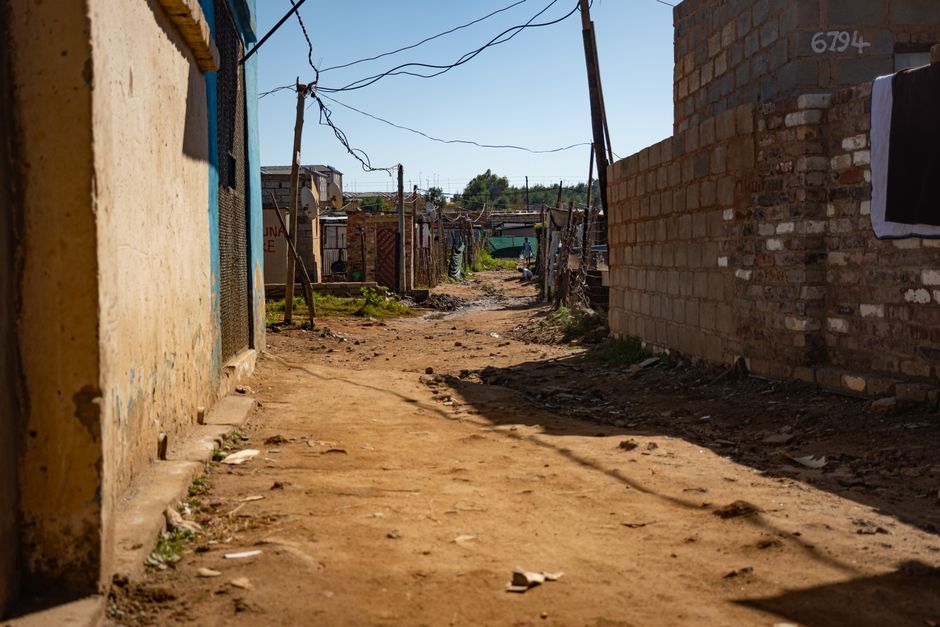
The landscape for first-time buyers in Johannesburg has shifted dramatically over the past two years. While the national average hovers around ZAR 1.5 million, those hunting for their first property in accessible areas like Midrand and Fourways are confronting a harsh reality: prices have outpaced wage growth, and the safety net of government grants has become increasingly frayed.
The National Housing Finance Corporation (NHFC) and the Department of Human Settlements continue to offer grants—nominally up to ZAR 87,000 for qualifying buyers—but processing times now stretch beyond eighteen months. Meanwhile, property prices in emerging growth corridors have appreciated steadily. A modest two-bedroom sectional title in Midrand that fetched ZAR 950,000 three years ago now commands ZAR 1.3 million. Similar pressure exists in Fourways, where developers have shifted focus to higher-income bracket townhouses rather than entry-level units.
Three factors are reshaping the market right now. First, construction costs have remained elevated, forcing developers to price new stock higher. Second, investor appetite for sectional title units as rental assets has artificially tightened supply at the lower end—a trend that's accelerated demand from owner-occupiers. Third, interest rate expectations have finally stabilized, encouraging buyers who sat on the sidelines during the aggressive hiking cycle to move decisively.
What should first-time buyers prioritize now? Experts suggest focusing on areas undergoing genuine urban renewal—Melville's ongoing rejuvenation remains compelling for younger buyers willing to engage with character properties—rather than betting on outer-lying zones where infrastructure lags. The sectional title market, popular with investor syndicates, still offers lower entry points and clear bond approval processes, though buyers should scrutinize body corporate levies carefully.
Equally important: pre-approval has become essential. Banks are now more selective about lending multiples, with stress-testing at 9–10% interest rates becoming standard. A buyer earning ZAR 40,000 monthly might have secured a ZAR 1.2 million bond three years ago; today, expect closer to ZAR 950,000. This tightening directly explains why cash buyers and those with parental assistance are gaining ground.
The grant system, while theoretically accessible, functions poorly as a primary funding mechanism. Serious first-time buyers should view it as a bonus, not a plan. Instead, prioritize saving a 10–15% deposit, locking in pre-approval, and being prepared to move fast in submarkets like Midrand and Fourways where quality stock still changes hands within weeks.
The first-home market isn't broken—but buyers need sharper tools and clearer expectations than the headlines suggest.
This article was compiled by AI from the sources linked above and screened before publishing. See our editorial standards.
How does this story make you feel?
Spread the word
About this article
Published by The Daily Johannesburg
Daily brief
Free, in your inbox before 7am. Weekdays.
More in Property