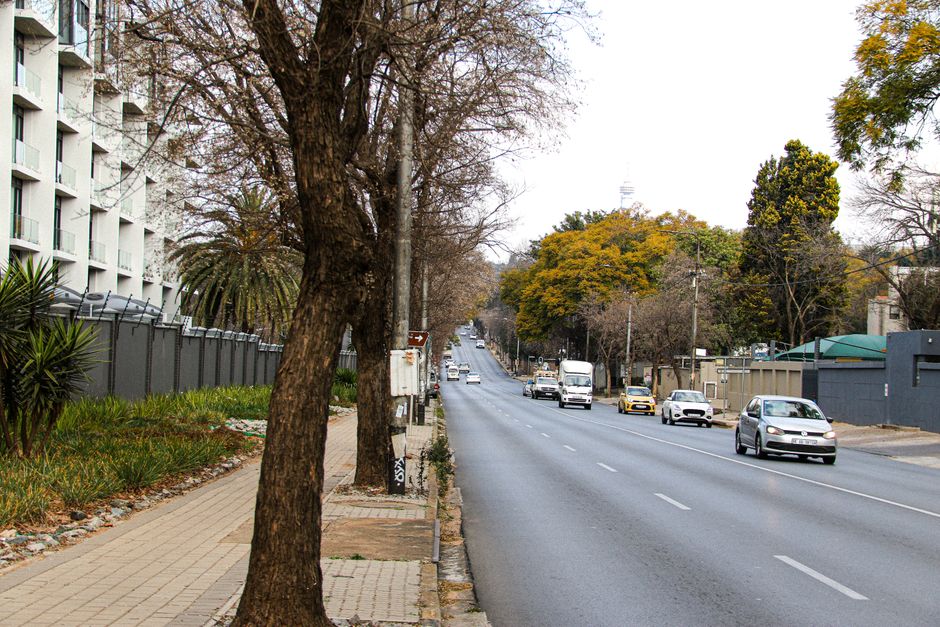
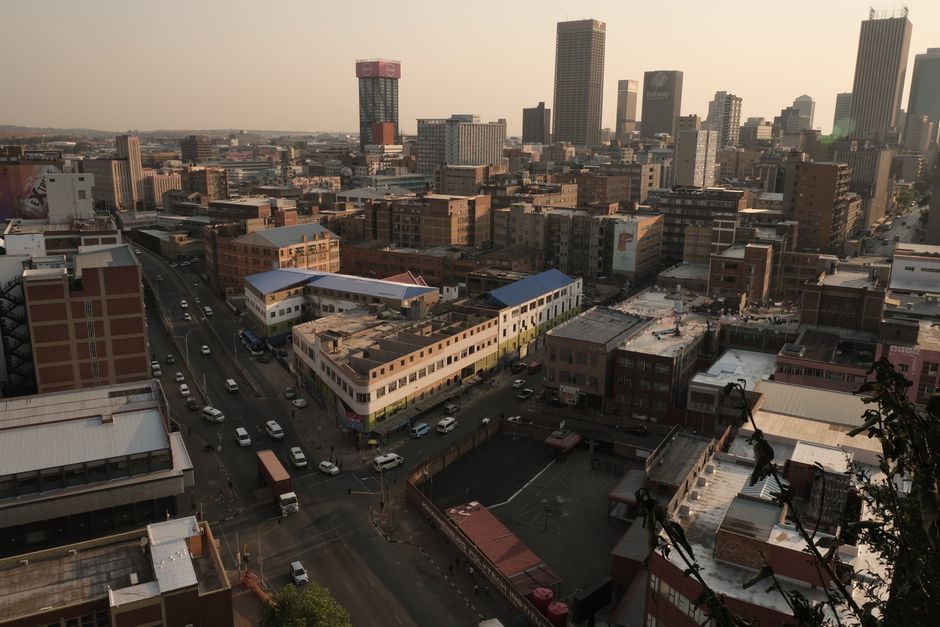
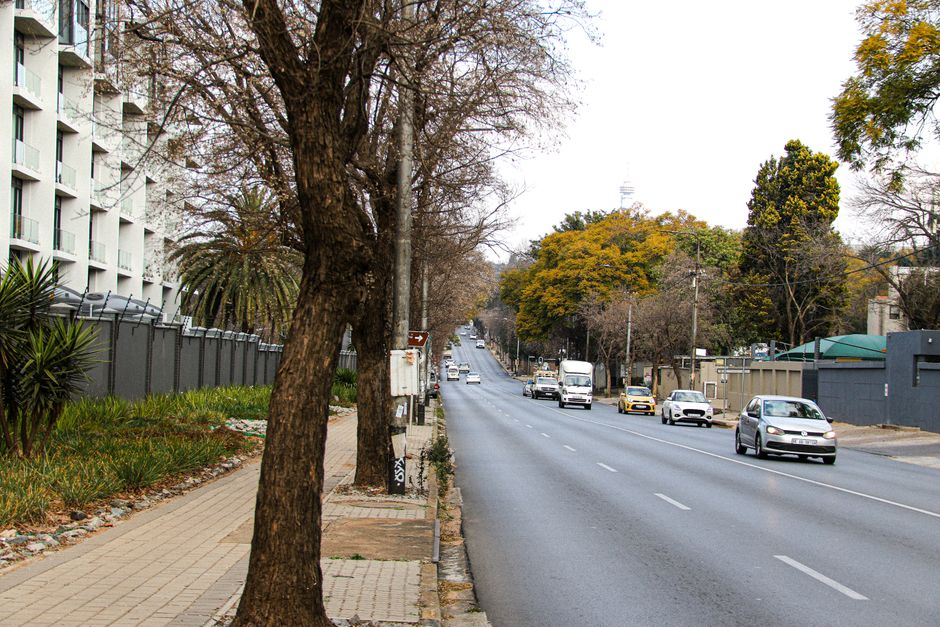
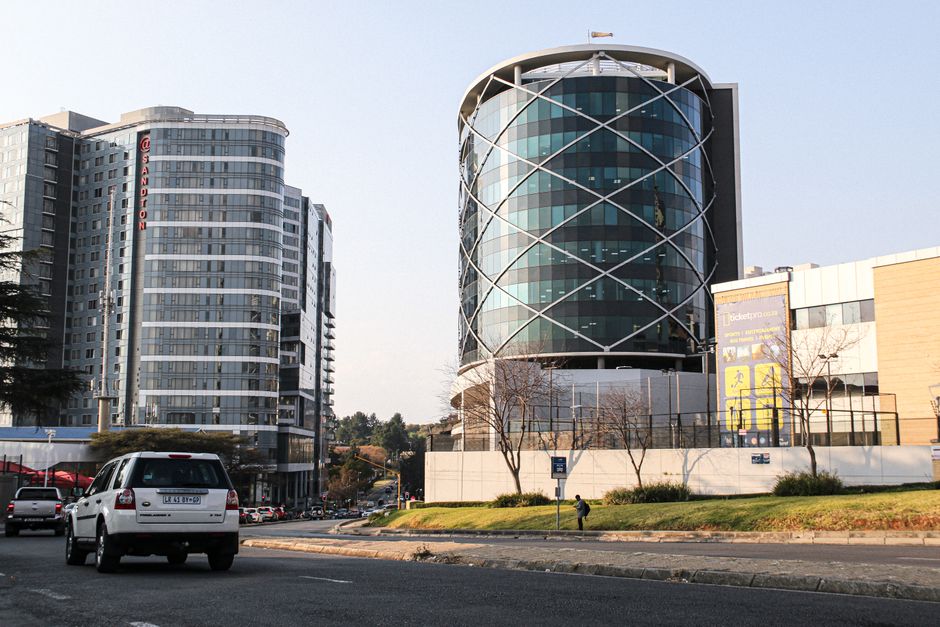
Parkhurst is having a moment. Once overshadowed by the glittering premium addresses of Sandton and the rapid gentrification of Melville, this leafy neighbourhood north of the M1 is quietly establishing itself as the city's most accessible entry point for first-time buyers—and savvy investors are taking notice.
Property agents report a marked shift in market dynamics over the past 18 months. While Johannesburg's broader average hovers near ZAR 1.5 million, Parkhurst's median sits comfortably at ZAR 1.2 million for freestanding homes, with sectional title units available from ZAR 780,000. That ZAR 300,000 buffer matters enormously when combined with the recently expanded National Housing Finance Facility (NHFF) grants for first-time buyers earning between ZAR 150,000 and ZAR 500,000 annually.
The neighbourhood's infrastructure backbone supports this momentum. Close proximity to the Gauteng Department of Roads and Transport hub on Grosvenor Road, coupled with emerging hospitality nodes around 4th Avenue and the renovated Parkhurst Shopping Centre, has attracted young professionals and growing families in unprecedented numbers. The M1 corridor delivers commuters to both the CBD and the northern office parks within 20 minutes, making mortgage servicing more realistic for entry-level earners.
More significantly, Parkhurst's sectional title stock—historically unpopular outside investment circles—is gaining traction with owner-occupiers. First-time buyers now recognise the sector's predictable costs and maintenance-free appeal. Estate agents report a 34% uptick in sectional title enquiries year-on-year, particularly in complexes along Bompas and Grosvenor roads.
Government-backed initiatives are accelerating the momentum. The Khaya Lend mortgage guarantee scheme, which covers 80% of lending risk for qualifying borrowers, has partnered with local credit unions and banks to fast-track approvals in designated affordable nodes. Parkhurst's postal code now features on priority lists for the Residential Property Rebate Grant, offering up to ZAR 87,000 in subsidy for buyers meeting income thresholds.
Property analysts caution that hotspot status brings inflation risk. Entry-level prices have climbed 11% in 12 months—outpacing broader market growth. Still, compared to Fourways' northern sprawl or Midrand's congestion, Parkhurst offers density, walkability, and established civic infrastructure that justify its upward trajectory.
For first-time buyers, the calculus is straightforward: Parkhurst delivers location, affordability, and a growing infrastructure ecosystem. For investors, it signals early-stage capital appreciation in a neighbourhood poised for consolidation rather than speculation.
This article was compiled by AI from the sources linked above and screened before publishing. See our editorial standards.