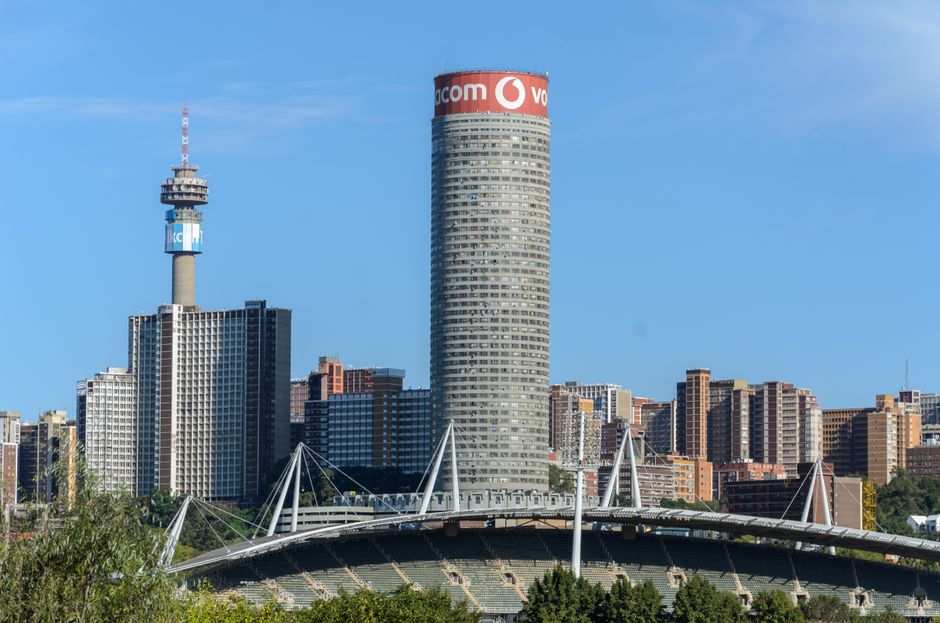
Johannesburg's property landscape has shifted dramatically for first-time buyers. While the city's median price hovers around ZAR 1.5M, a quieter revolution is unfolding in affordable housing schemes and social housing initiatives that are opening doors for those priced out of traditional markets.
The National Housing Finance Facility (NHFF) and Johannesburg's own Housing Demand Centre have been instrumental in unlocking opportunities. Government-backed projects targeting households earning between ZAR 180,000 and ZAR 800,000 annually are becoming increasingly visible across the Fourways-Midrand corridor and areas like Mamelodi adjacent to Johannesburg's municipal boundaries. These aren't the struggling developments of a decade ago; many now feature sectional title units with genuine investment potential.
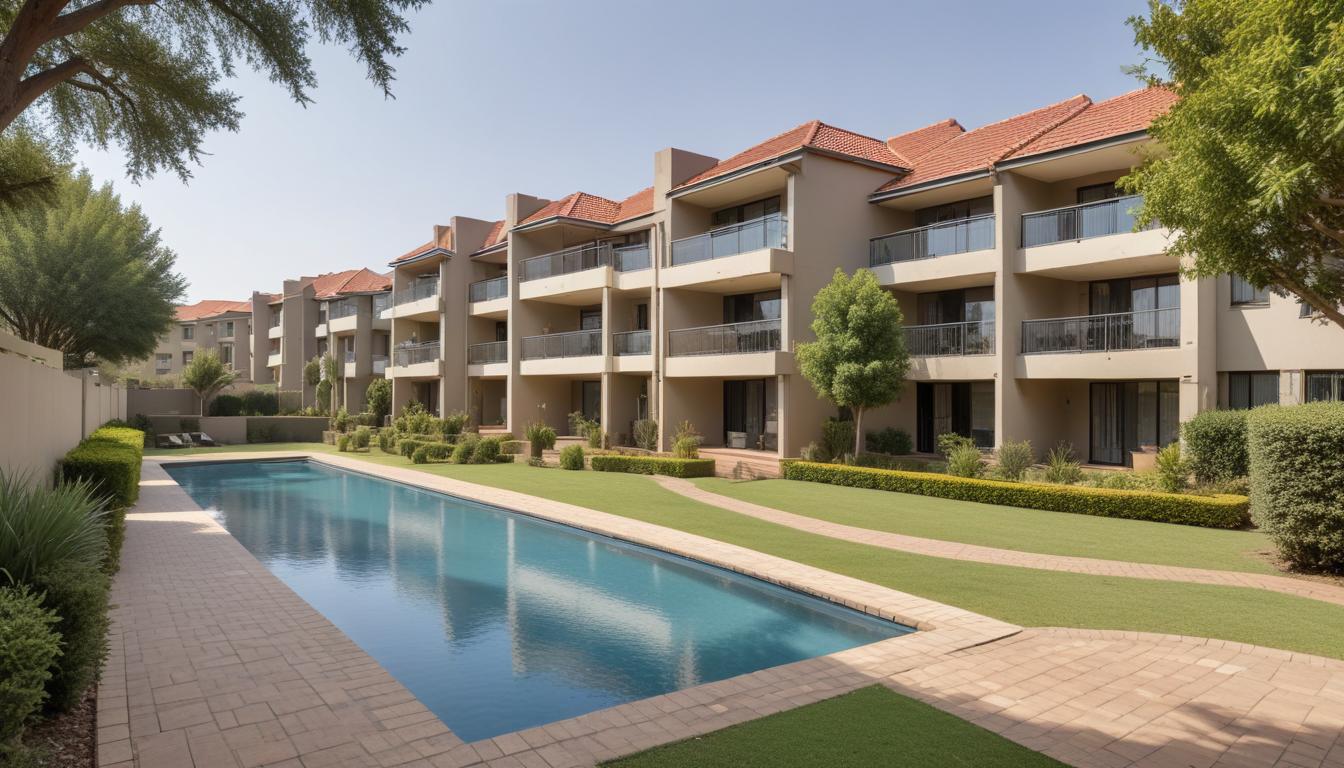
For buyers with limited capital, sectional title has become a game-changer. Unlike traditional freehold homes requiring larger deposits and potentially problematic municipal histories, well-managed complexes in up-and-coming zones like the Melville urban renewal precinct offer lower entry points—often ZAR 650,000 to ZAR 950,000—with transparent body corporate records and institutional backing.
Understanding government assistance is crucial. The First-Time Homebuyer Programme, administered through accredited financial institutions, can subsidise deposits for qualifying buyers. The Gauteng Department of Human Settlements maintains an active database of approved developments; checking their portal before approaching banks separately can save months of groundwork.
Location strategy matters more than ever. While Sandton remains aspirational for most first-timers, the real momentum is in identified nodes: Midrand's office-to-residential conversion areas, Fourways' ongoing densification, and Melville's heritage-meets-modern appeal. These corridors offer transport proximity, amenities and moderate growth trajectory—exactly what institutional investors (and therefore lenders) now favour.
New buyers should engage accredited property agents specialising in social housing. Organisations like the National Association of Estate Agents (NAEA) maintain lists of verified agents who understand subsidy mechanics and municipal requirements. This knowledge is invaluable when navigating transfer duty exemptions and unfamiliar paperwork.
The critical misstep: rushing into unregistered schemes. Several informal developments around Alexandra and Diepsloot, while marketed aggressively to first-timers, lack proper title deeds. Always verify property through the Deeds Office in Pretoria or request your conveyancer check before committing funds.
Johannesburg's affordable housing moment is genuine but requires patience and informed navigation. For those willing to look beyond Sandton's gloss, the opportunity to own—not merely dream of ownership—is closer than it's been in years.
This article was compiled by AI from the sources linked above and screened before publishing. See our editorial standards.