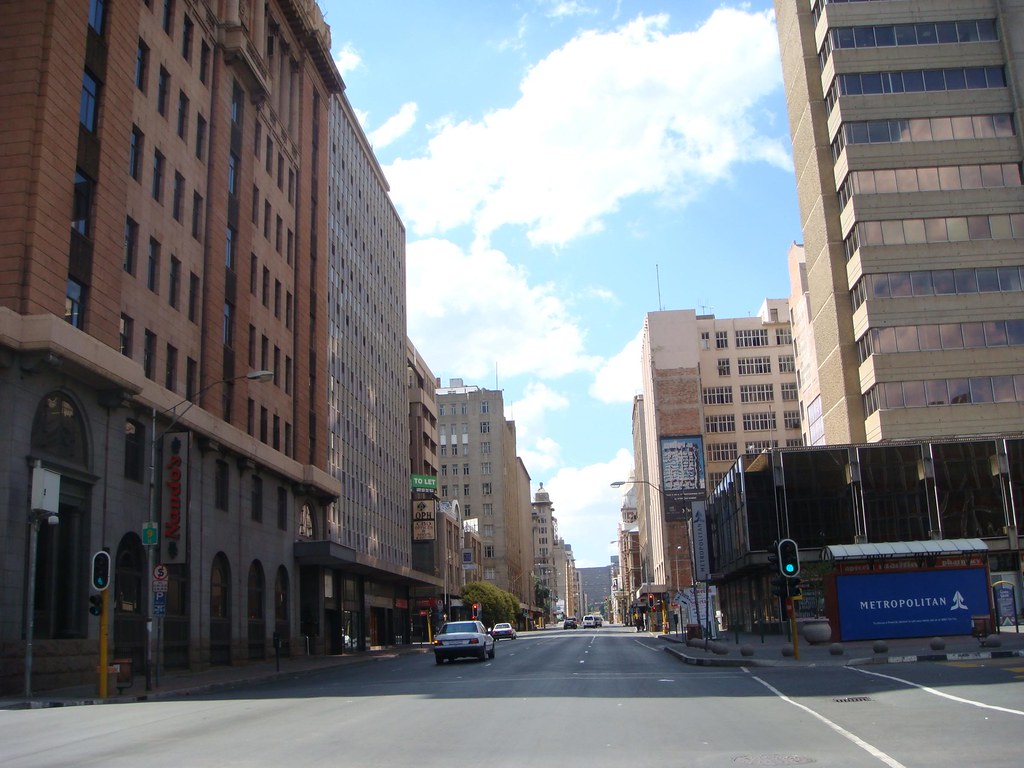
Johannesburg's municipal government has launched a focused infrastructure and jobs programme aimed at tackling the city's most visible service failures while generating employment over the next 18 months. The initiative centres on three priority areas: water pipe repairs, road maintenance and electricity distribution network upgrades across the city's 11 regions.
The programme comes at a time when Johannesburg residents face mounting frustration with ageing infrastructure. Water losses due to burst pipes remain significant, particularly in older suburbs like Hillbrow, Berea and Yeoville where main supply lines date from the 1960s and 1970s. Road surfaces across central areas and townships deteriorate faster than the city can repair them, forcing commuters to navigate potholes on daily routes. Electricity outages, while reduced from 2023-24 levels, still disrupt small businesses and households in unpredictable patterns. The municipality estimates these three service categories account for roughly 40 percent of resident complaints filed through its call centre in 2025.
The infrastructure plan sets a target of 8,500 temporary jobs in construction, pipe-laying, electrical work and road maintenance. Local contractors registered with the city's supplier database are expected to secure the bulk of contracts, with a requirement that 60 percent of worker positions go to Johannesburg residents. The programme allocates R2.8 billion from the municipal budget over 18 months, drawn from the city's capital expenditure allocation. For perspective, this represents 35 percent of Johannesburg's annual infrastructure spending and marks the largest single commitment to visible service repair since 2019.
What This Means for Daily Life
In practical terms, the water component targets 400 kilometres of pipe replacement and repair work, prioritising zones where leakage exceeds 35 percent of distributed supply. Areas like Soweto, Alexandra and parts of the East Rand are scheduled for phased work starting August 2026. The roads initiative focuses on 850 kilometres of pothole filling and surface resealing, with work crews expected to operate in rotation across the city's 11 administrative regions. Electricity work includes replacing corroded underground cables in the CBD and inner-city zones while reinforcing distribution lines in south-eastern suburbs where load-shedding has been most frequent.
The city's mayoral office says the programme will reduce average water-to-property response times from the current 14 days to 5 days. Road repairs are projected to address the top 200 pothole-prone routes within 12 months. For electricity, the municipality expects to reduce unplanned outages in participating zones by 25 to 40 percent once work concludes. These claims remain subject to project execution, and delays have marked similar programmes in previous years.
Timeline and Next Steps
Worker recruitment begins in late July through municipal labour centres in each region. Tender documents for construction and service contracts were released on 8 July, with bid closing on 31 July. The city has committed to announcing winning contractors by 22 August. Physical work on water and roads infrastructure is expected to commence by mid-September 2026, with electricity network upgrades starting by November.
Community liaison meetings are scheduled for the second and fourth Thursdays of each month in all 11 regions, where residents can report service concerns and track progress. The municipality will publish monthly progress reports on its website and through ward councillor channels. Funding depends on continued budget allocation and remains subject to the city's cash flow position, which has constrained spending in past years.