Johannesburg's New Housing and Transport Policies Aim to Ease Urban Pressure
Local residents can expect targeted improvements in affordable housing supply and public transport services following the city's latest policy rollout.
Local residents can expect targeted improvements in affordable housing supply and public transport services following the city's latest policy rollout.
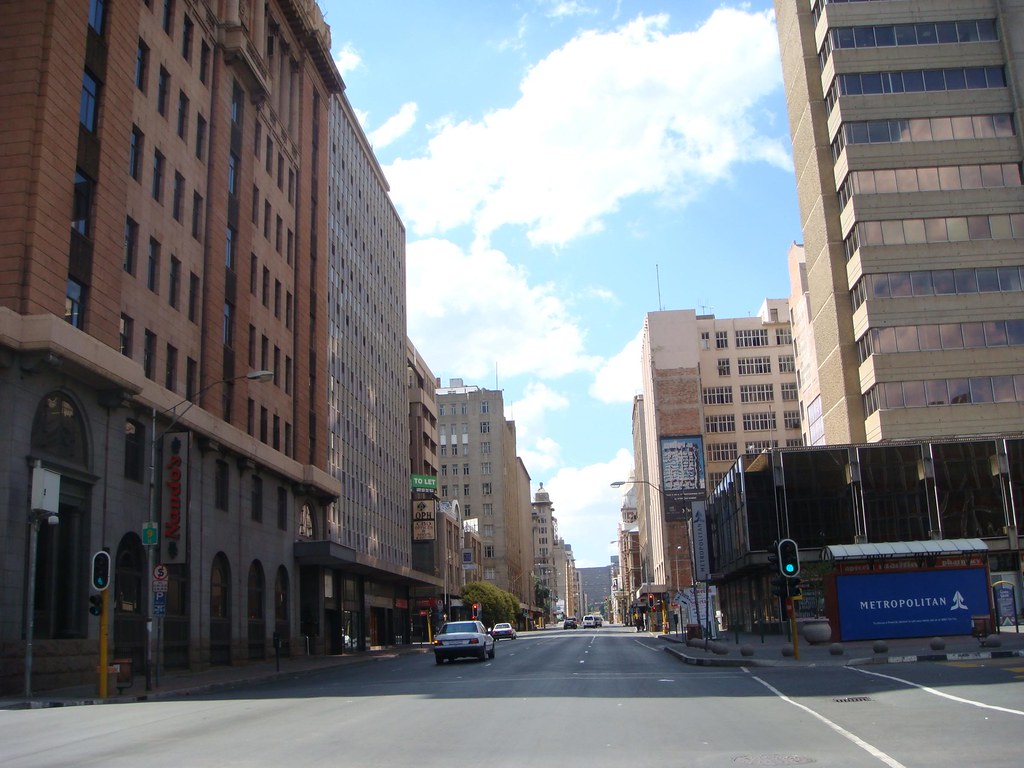
Johannesburg's mayoral office has introduced new housing and transport policies designed to tackle urban congestion and housing shortages affecting thousands across the city. The policies focus on expanding affordable housing developments and increasing the frequency and reach of public transport routes, with the goal of improving daily commutes and living conditions for low- and middle-income residents.
These measures come amid ongoing challenges related to rapid urbanisation, rising housing costs, and traffic congestion in Johannesburg. The city government highlights that addressing these issues is critical as more residents rely on limited public transit options and struggle to find adequate, affordable homes near economic centres. Policy analysts emphasise that the timing coincides with a wider national focus on improving urban infrastructure and meeting the United Nations Sustainable Development Goals related to cities and communities.
Under the new housing policy, the city plans to approve 5,000 new affordable housing units within the next two years across Soweto, Alexandra, and other high-density areas. For many residents, this is expected to reduce commuting distances significantly by locating homes closer to industrial and commercial zones, potentially lowering daily travel costs and times. In tandem, transport authorities will launch additional bus and minibus taxi routes with an emphasis on underserved suburbs in northern and eastern Johannesburg.
Local urban development experts note that these policies could enhance access to employment opportunities for residents who rely heavily on public transportation. The city’s transport plan projects a 15 per cent increase in service frequency on key corridors by December 2027. For example, the R29 route between central Johannesburg and Alexandra township will see 20% more peak-hour buses, aiming to reduce wait times by up to 10 minutes during the busiest periods.
The 2026-27 municipal budget allocates R1.2 billion for housing development subsidies, primarily directed at partnerships with private developers and non-profit housing organisations. Additionally, the public transport system receives R350 million to upgrade vehicle fleets and improve infrastructure at bus stops and taxi ranks. The budget documents specify that these funds are expected to benefit over 50,000 residents through improved housing and transit accessibility.
City officials state that the phased rollout will begin with pilot programs in Soweto from August 2026, followed by expansions to Alexandra by early 2027. Local community organisations have been invited to participate in planning consultations to ensure that improvements meet residents’ needs. Policy analysts highlight the importance of ongoing monitoring to assess how well the policies address current service gaps and housing demand.
Residents should anticipate incremental changes to housing availability and transport services over the next 18 months. Authorities say the combined approach aims to make Johannesburg a more connected and affordable city, especially for those in lower-income brackets who face daily challenges accessing jobs and essential services.
How does this story make you feel?
Spread the word
About this article
Published by The Daily Johannesburg
Daily brief
Free, in your inbox before 7am. Weekdays.
More in policy
