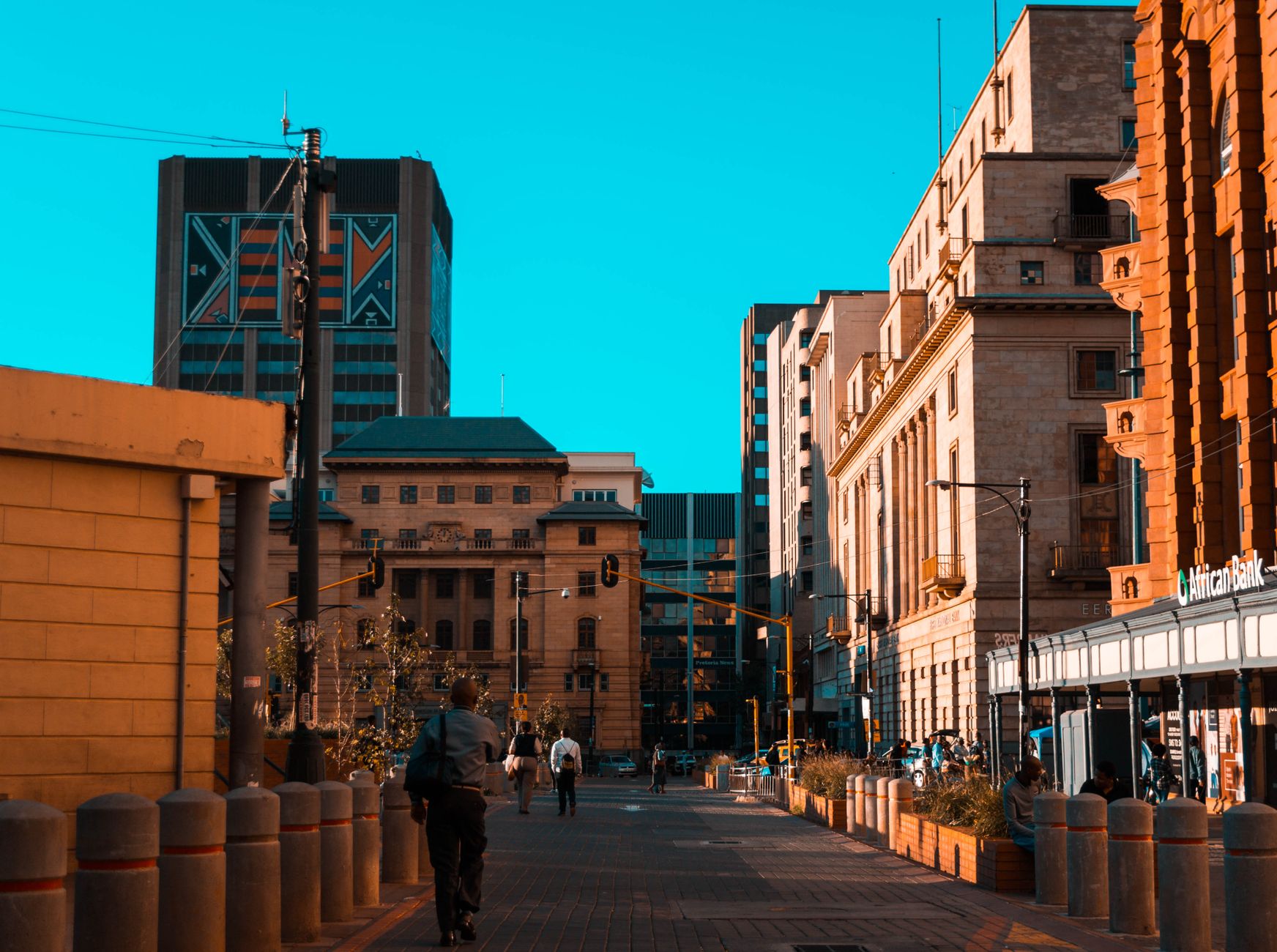
Johannesburg Power Brokers Reveal Deep Fractures Over Governance Crisis
As service delivery failures plague the metro, insiders reveal deep fractures in municipal leadership and competing visions for the city's future.
As service delivery failures plague the metro, insiders reveal deep fractures in municipal leadership and competing visions for the city's future.
Listen to this article · 3:44
Inside the Braamfontein offices where Johannesburg's governance decisions are made, a narrative of institutional breakdown is hardening into consensus among senior officials and political analysts tracking the city's trajectory.
The Metropolitan Municipality's inability to maintain basic infrastructure—evidenced by persistent water outages in Sandton, Fourways and the northern suburbs, coupled with electricity load-shedding that extends beyond Eskom's own constraints—has prompted sharp criticism from business chambers, civic groups and administration insiders alike.
A senior official within the City's infrastructure division, speaking on condition of anonymity due to institutional protocols, characterised the situation as symptomatic of deeper resource allocation failures. "The technical capacity exists," the official noted, "but political interference in procurement processes and budget prioritisation has created gridlock." This assessment aligns with warnings issued by the Johannesburg Chamber of Commerce and Industry, which flagged in recent weeks that deteriorating municipal services are pushing investment decisions away from the metro's traditional economic corridors.
Professor Lumkile Mondi, who directs the Centre for Public Service Excellence at the University of the Witwatersrand, has emerged as a consistent voice diagnosing systemic dysfunction. In recent media engagements, Mondi pointed to the revolving door of senior management appointments and the politicisation of technical departments as core obstacles to effective administration. "The city has the revenue base to function," Mondi observed, "but governance architecture has become an impediment rather than an enabler."
Meanwhile, ward councillors representing constituencies across the South, East and West regions have begun articulating divergent priorities. Some have publicly backed calls for greater decentralisation of service delivery authority to local ward level, while others argue for consolidated metropolitan control. The tension reflects broader uncertainty about which governance model can address failures that residents in Hillbrow, Berea, Orange Farm and Soweto experience acutely.
Business Improvement Districts operating in the CBD and surrounding commercial zones have assumed quasi-municipal functions—street cleaning, security presence, maintenance—filling visible gaps left by the city administration. Their growing prominence signals both a crisis of confidence and a practical acknowledgment that private-sector intervention may be necessary for basic urban functionality.
Officials within the City's strategic planning directorate remain insistent that medium-term financial projections are sound and that structural reforms are underway. Yet scepticism among expert observers and political actors is palpable. The question animating Johannesburg's governance conversations is no longer whether crisis exists, but whether current leadership structures possess the autonomy and capacity to resolve it.
This article was compiled by AI and screened before publishing. See our editorial standards.
How does this story make you feel?
Spread the word
About this article
Published by The Daily Johannesburg
Daily brief
Free, in your inbox before 7am. Weekdays.
More in News