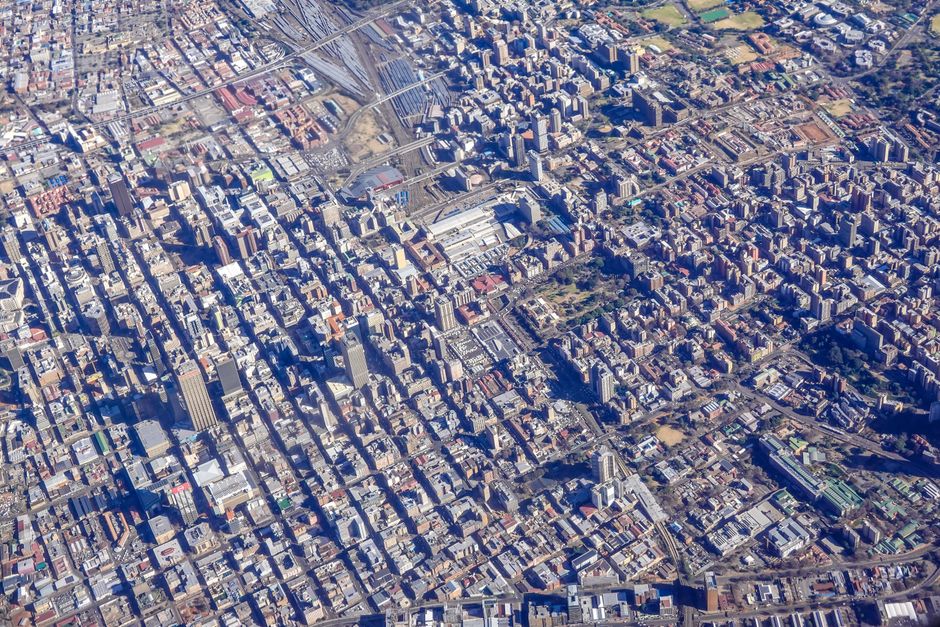
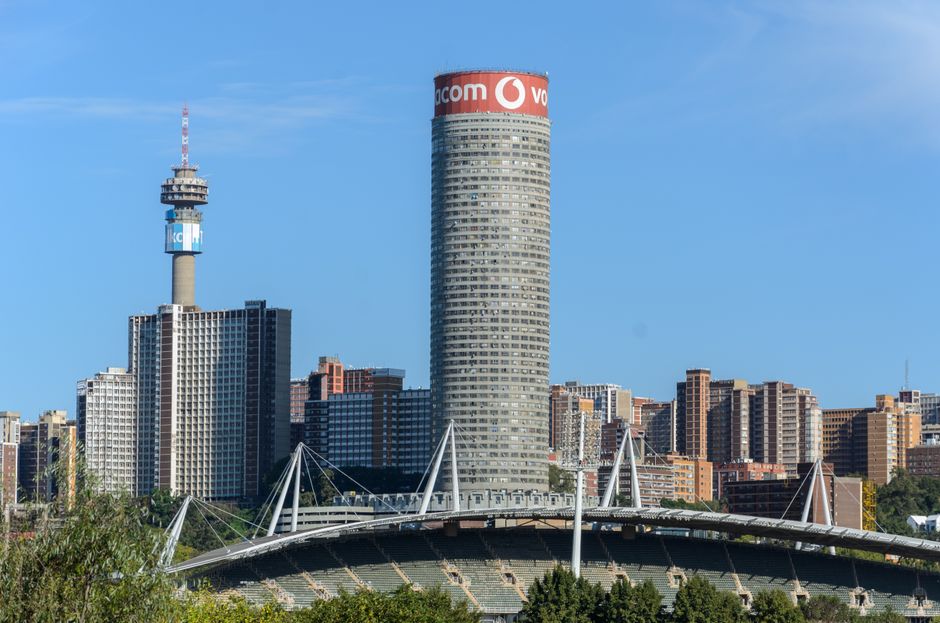
Johannesburg's political landscape enters a defining period, with the City of Johannesburg municipality facing a cluster of high-stakes decisions that will reverberate across Sandton's gleaming corporate towers, through the struggling townships of Alexandra and Soweto, and into the crumbling infrastructure corridors of the inner city.
The most immediate challenge concerns the Rea Vaya Bus Rapid Transit system. The municipality must decide by mid-July whether to expand Phase 2B into Roodepoort and the West Rand—a R2.8 billion commitment that critics argue diverts resources from fixing the current system's notorious delays on the Johannesburg-to-Soweto corridor. Support within the mayoral office appears divided, with crucial votes from the council's transport committee expected within weeks.
Water supply represents the second critical juncture. The Rand Water Company has signalled that Johannesburg's aging pump stations on the East Rand require emergency upgrades costing approximately R1.4 billion. The municipality must choose between emergency borrowing or deferring maintenance on the Brixton water tower rehabilitation project—affecting supply reliability across the northern suburbs and Midrand commercial districts.
A third battleground centres on the inner city's regeneration strategy. The Downtown Johannesburg Partnership and the city's own Development Agency will present competing visions for Newtown and the Maboneng Precinct in early August. One proposes accelerated property acquisition and residential conversion; the other emphasises commercial and cultural development. The choice will determine whether struggling residents benefit from mixed-income housing or face further displacement.
The council must also resolve persistent tensions over Alexandra's service delivery backlog. A R340 million infrastructure plan sits awaiting final approval, delayed by disputes over whether funds should prioritise water and sanitation upgrades or road resurfacing in this densely populated township of approximately 500,000 residents.
Finally, the municipality faces a budgetary inflection point. Rising municipal wage obligations—union negotiations resume in August—compete against capital spending on pothole repair and streetlight maintenance across all six regions. Tough trade-offs appear unavoidable given the city's constrained revenue base.
These decisions arrive amid broader institutional pressure. The provincial government's oversight division has queried municipal spending patterns, while ongoing litigation threatens several infrastructure contracts. Whether the current administration can navigate these choices swiftly and decisively will largely determine whether Johannesburg stabilises or slides further into service delivery stasis.
The next 60 days will be telling.
This article was compiled by AI from the sources linked above and screened before publishing. See our editorial standards.