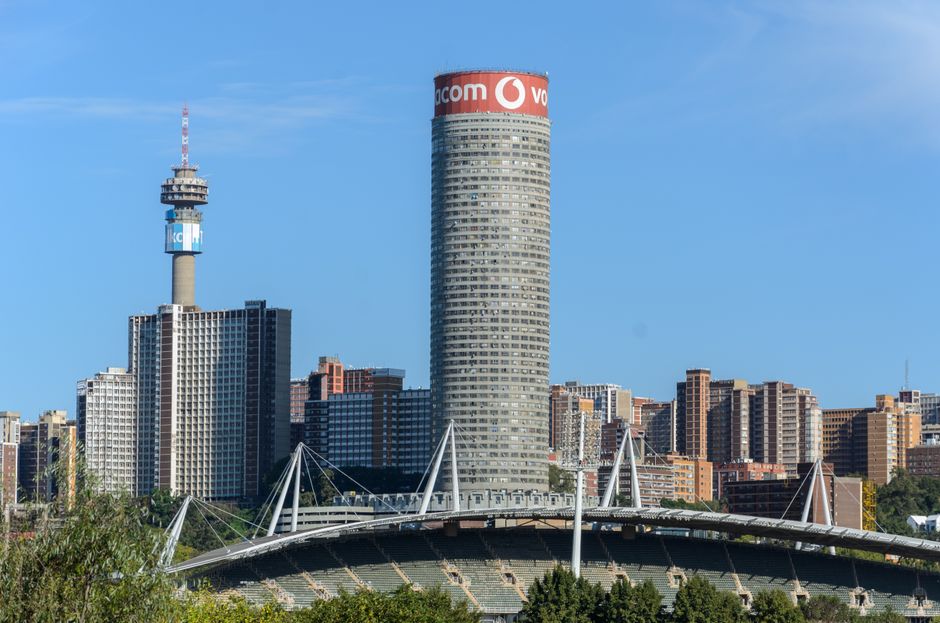
Johannesburg stands at a critical juncture in its emergency services infrastructure, with Metro Police and Fire and Rescue Services facing pivotal decisions over the next six months that will determine whether response times improve or worsen across the sprawling metropolitan area.
The pressure points are unmistakable. Recent data shows average response times to priority crime incidents in central areas like Hillbrow and Berea now exceed 45 minutes, while fire response times to calls in outlying zones such as Soweto and Ekurhuleni-adjacent areas regularly stretch beyond an hour. The Johannesburg Emergency Services Division has identified staffing shortages as the primary culprit—the Metro Police Department is operating at approximately 78% of its authorized strength, while the Fire and Rescue Service faces similar gaps.
City leadership must now decide whether to invest substantially in recruitment and retention, a move that would require redirecting resources from other municipal departments. The salary gap between JMPD officers and their counterparts in private security firms has widened significantly, with trained constables earning roughly R18,000 monthly against R24,000-plus in the private sector.
A second crucial decision involves technology infrastructure. The Johannesburg Emergency Operations Centre, based near the Civic Centre in Braamfontein, currently operates on a fragmented dispatch system that integrates police, fire, and ambulance services unevenly. Upgrading to a unified digital command platform would cost an estimated R340 million but could slash response times by 20-30 percent. Officials must decide whether to pursue this investment or adopt interim measures.
Community policing expansion represents a third fork in the road. Programs like the visible foot patrols in Sandton and the community response units in Soweto have shown promise in specific neighborhoods, but scaling these citywide would require an additional 2,000 trained officers. The Johannesburg Safety Lekgotla, a coordination body bringing together Metro Police, SAPS, and community representatives, meets next month to evaluate whether these programs merit expansion.
The clock is ticking. Municipal budget adjustments must be finalized by August 31, meaning decisions on recruitment, technology investment, and community program expansion are imminent. Delays risk further deterioration in response capabilities during Johannesburg's critical winter season, when traffic congestion and visibility challenges already strain emergency services.
Stakeholders including the Business Against Crime organization, local ward councillors, and safety organizations have submitted proposals. What emerges from these deliberations will shape how effectively Johannesburg responds to crises for years to come.
This article was compiled by AI from the sources linked above and screened before publishing. See our editorial standards.