Johannesburg's Metropolitan Council has greenlit an ambitious densification strategy that could reshape the inner city's housing landscape, approving sweeping planning amendments on Thursday that will accelerate mixed-use residential projects across historically underutilised areas.
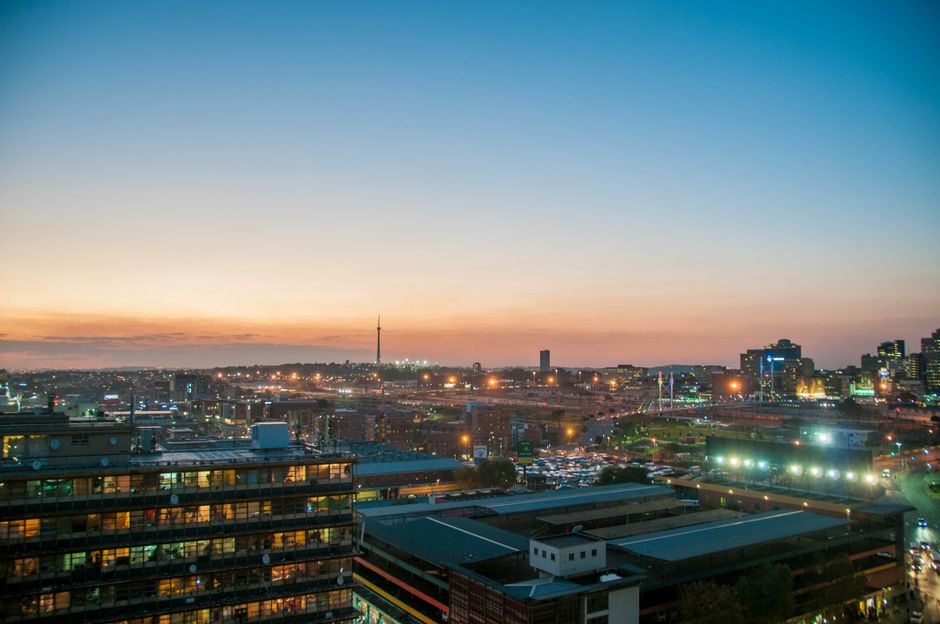
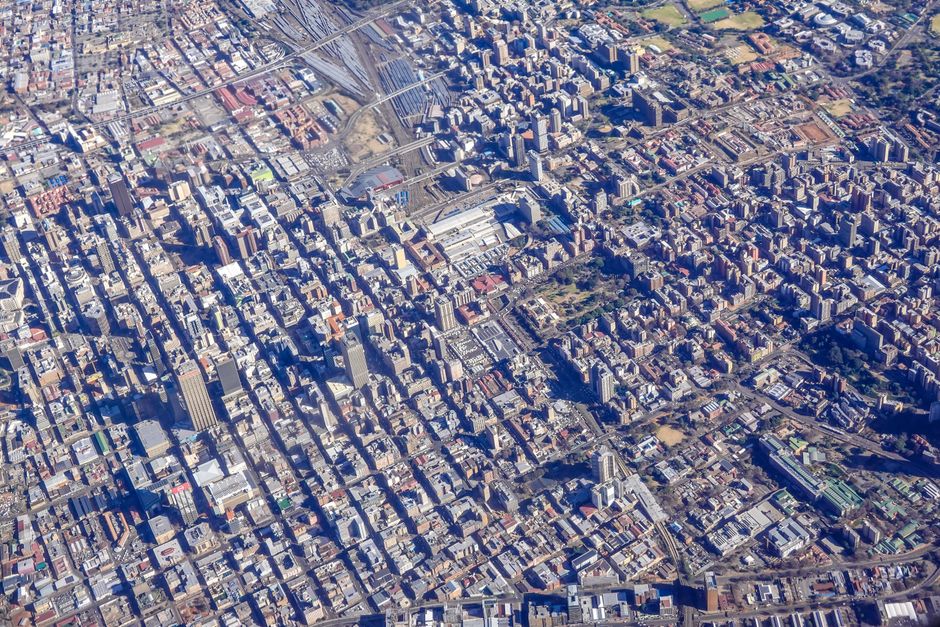
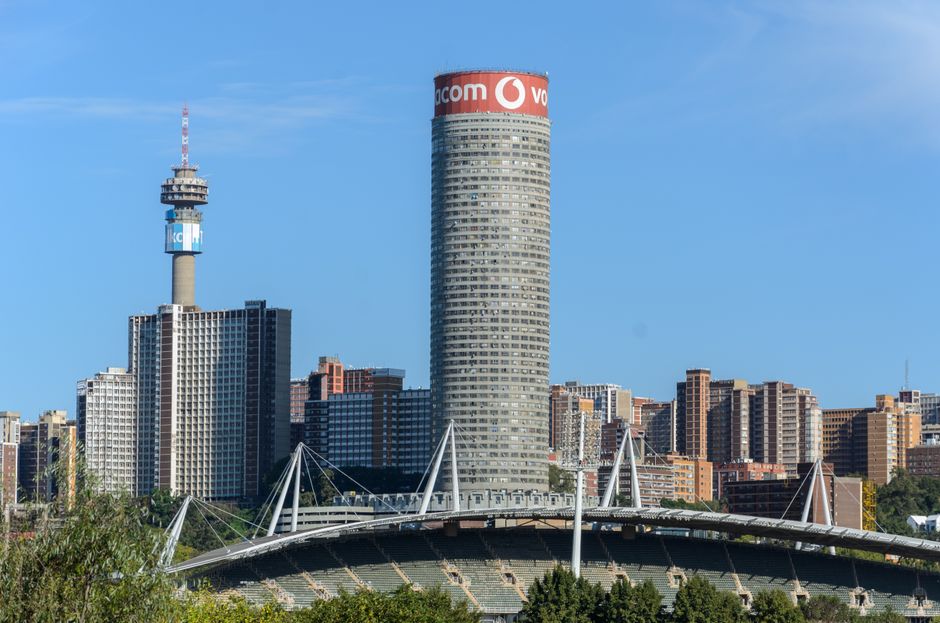
The decision, which passed with a slim 52-48 majority, clears the way for developers to fast-track apartment blocks, affordable housing units, and commercial spaces in precincts including Hillbrow, Berea, and Joubert Park—neighbourhoods that have struggled with urban decay and vacancy rates exceeding 40% in recent years.
"This is about pragmatism," a City of Johannesburg spokesperson explained at a press briefing held at the Civic Theatre on Loveday Street. "We're facing a housing deficit of over 300,000 units across the metropolitan area. Our choice is to densify existing infrastructure or continue sprawling outward."
The amendment streamlines approval processes for residential projects between 5 and 12 storeys, reducing environmental impact assessment timelines from 18 months to six months. It also permits developers to exceed current floor-area-ratio caps by up to 25% in designated inner-city zones, provided 15% of units remain below R8,000 monthly rental rates—a significant concession to affordability advocates who initially opposed the measure.
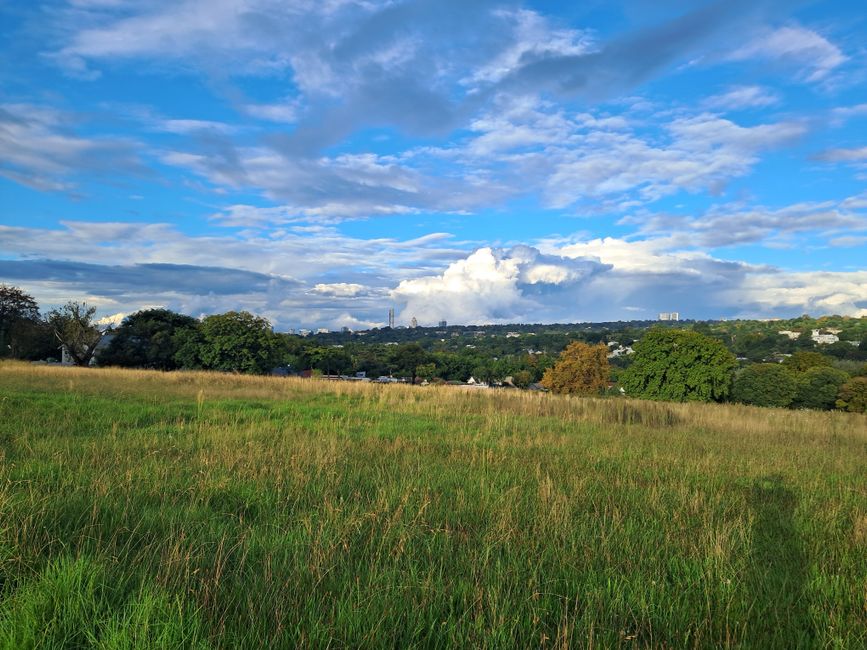
However, the plan has triggered fierce resistance. Resident associations in Parkwood and surrounding suburbs worry about infrastructure strain, while heritage conservation groups flagged concerns about demolition of early 20th-century buildings in the Maboneng Precinct. The Johannesburg Development Agency disputed claims that water and sewerage systems could handle increased density without substantial capital investment.
Property analysts note cautious optimism. "We've seen investor interest spike in Berea and Lorentzville already," said one commercial real estate consultant. Current property values in Hillbrow average R15,000 per square metre for residential land—significantly below northern suburbs benchmarks—creating investment incentives despite perceived risk.
The council's decision reflects mounting pressure from civil society organisations tracking the city's housing crisis. Data released last month showed that informal settlement populations in Johannesburg have grown 8% year-on-year, with families increasingly occupying abandoned CBD office buildings.
Implementation details remain unclear. The City has committed to a revised Infrastructure Master Plan by September, though budget constraints and service delivery backlogs may delay rollout. Community consultation rounds begin next month across affected wards.
This week's vote represents the most significant urban planning shift since the 2040 Integrated Development Plan. Its success or failure will define whether Johannesburg can modernise its approach to housing amid growing inequality and spatial fragmentation.
This article was compiled by AI from the sources linked above and screened before publishing. See our editorial standards.