Johannesburg's transport overhaul hinges on officials' push for unified vision, experts warn
City planners and transport authorities are signalling major shifts in how the metropolis will move people, but coordination challenges loom large.
City planners and transport authorities are signalling major shifts in how the metropolis will move people, but coordination challenges loom large.

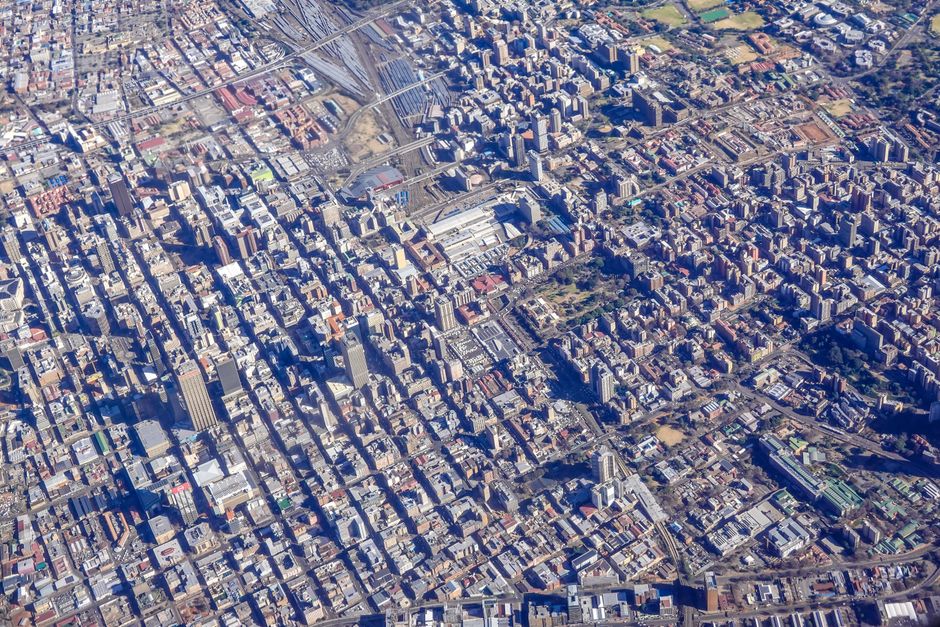
Johannesburg's transport infrastructure is at a crossroads, with city officials and transport experts calling for a more integrated approach to solving the mobility crisis that has plagued the country's economic heartland for years.
The Johannesburg Development Agency (JDA) and the City's transport directorate have been intensifying discussions around the Rea Vaya bus rapid transit expansion, the proposed Gautrain extension towards the south, and the rehabilitation of crumbling road networks across sprawling townships. According to transport planners interviewed by this publication, the challenge lies not in funding or engineering, but in ensuring these projects speak to each other rather than operating in silos.
"What we're seeing is an acknowledgement that piecemeal solutions won't work," one senior transport official said, speaking on condition of anonymity. Officials have flagged the urgent need to connect the Rea Vaya's northern and southern corridors with last-mile solutions in areas like Soweto, Alexandra, and the East Rand townships.
The Rea Vaya system currently services approximately 350,000 passengers daily across its existing network, but experts argue that without proper feeder routes and taxi integration, the system remains inaccessible to millions. Dr Lebogang Mokonyane, a transport policy researcher at the University of the Witwatersrand, has noted that successful models elsewhere require coordinated public transport—something Johannesburg has struggled to achieve.
City officials have also begun framing the Gautrain extension towards Orange Farm and the southern suburbs as essential to decongesting the N1 and creating employment corridors. The original Gautrain, which opened in 2010, cost R33 billion and now carries over 60,000 daily commuters, yet serves only a fraction of the metro's 6.4 million population.
Meanwhile, the state of roads in central Johannesburg and key arterial routes—including stretches of the M1, parts of Commissioner Street, and connections through Hillbrow and Berea—has become a focal point. Officials have acknowledged that deteriorating infrastructure costs the city an estimated R2.3 billion annually in vehicle damage claims and lost economic productivity.
What's emerging from recent high-level meetings is a commitment to what authorities are calling a "spatial transport strategy," linking infrastructure investment to job creation and urban development. Yet transport experts caution that without political stability, sustained funding, and concrete timelines, these proclamations risk becoming merely aspirational.
The next six months will be critical, officials suggest, as the city prepares detailed business plans for major projects and seeks alignment with provincial and national transport authorities.
This article was compiled by AI from the sources linked above and screened before publishing. See our editorial standards.
How does this story make you feel?
Spread the word
About this article
Published by The Daily Johannesburg
Daily brief
Free, in your inbox before 7am. Weekdays.
More in News