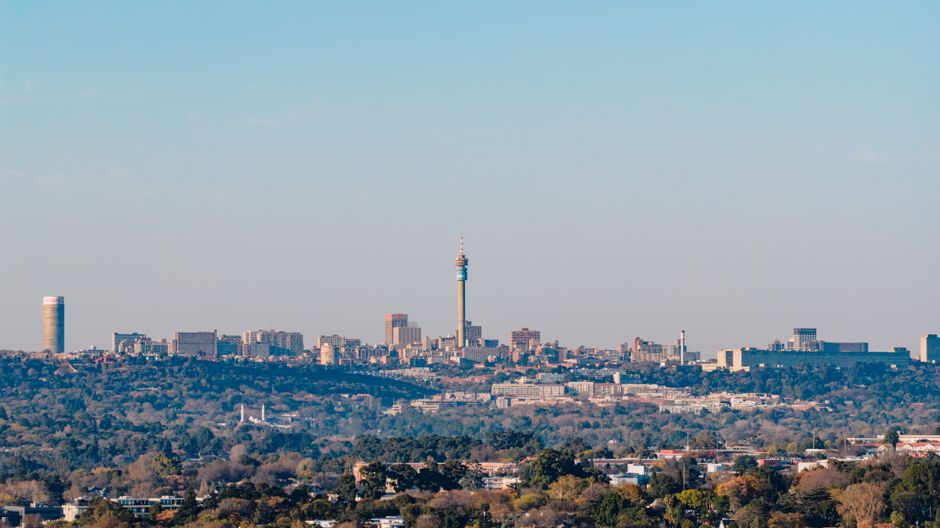
Johannesburg's multicultural fabric shifted noticeably this week as the Department of Home Affairs expanded its presence in the Braamfontein district, opening a satellite processing centre on Commissioner Street to handle the backlog of asylum and migration applications. The move comes as the city grapples with an estimated 240,000 foreign nationals seeking residence permits, according to data from the Johannesburg Migration and Refugee Centre.
The new facility, operational since Monday, is expected to reduce processing times from the current eight-to-twelve week average to approximately four weeks. However, community leaders in the surrounding areas have raised concerns about infrastructure strain. The Braamfontein Precinct Management District reported a 34% increase in foot traffic along Commissioner and Claim streets since the announcement, with informal settlement populations near the Diagonal Street corridor expanding steadily.
Meanwhile, the Johannesburg City Council's Integrated Human Settlement programme released its second-quarter report, revealing that migrant-headed households now constitute 28% of beneficiaries in inner-city housing projects—up from 19% last year. The Newtown Housing Initiative, which provides transitional accommodation on Carr Street, has added two additional units to accommodate increased demand. Current residents pay between R1,200 and R1,800 monthly, significantly below market rates of R3,500-plus in surrounding areas.
Tension emerged this week at the Civic Centre forums when Johannesburg residents raised concerns about competition for municipal services. Ward councillors reported that water and electricity usage in high-density migrant areas has strained infrastructure maintenance budgets. Officials acknowledged the challenges but emphasized the city's commitment to inclusive growth, noting that foreign nationals contribute an estimated R47 billion annually to the local economy through entrepreneurship and taxation.
On a positive note, the Yeoville Multicultural Centre, located on Rockey Street, launched its expanded vocational training programme this Saturday, offering courses in welding, electrical installation, and hospitality management to 150 participants, approximately 60% of whom are migrants. The initiative, funded through a public-private partnership, aims to address skills gaps while facilitating integration.
Civil society organizations remain cautiously optimistic. The Johannesburg Refugee Forum, headquartered in Hillbrow, called for sustained investment in community policing and dispute resolution mechanisms, particularly in areas where rapid demographic shifts have occurred. Their latest survey suggests that informal settlements housing migrants experience safety concerns at twice the rate of established residential areas.
As the city navigates these developments, stakeholders agree that planned, inclusive approaches will be crucial. The next Community Dialogue Session is scheduled for July 15th at the Johannesburg Library in Marshalltown.
This article was compiled by AI from the sources linked above and screened before publishing. See our editorial standards.