The narrow lanes of Hillbrow's informal settlements are buzzing with uncertainty this week, as community leaders prepare for a series of municipal consultations that will shape the next phase of urban renewal in Johannesburg's most densely populated neighbourhoods.
At stake is how nearly 40,000 residents across Hillbrow, Berea, and parts of Joubert Park will be housed over the next five years—a question that has divided civic associations, NGOs, and residents themselves. The City's preliminary framework, released in April, proposes accelerated in-situ upgrading combined with mixed-income residential towers on adjacent land. But the proposal comes with trade-offs: residents would need to accept temporary relocation during construction, and property values could spike, potentially displacing vulnerable households.
"We're at a fork in the road," says Thabo Mthembu, coordinator of the Hillbrow Urban Collective, a grassroots organisation working across seven wards. "The question is whether we shape this ourselves, or let it happen to us."
The numbers are stark. According to the Johannesburg Housing Company's 2025 audit, over 60% of households in central Hillbrow earn below R4,500 monthly. Meanwhile, municipal data shows that of the 120 vacant or underutilised buildings in the immediate area, fewer than 15 are earmarked for social housing under current plans. Most are slated for private development.
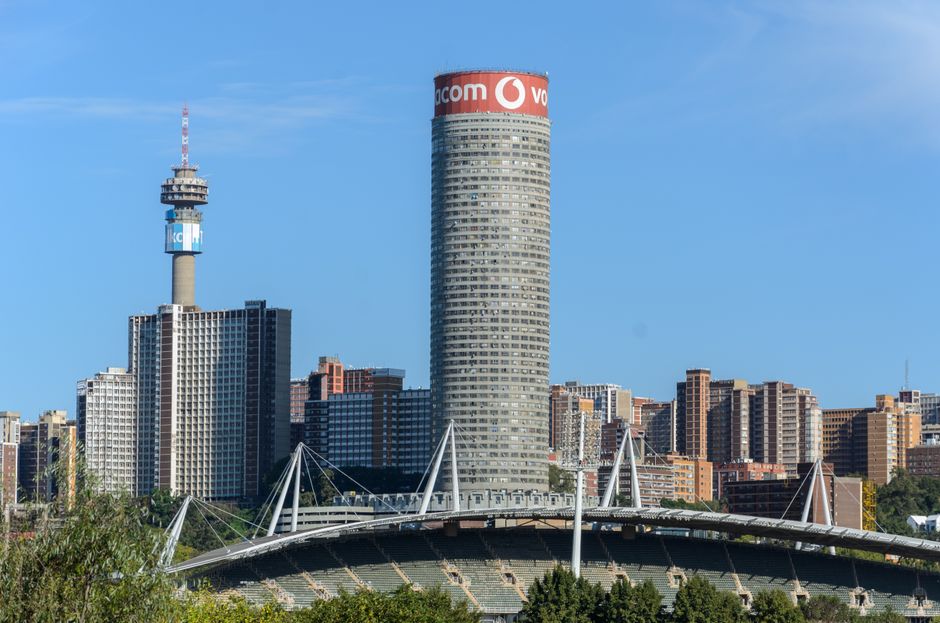
Three key decisions loom. First: whether communities will accept the City's proposed densification timeline (2027-2032) or demand a slower, more consultative approach. Second: how to ensure new housing remains affordable—current proposals suggest 30% of new units be reserved for households earning under R3,500 monthly, but enforcement mechanisms remain unclear. Third: what happens to the estimated 8,000 residents currently in the most informal structures along Claim Street and around Pritchard Tower.
The Johannesburg Civic Engagement Forum has scheduled community meetings across Hillbrow for July and August. Meanwhile, the Socio-Economic Rights Institute is preparing a counter-proposal that prioritises community land trusts and cooperative housing models, though funding for such alternatives remains uncertain.
Municipal officials are expected to present refined plans in September, but the real test will come in the communities themselves. Without genuine buy-in from residents, these renewal efforts risk becoming another cycle of displacement dressed in the language of upliftment.
For Hillbrow's residents, the decision ahead is not merely about where to live, but about who gets to decide.
This article was compiled by AI from the sources linked above and screened before publishing. See our editorial standards.