How Johannesburg's Housing Crisis Stacks Up Against Global Peers—And Where the City Falls Short
As mega-cities worldwide grapple with affordability and sprawl, experts say Johannesburg's policy approach lags behind successful international models.
As mega-cities worldwide grapple with affordability and sprawl, experts say Johannesburg's policy approach lags behind successful international models.
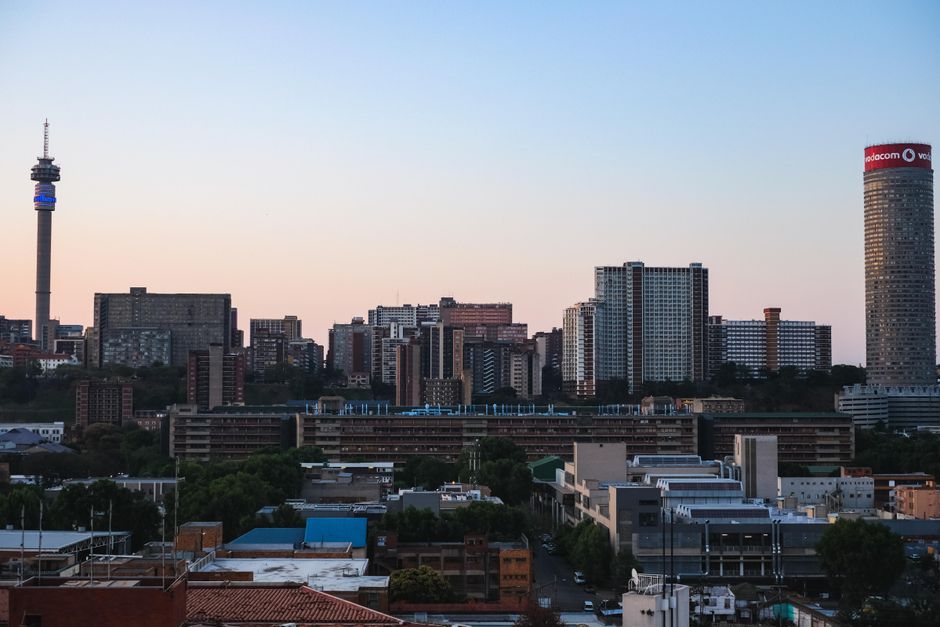
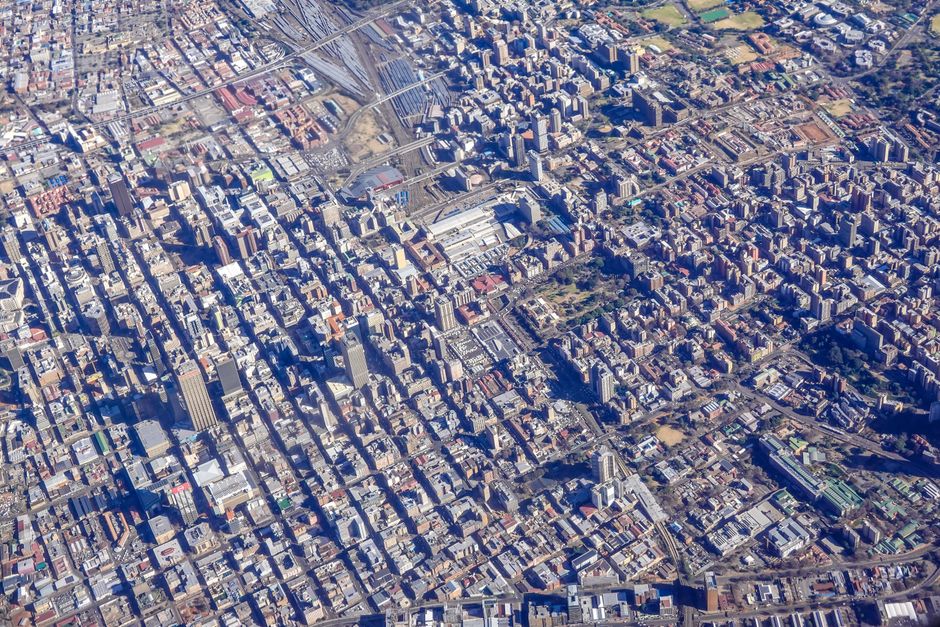
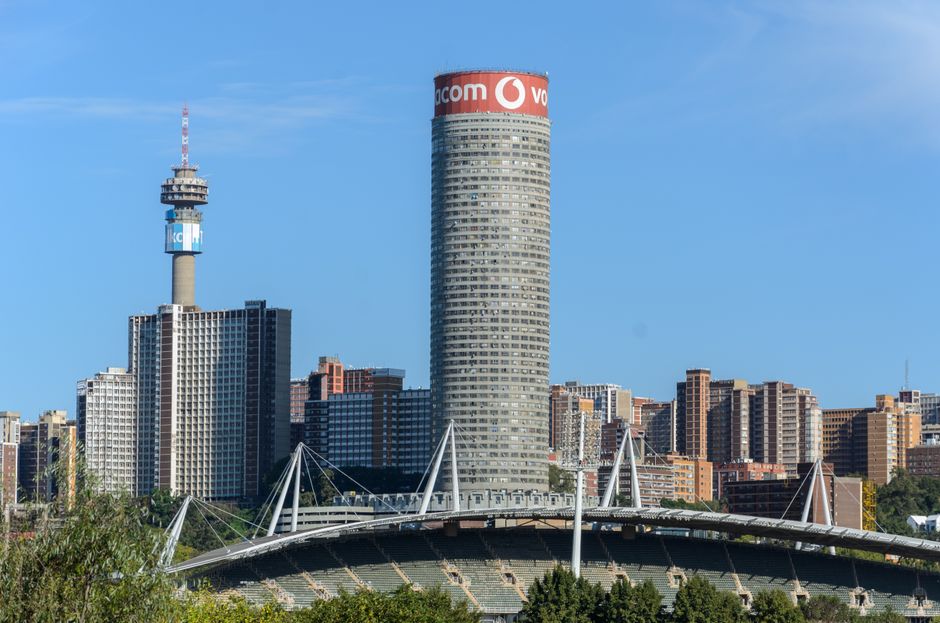
Johannesburg faces a housing affordability crisis that mirrors challenges in cities across the globe, yet the municipality's policy response remains fragmented compared to international counterparts tackling similar demons. With median property prices in desirable areas like Sandton exceeding R4.5 million and rental costs in the CBD climbing 12% annually, the Gap between supply and demand has widened to crisis proportions.
Unlike cities such as Vienna, where municipal housing comprises 60% of the rental market, Johannesburg's public housing stock represents less than 3% of total housing. The city's approach—relying heavily on private developers and traditional subsidised housing schemes—contrasts sharply with Singapore's model, where the government directly builds and manages 80% of residential units. Singapore's public housing programme keeps homeownership affordable for median-income earners; Johannesburg's equivalent targets only the poorest 20% of residents.
The City of Johannesburg's current Spatial Development Framework aims to densify corridors along the Gautrain route and rezone areas around Braamfontein and the inner city. Yet implementation has stumbled. While Barcelona successfully converted industrial zones into mixed-income neighbourhoods through strict planning codes and developer incentives, Johannesburg's rezoning processes often encounter legal challenges and community resistance, slowing transformation in areas like Maboneng and Newtown.
Urban planners point to Johannesburg's legacy spatial segregation—a direct consequence of apartheid planning—as complicating modern solutions. The municipality inherited a fragmented city where townships like Soweto and Alexandra remain geographically isolated from employment nodes. Attempts to address this through projects like the Corridors of Freedom initiative show promise but lack the sustained funding seen in cities like Copenhagen, which invests 8-10% of municipal budgets into integrated public transport and mixed-income housing.
Where Johannesburg does gain ground is in informal settlement upgrade programmes. The city's effort to formalise areas like Slovo Park and Orange Farm has drawn international attention, positioning it alongside Medellín's community-led regeneration approach. However, critics argue upgrades often come too slowly and without accompanying job creation or service expansion.
Real estate economists note that Johannesburg's property tax system—currently among Africa's lowest at 0.25-0.5% of property value—differs markedly from Toronto's 0.6-0.7% rate, which funds aggressive housing supply expansion. Increasing municipal revenue through property taxation remains politically toxic locally, limiting the City's ability to fund affordable housing at scale.
As global cities accelerate mixed-income development, Johannesburg's policymakers face mounting pressure to adopt bolder interventions: stricter inclusionary zoning requirements, expanded municipal housing portfolios, and accelerated transport-oriented development along the entire Gautrain spine.
This article was compiled by AI from the sources linked above and screened before publishing. See our editorial standards.
How does this story make you feel?
Spread the word
About this article
Published by The Daily Johannesburg
Daily brief
Free, in your inbox before 7am. Weekdays.
More in News