Migration surge reshaping Johannesburg: What city leaders and experts are saying about the future
As thousands arrive seeking opportunity, officials and academics debate integration challenges and economic impacts in Africa's richest city.
As thousands arrive seeking opportunity, officials and academics debate integration challenges and economic impacts in Africa's richest city.
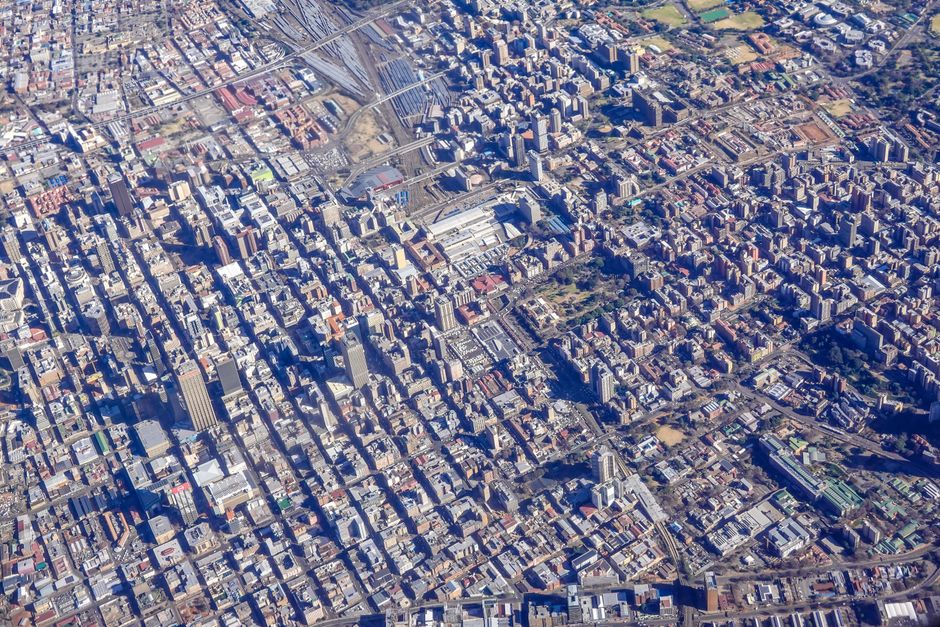
Johannesburg's transformation into a continental migration hub is accelerating, with city officials and migration experts weighing in on both the opportunities and mounting pressures facing the metropolitan area.
According to the Johannesburg Development Agency, the city's migrant population has grown by approximately 23% over the past three years, with arrivals from across sub-Saharan Africa joining established communities in areas like Berea, Hillbrow and Yeoville. This influx has prompted urgent conversations among municipal leaders about infrastructure, service delivery and social cohesion.
Officials from the City of Johannesburg's Human Settlements directorate have emphasised the need for formalised integration programmes. "We're seeing extraordinary demand on housing, healthcare and education services," a spokesperson for the municipality noted in recent briefings, pointing to overcrowding in informal settlements as a critical concern. The city's social development department has flagged specific pressure points along the Ben Schoeman Highway corridor and around Johannesburg's central business district.
Dr Loren Landau, director of the African Centre for Migration & Society at the University of the Witwatersrand, has argued that Johannesburg's economic resilience depends on managed, inclusive migration policies. "Cities that treat migrants as assets rather than burdens tend to experience stronger economic growth," he explained in recent academic commentary on the city's trajectory. Landau and colleagues have documented how migrant entrepreneurs contribute an estimated R8.2 billion annually to the city's informal economy.
Business chambers have struck a more cautious tone. The Johannesburg Chamber of Commerce and Industry has called for clearer regulatory frameworks around migrant worker employment, citing concerns about labour exploitation and fair competition. Chamber representatives have suggested that formalising pathways into the job market could benefit both newcomers and local workers.
Community organisations operating in multicultural neighbourhoods report mixed sentiment. The Johannesburg Refugee Centre, based in Yeoville, and similar NGOs have documented growing tensions alongside remarkable examples of intercultural cooperation. "We're seeing both friction and remarkable solidarity," according to statements from these organisations during recent public forums at venues like the Joburg Market precinct.
The Gauteng provincial government has indicated plans to improve service delivery infrastructure, with discussions underway about expanding clinics and primary schools in high-density migrant areas. However, funding constraints remain a persistent challenge.
As Johannesburg continues to function as southern Africa's primary economic engine, the question of how to harness migration's potential while managing its challenges has become central to the city's development agenda—a conversation that will likely intensify over the coming months.
This article was compiled by AI from the sources linked above and screened before publishing. See our editorial standards.
How does this story make you feel?
Spread the word
About this article
Published by The Daily Johannesburg
Daily brief
Free, in your inbox before 7am. Weekdays.
More in News