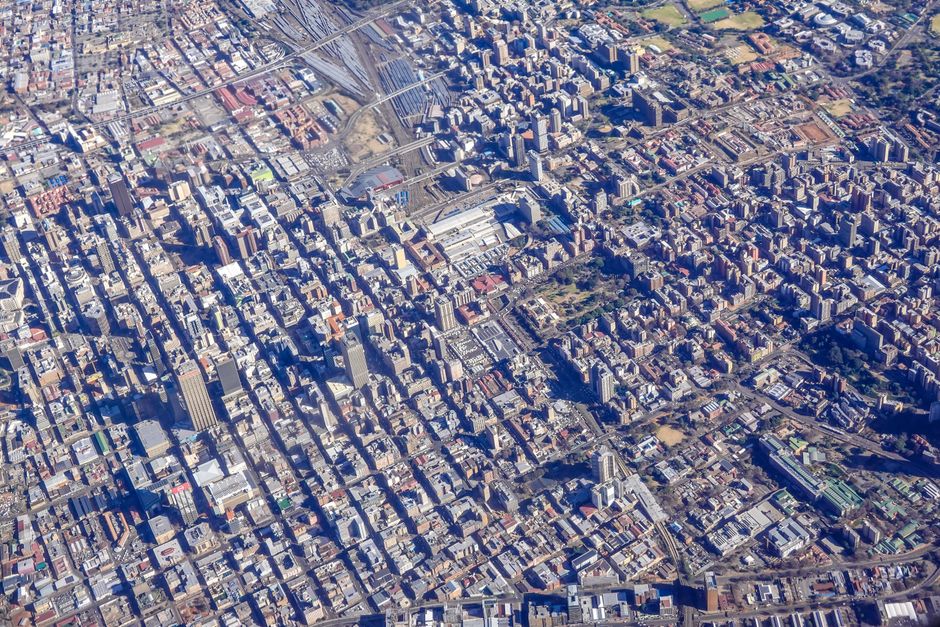
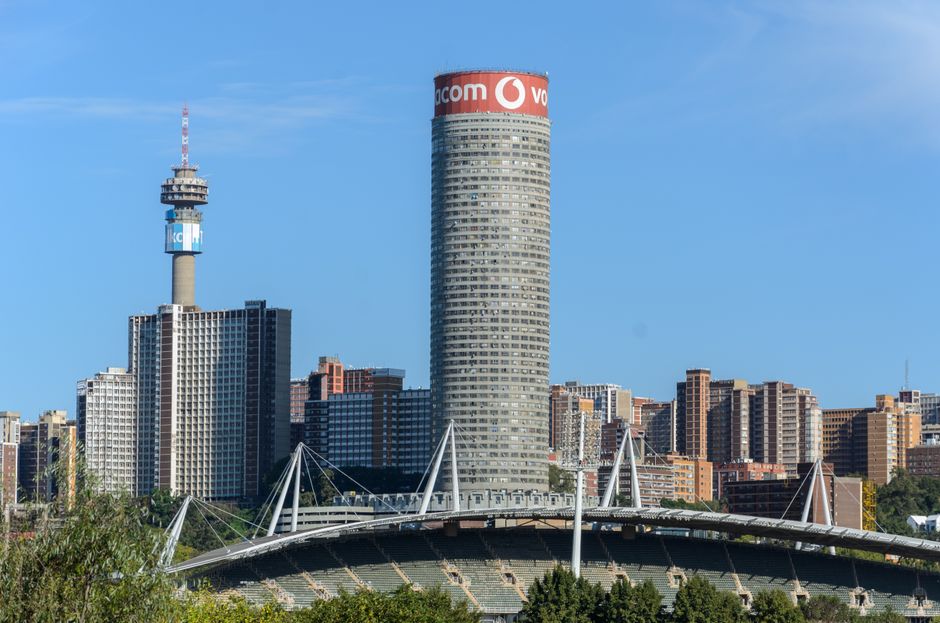
Walk through the Johannesburg CBD on a weekday morning and you'll hear Lingala, Portuguese, Somali, and Amharic competing with English and Zulu for airtime. The transformation didn't happen overnight. To understand why nearly 40% of Johannesburg's estimated 6 million residents today were born outside South Africa's borders, you need to rewind three decades.
The city's magnetic pull began in earnest during the 1990s, when apartheid's collapse opened borders and the country's manufacturing sector boomed. Regional wars—in Angola, Mozambique, and Rwanda—pushed desperate families northward. But the real inflection point came after 2000, as Zimbabwe's economic collapse sent successive waves of migrants across the Limpopo. By 2010, the Zimbabwean diaspora alone numbered over 100,000 in Johannesburg.
"The informal economy absorbed them first," explains research from the Wits School of Governance, which has tracked migration patterns since 2005. Hillbrow and Berea became affordable entry points, their once-elegant apartment blocks subdivided into micro-units renting for R800-R1,200 monthly. Meanwhile, entrepreneurial migrants established footholds in Fordsburg's fabric district and along Commissioner Street's wholesale corridors, creating parallel economies that generated an estimated R12 billion annually by 2015.
The Democratic Republic of Congo crisis—particularly the mineral wealth conflicts—added another demographic layer from 2012 onward. Today, Congolese nationals represent one of the fastest-growing migrant populations, clustering in Yeoville and parts of the inner city, where they've established churches, shops, and informal trading networks.
Yet this growth has strained the city's social infrastructure dramatically. The 2019 xenophobic tensions that erupted across Johannesburg—with shops looted in Berea and Hillbrow, and migrant-owned businesses targeted—exposed the fractures. Schools in high-immigration areas like Yeoville report student-to-teacher ratios exceeding 50:1. Healthcare facilities struggle; the Hillbrow Clinic treats over 1,000 patients daily, many without South African documentation.
Housing remains critical. While migrant communities have catalyzed gentrification in pockets of the inner city, creating vibrant cultural hubs around Braamfontein and Maboneng, affordable accommodation has evaporated. Landlords in Hillbrow charge premium rates knowing desperate families have limited options.
The city's multicultural identity—celebrated in its markets, restaurants, and music venues—is real. But it's been built atop insufficient planning, stretched resources, and communities competing for the same scarce opportunities. Understanding this trajectory is essential as Johannesburg grapples with integration, xenophobia, and the fundamental question: how does a city accommodate waves of migration when basic services lag behind demand?
This article was compiled by AI from the sources linked above and screened before publishing. See our editorial standards.