Johannesburg's housing challenge is neither unique nor insurmountable—but the city's response lags behind comparable global metropolises facing similar pressures, analysis of municipal planning strategies reveals.
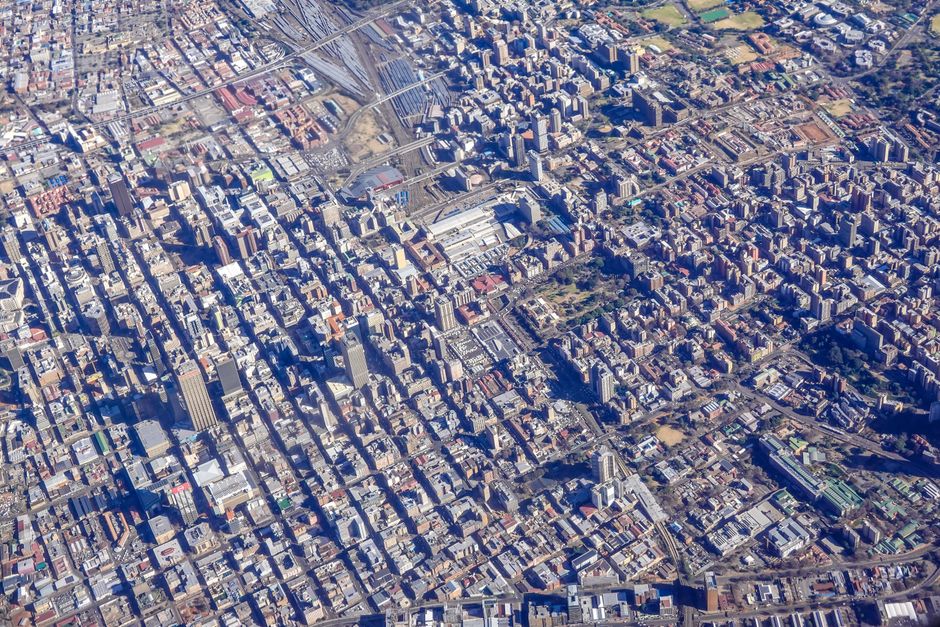
With an estimated 3.7 million residents crammed into sprawling informal settlements across Alexandra, Soweto, and Diepsloot, Johannesburg faces a shortage of approximately 400,000 housing units. The median property price in established areas like Sandton has climbed beyond R4.5 million, while City Deep and Braamfontein grapple with rapid gentrification that displaces lower-income residents.
Yet compare this to how Singapore tackled its 1960s housing crisis. The city-state's Housing and Development Board now houses 80% of its 5.7 million people in affordable public units, with strict mixed-income zoning policies that prevented the wealth-based segregation plaguing Johannesburg's northern suburbs. Strasbourg and Vienna, meanwhile, mandate that 30% of new developments include social housing—a requirement Johannesburg's planning frameworks lack entirely.
São Paulo, often cited as Johannesburg's closest peer, has introduced aggressive mixed-use zoning in previously industrial areas like Vila Madalena, catalysing informal-to-formal transitions. Johannesburg's recent Inner City Regeneration Initiative has borrowed similar strategies for the Newtown precinct and around Maboneng, though implementation remains patchy and underfunded.
The city's Housing Development Agency, established in 2009, has delivered fewer than 20,000 units against a target of 1 million—a performance gap that reveals structural weaknesses. London's Greater London Authority, despite significantly higher land costs, manages faster release of Crown land for development through streamlined procurement. Johannesburg's municipal land parcels in Kliptown and Orange Farm sit underutilised, tangled in bureaucratic approval processes.
Where Johannesburg does innovate is incremental housing—permitting residents in townships to expand and formalise existing structures. However, without coordinated water, sanitation and electricity infrastructure investments, these gains remain fragile. Singapore invested heavily in these systems before housing proliferation; Johannesburg does so reactively.
The City of Johannesburg's 2022-2026 Integrated Development Plan acknowledged the crisis, pledging R37 billion toward housing delivery. Yet funding remains insufficient compared to Singapore's equivalent per-capita expenditure or Vienna's municipal budget allocations. Experts argue Johannesburg needs mandatory inclusionary zoning on all new developments above 5,000 square metres—a lever successfully deployed in Toronto and Berlin.
Unless the municipality accelerates institutional reform, secures sustained capital investment, and adopts global best practices on mixed-income development, Johannesburg's housing divide will deepen further, widening the spatial inequality that defines the post-apartheid city.
This article was compiled by AI from the sources linked above and screened before publishing. See our editorial standards.