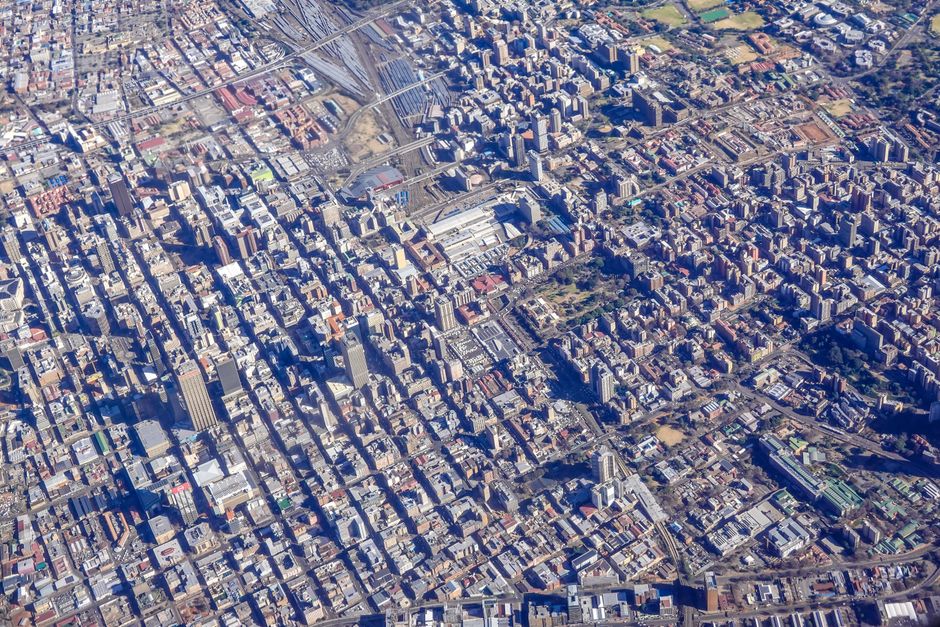
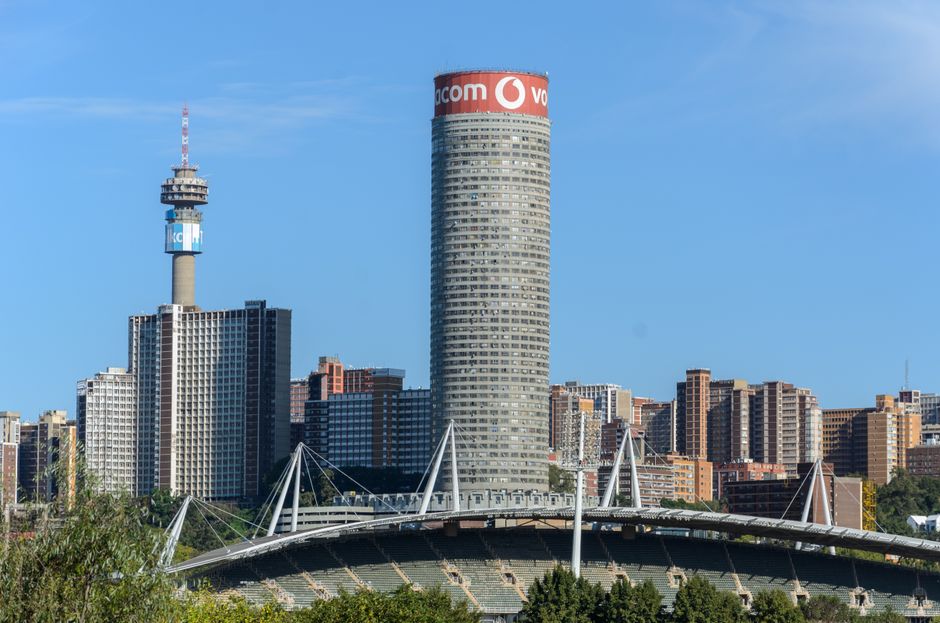
Johannesburg's political leadership faces a defining moment. Within the next four months, three watershed decisions will determine whether Africa's economic powerhouse can arrest its decline or accelerate into deeper crisis.
The first challenge arrives in August: approval of the 2026-27 municipal budget. City officials must decide how to allocate roughly R68 billion across competing priorities while managing a growing infrastructure deficit. The Johannesburg Water Company's aging pipe network—some sections dating to the 1970s—loses approximately 40% of treated water to leaks. Repairs to the Olifantsvlei Water Treatment Works and expansion of capacity to supply northern sprawl areas like Midrand and Centurion will consume substantial capital. Yet maintenance backlogs across Joburg Roads Agency assets and the deteriorating street lighting in Hillbrow, Berea and Joubert Park demand immediate attention.
The second crunch point emerges around September, when council must finalise its Integrated Development Plan's spatial framework. This decision will essentially write the city's expansion blueprint through 2035. Will Johannesburg prioritise densification along the Gautrain corridor from Sandton to the CBD, or allow continued sprawl into the Cradle of Humankind? The choice has profound implications for transport costs, service delivery efficiency and whether the city can contain its municipal footprint to sustainable levels.
Most pressingly, October brings the final negotiations over service delivery partnerships. The municipality currently contracts Pikitup for waste management and various private operators for water and electricity maintenance. Budget constraints mean some contracts will not be renewed in their current form. The city must decide whether to bring services in-house—risking operational chaos—or restructure partnerships to improve accountability while controlling costs.
These decisions carry real stakes for residents. A failed budget process means delayed salary payments to municipal workers, who comprise a critical voting bloc. A flawed spatial plan locks in transportation patterns for a generation. Mishandled service partnerships invite the kind of widespread electricity outages and sanitation breakdowns that plagued Eskom and other metros.
The political arithmetic matters too. The current council coalition remains fragile. Each of these three decisions offers an opportunity for opposition parties to demonstrate governance alternatives or for governing partners to fracture over resource allocation.
City Hall insiders acknowledge the pressure. The window for meaningful course correction is closing. Without credible decisions on these fronts by year's end, Johannesburg risks sleepwalking into 2027 with deepening service deficits and eroded investor confidence—a trajectory increasingly difficult to reverse.
This article was compiled by AI from the sources linked above and screened before publishing. See our editorial standards.