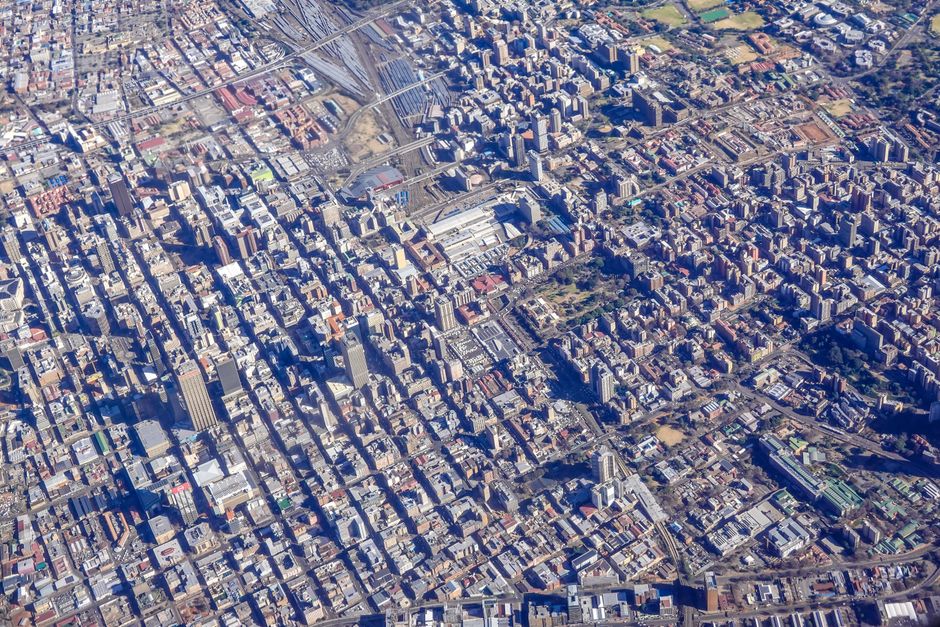
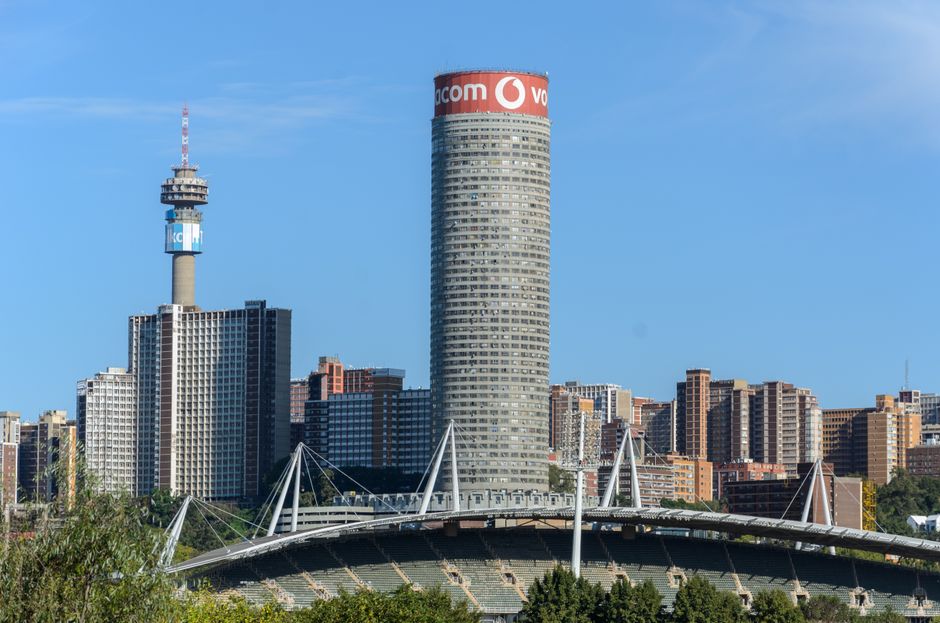
When the City of Johannesburg announced its commitment to net-zero emissions by 2050, it joined a growing league of global metropolitan areas racing to combat climate change. Yet three years into its climate action plan, the city faces a sobering reality: progress is uneven, and in some sectors, Johannesburg is lagging behind comparable cities in developing economies.
The numbers tell a complex story. Johannesburg's renewable energy capacity sits at roughly 8% of total consumption, according to the city's latest sustainability report. By comparison, Cape Town has achieved 15% through aggressive rooftop solar incentives, while Rio de Janeiro—a city of similar size and economic complexity—has reached 22% through wind and hydroelectric expansion. Even emerging-market peers like Mexico City are outpacing Johannesburg with 25% renewable integration by 2025.
On the ground, the contrasts are visible. In northern suburbs like Sandton and Rosebank, solar installations have become commonplace, driven by high electricity tariffs and load-shedding pressures. The Johannesburg Development Agency's green building certification programme has accredited over 40 commercial properties in the CBD and surrounding precincts since 2023. Yet in sprawling townships and inner-city areas, renewable infrastructure remains sparse, deepening an emerging sustainability divide.
The city's waste management strategy presents another puzzle. Johannesburg's diversion rate from landfill—roughly 12%—trails Barcelona (45%) and Seoul (60%), though it exceeds many African peers. The recent expansion of the Materials Recovery Facility in Turffontein has helped, processing 5,000 tonnes of recyclables monthly. Still, informal waste collection systems that feed much of the city's circular economy remain largely unmeasured and unintegrated into official targets.
Public transport is perhaps where Johannesburg's ambitions most visibly clash with reality. While cities like Bogotá and Istanbul have invested heavily in rapid transit networks, Johannesburg's Rea Vaya bus system covers only 5% of transport demand, forcing reliance on private vehicles and minibus taxis—sectors that remain stubbornly carbon-intensive. Recent plans to electrify portions of the fleet by 2028 are a step forward, yet underfunding threatens timelines.
What distinguishes Johannesburg isn't failure—it's fragmentation. The city's environmental initiatives, from the Braamfontein Spruit rehabilitation project to the Randburg water-reduction programme, often operate in silos rather than as coordinated strategy. Global comparison suggests the real opportunity lies not in matching Shanghai or Copenhagen, but in learning from middle-income cities navigating similar constraints: investment concentration, competing priorities, and the complex politics of equitable green transitions.
This article was compiled by AI from the sources linked above and screened before publishing. See our editorial standards.