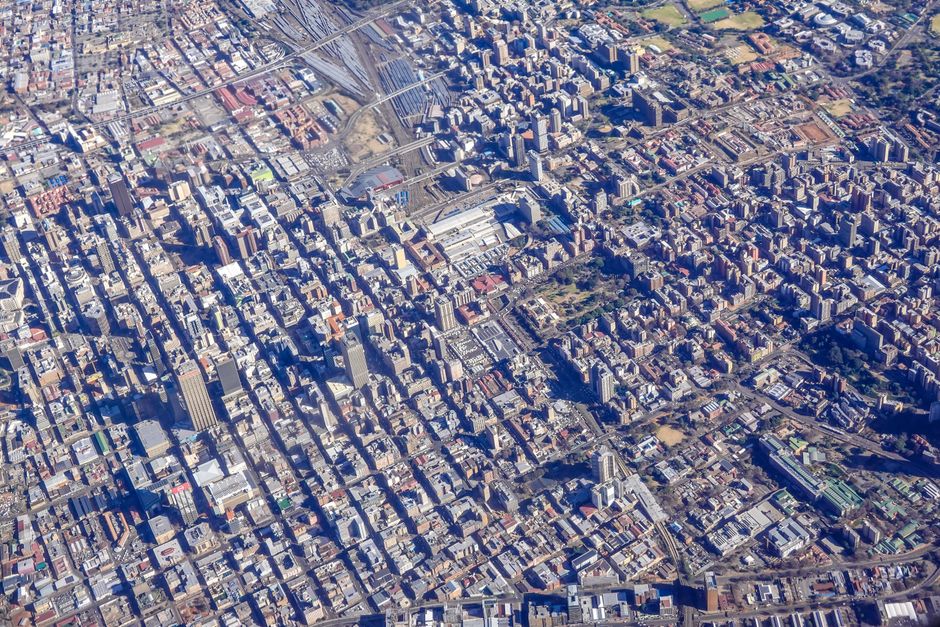
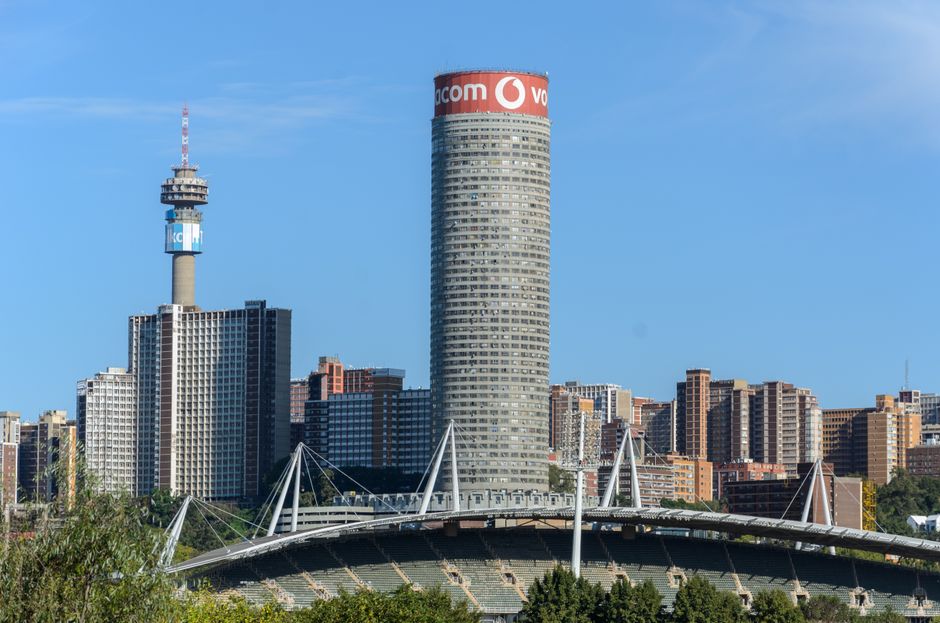
The gridlock on the M1 northbound at 7:45 a.m. on a Tuesday tells a familiar story to millions of Johannesburg commuters: a city built for yesterday's traffic patterns, struggling under today's weight. But this crisis didn't arrive overnight. It's the culmination of three decades of deferred decisions, competing priorities, and infrastructure neglect that has finally forced the municipality and national government into action.
When the Gauteng Development Plan was first drafted in the 1990s, Johannesburg's metropolitan area housed roughly 2.8 million people. Today, that figure has nearly doubled to 5.9 million. The transport networks—principally the Metrorail system, the road network, and informal minibus taxi routes—were designed for the smaller city. Investment simply hasn't kept pace. The Metrorail's peak ridership reached 2 million journeys daily in the early 2000s, but chronic underinvestment saw that collapse to below 600,000 by 2022.
The Rea Vaya Bus Rapid Transit system, launched in 2009, was meant to be the answer. Yet it operates at roughly 40% of projected capacity, with only 18 of the planned 22 corridors completed. A single monthly pass costs R795 for commuters who often earn between R6,000 and R12,000 monthly—a bitter affordability equation that kept many on the roads.
The turning point came in 2024 when the World Economic Forum downgraded Johannesburg's infrastructure competitiveness ranking, citing mobility challenges as a primary concern. That same year, congestion-related economic losses hit an estimated R47 billion annually according to transport economists. The calculation was stark: fix it now, or pay exponentially more later.
Enter the current R180 billion transport masterplan, which targets the O.R. Tambo airport corridor, the Sandton-Midrand axis, and critical Soweto connections. The Gauteng Rapid Rail project aims to link Pretoria, Johannesburg, and the Vaal Triangle. Meanwhile, the long-delayed completion of the M2 corridor through Eastgate finally advanced after 15 years of environmental disputes.
What makes this moment different is coordination. The City of Johannesburg, Gauteng Province, and the national Department of Transport have aligned timelines—a rarity in South African infrastructure planning. The Joburg City Improvement District, business chambers, and labour federations are unusually united on priority corridors.
Yet scepticism lingers. Previous master plans promised timely delivery; Rea Vaya's Phase 2 remains incomplete six years beyond schedule. Commuters on the M1, the N1, and minibus routes know promises well. This time, the pressure is different. Global competitiveness, economic data, and sheer demographic reality are driving the agenda—and unlike political promises, they don't bend.
This article was compiled by AI from the sources linked above and screened before publishing. See our editorial standards.