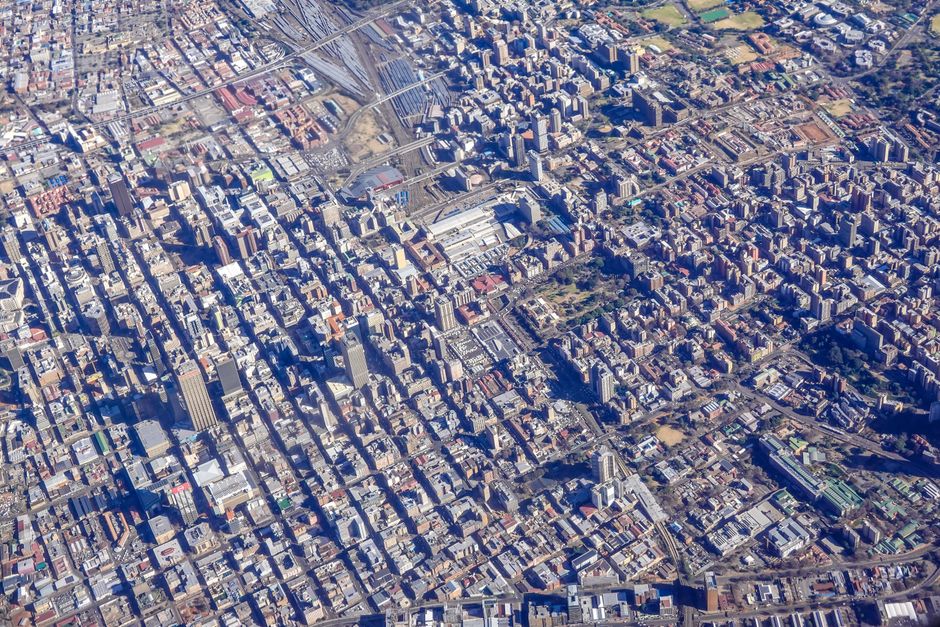
Walk through Braamfontein on any given Thursday evening, and you'll hear Amharic, Mandarin, Portuguese, and Swahili flowing between the craft breweries and tech hubs. This linguistic tapestry didn't emerge overnight. Johannesburg's multicultural identity is the product of more than a century of migration waves, each leaving indelible marks on neighbourhoods from Yeoville to Hillbrow, from the CBD's corridors of commerce to the increasingly diverse suburbs of the north.
The city's foundation was built on the 1886 gold rush, which drew fortune-seekers from across Europe and beyond. But the real transformation—the one that created modern multicultural Joburg—began after 1994. The fall of apartheid opened borders that had been rigidly controlled for decades. Between 1995 and 2010, Statistics South Africa recorded a 400% increase in foreign-born residents in Gauteng, with Johannesburg absorbing the lion's share.
Yeoville and Berea became the first major reception zones for migrants from Zimbabwe, the Democratic Republic of Congo, and Somalia. By the early 2000s, entire commercial strips along Raleigh Street had transformed, with shops displaying goods in languages rarely heard in the city before. Restaurant prices—averaging R85-120 for a plate of nyama choma or sadza—reflected these communities' purchasing power and entrepreneurial energy.
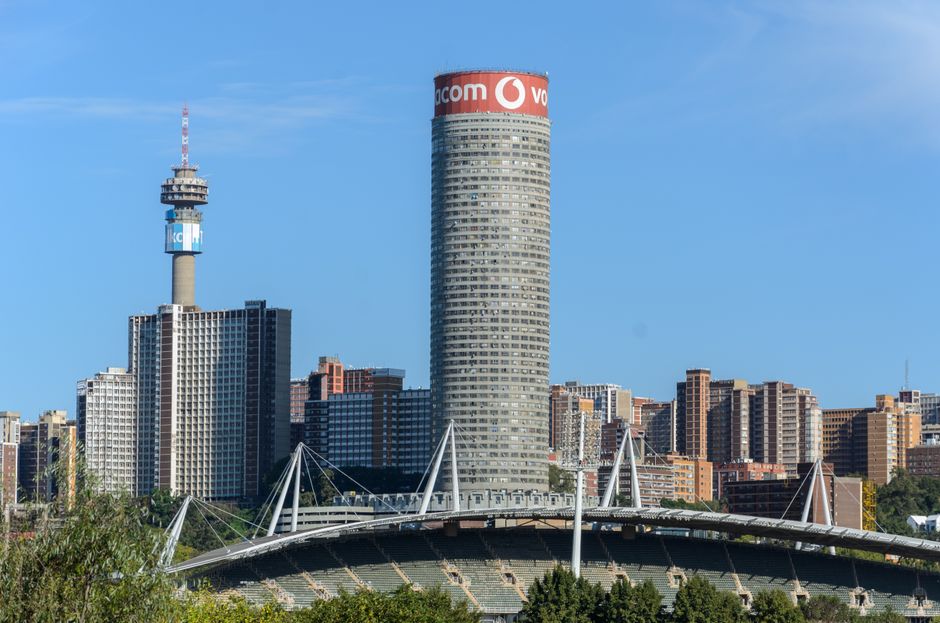
The 2008-2009 xenophobic violence represented a breaking point, forcing both newcomers and established residents to reckon with integration challenges. Yet organisations like the Witwatersrand University's African Centre for Cities and grassroots initiatives in Ponte City documented how communities rebuilt trust through shared economic interests and cultural celebration.
Today, estimates suggest nearly 20% of Johannesburg's metropolitan population of 6.7 million comprises foreign-born residents. The Chinese community in Chinatown (Doornfontein), Pakistani traders along Commissioner Street, and Ethiopian entrepreneurs in Fordsburg represent visible anchors of this diversity. But the story extends beyond commerce into education, healthcare, and civic participation.
Recent developments—including the DR Congo's Ebola outbreak and Venezuelan political crisis—remind us that Johannesburg's multicultural character remains deeply connected to global events. Migration isn't simply about individual ambition; it's shaped by geopolitical upheaval, economic desperation, and the persistent allure of opportunity that Johannesburg, despite its challenges, continues to represent.
Understanding this history is essential as the city grapples with housing pressure, service delivery demands, and questions about social cohesion. Our multicultural present wasn't inevitable—it resulted from specific historical moments and ongoing human choices.
This article was compiled by AI from the sources linked above and screened before publishing. See our editorial standards.