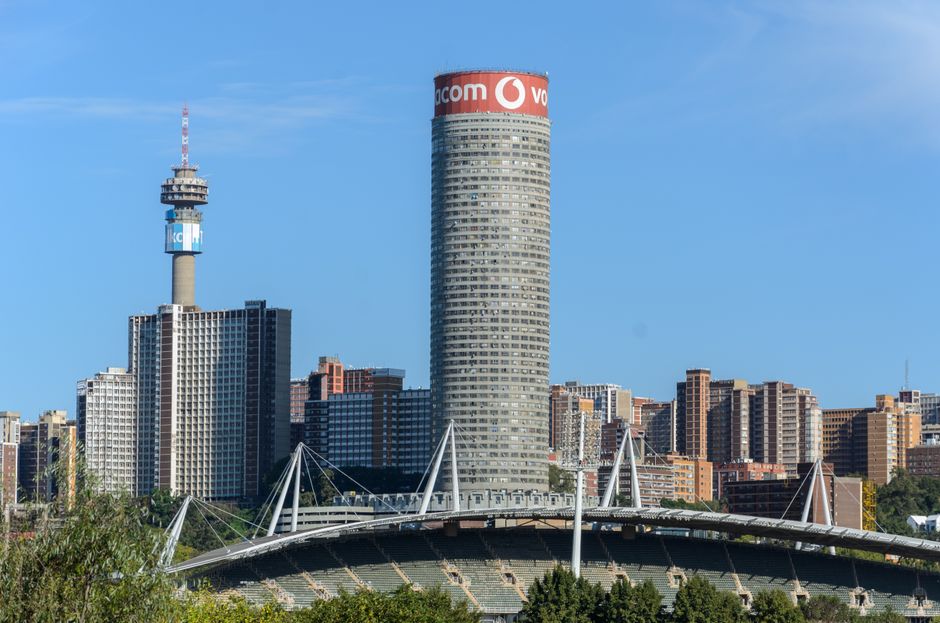
When a smash-and-grab robbery erupts on Sandton Drive during peak traffic, or when a shooting incident forces lockdowns in the Braamfontein precinct, Johannesburg's emergency response system must mobilise across sprawling distances and competing demands. A comparative analysis of how this city manages public safety reveals both promising advances and stark disparities when set against international counterparts.
The Johannesburg Metropolitan Police Department (JMPD) has invested in real-time crime centre technology, similar to systems deployed in London's Metropolitan Police and São Paulo's Coordenadoria de Polícia Metropolitana. The local control room in Johannesburg now monitors CCTV feeds across the CBD, Midrand, and Randburg—covering roughly 1,600 cameras. Yet while London's network comprises over 10,000 monitored cameras, Johannesburg's coverage remains patchier in high-risk zones like Hillbrow and parts of Alexandra.
Response times tell a sharper story. In central Johannesburg, emergency services achieve average response times of 12-15 minutes for priority calls—comparable to São Paulo's 13-minute average but lagging London's 8 minutes. Private security firms, which handle roughly 40% of emergency calls in affluent areas like Hyde Park and Morningside, often arrive faster—typically within 7 minutes—creating a two-tiered system that critics argue deepens inequality.
Ambulance response capabilities highlight another disparity. The Johannesburg Emergency Management Services operates approximately 180 ambulances across the municipality, serving a population of nearly 6 million. This translates to roughly one ambulance per 33,000 residents—significantly lower than London's ratio of one per 10,000. Private emergency medical services like ER24 supplement this gap in wealthier suburbs, but township areas including Soweto and Katlehong remain underserved.
Where Johannesburg shows international promise is in community-based innovation. The Safer Cities Forum and grassroots initiatives in areas like Observatory and Melville have partnered with municipal authorities to implement neighbourhood watch networks and rapid-response alert systems. These models draw inspiration from successful community policing in cities like Amsterdam, adapting them for local contexts.
However, systemic challenges persist. The JMPD's operational budget of R2.8 billion annually pales against London's £3.7 billion (approximately R80 billion) for the Metropolitan Police. This funding squeeze constrains officer recruitment, technology upgrades, and training programmes that cities like Singapore and Toronto have leveraged to reduce violent crime by 20-30% over the past five years.
As global cities grapple with rising violent crime, Johannesburg's trajectory offers instructive lessons—demonstrating that technology and community engagement can narrow gaps, but sustained investment remains non-negotiable.
This article was compiled by AI from the sources linked above and screened before publishing. See our editorial standards.