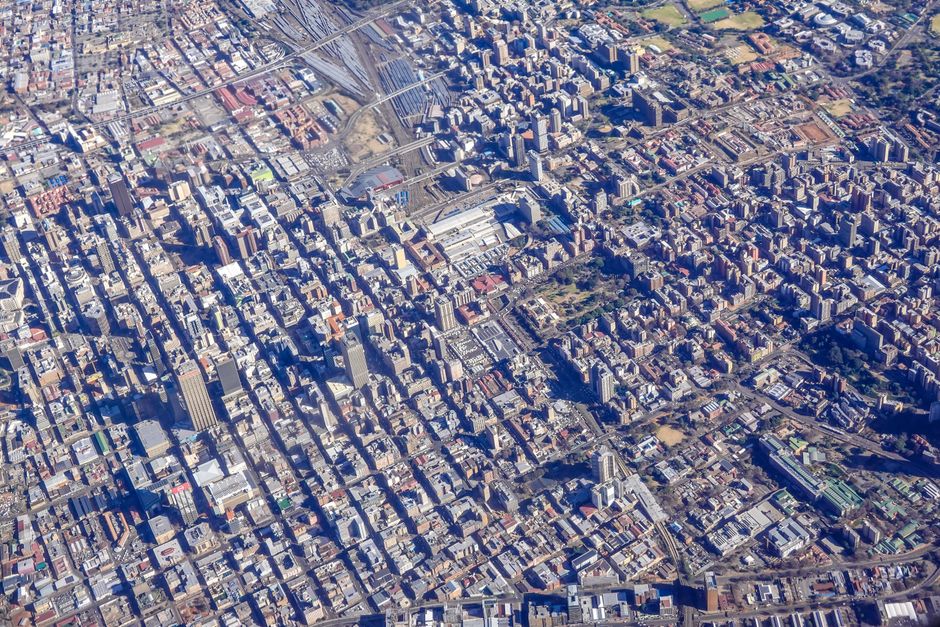
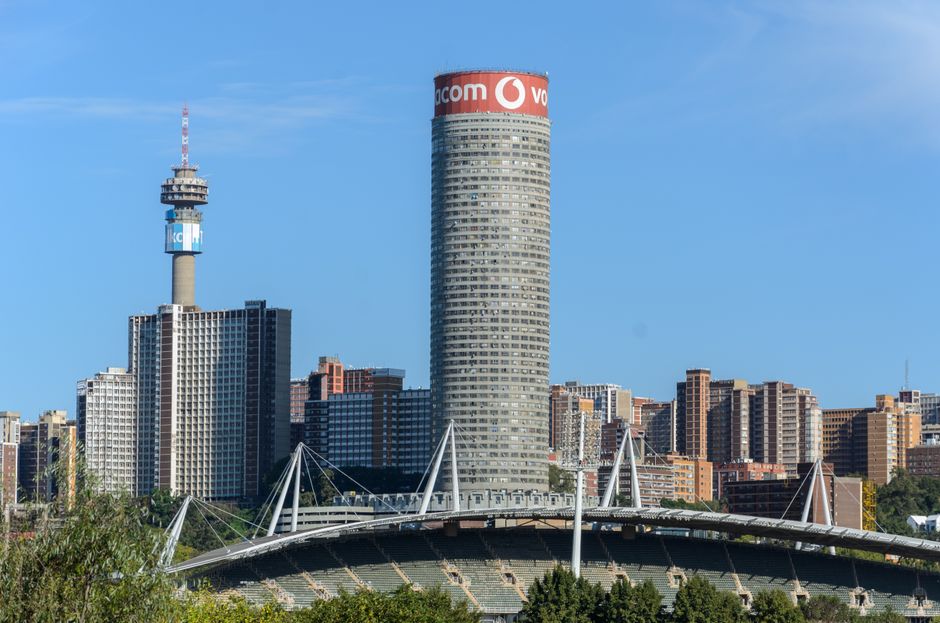
Johannesburg's housing challenge has reached a critical inflection point. With median property prices in sought-after areas like Sandton exceeding R4.5 million and informal settlements sprawling across the city's periphery, the municipality faces a housing deficit estimated at over 300,000 units—a problem that demands urgent, innovative solutions.
The contrast with peer cities is stark. While cities like Barcelona and Singapore have implemented aggressive mixed-income housing mandates requiring developers to include affordable units in new projects, Johannesburg's approach remains fragmented. The City's latest housing plan, adopted in 2024, prioritises rapid land release in the northern suburbs, but critics argue the strategy lacks the density-promoting zoning reforms that have transformed London's previously unaffordable neighbourhoods.
"What Johannesburg is doing differs significantly from international best practice," says research from the Johannesburg Institute for Advanced Study. Cities like Toronto and Melbourne have zoned vast urban areas for medium-density housing—allowing duplexes, triplexes, and small apartment blocks where single-family homes once dominated. Johannesburg's zoning remains restrictive in inner-city areas like Braamfontein and Maboneng, where heritage protections and height restrictions limit development potential.
The numbers tell a sobering story. While Vienna spends approximately 15% of its municipal budget on social housing, providing affordability for over 60% of residents, Johannesburg's budget allocation remains constrained. Property rentals in the CBD have climbed 8% annually since 2022, pricing out young professionals and service workers.
Yet there are glimmers of progress. The Inner City Property Owners Association has partnered with the municipality on selective regeneration projects in Newtown and around the Maboneng precinct, though these remain limited in scope. Meanwhile, Johannesburg's informal settlement upgrading programme—targeting areas like Orange Farm and Kliptown—aims to deliver 50,000 serviced stands by 2030, modelled partially on South Africa's successes in Port Elizabeth.
International observers note that Johannesburg's connectivity challenges compound the housing crisis. Unlike Singapore, where integrated transport links new housing developments to employment centres, or Berlin, where suburban expansion follows public transit corridors, Johannesburg's sprawl often outpaces infrastructure investment.
The municipality faces a choice: continue incremental, area-specific interventions, or adopt the systemic reforms—inclusionary zoning, transit-oriented development, and radically simplified approval processes—that have demonstrably increased housing supply in global rivals. Without decisive action, Johannesburg risks deeper spatial inequality and continued informal settlement growth.
This article was compiled by AI from the sources linked above and screened before publishing. See our editorial standards.