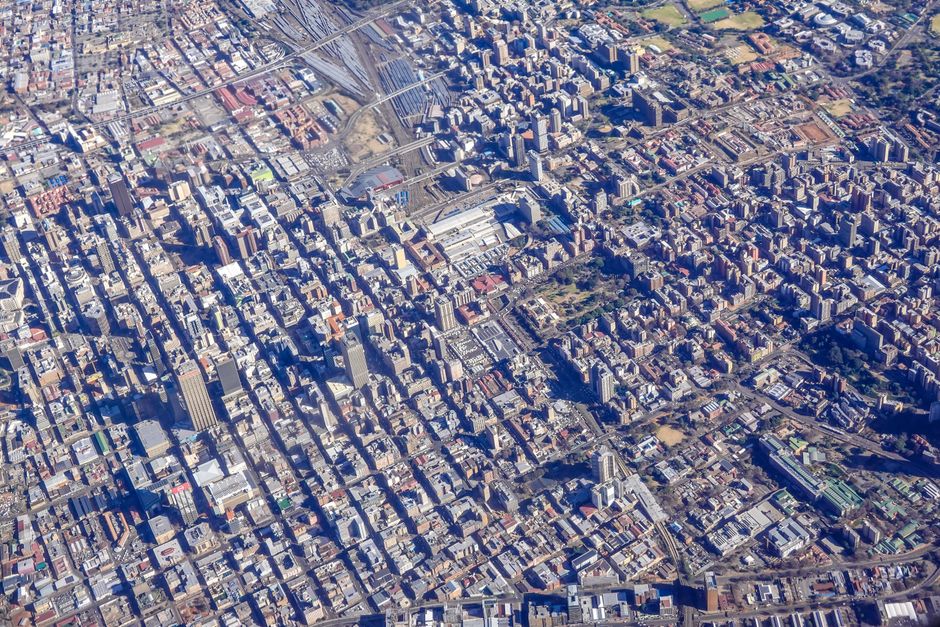
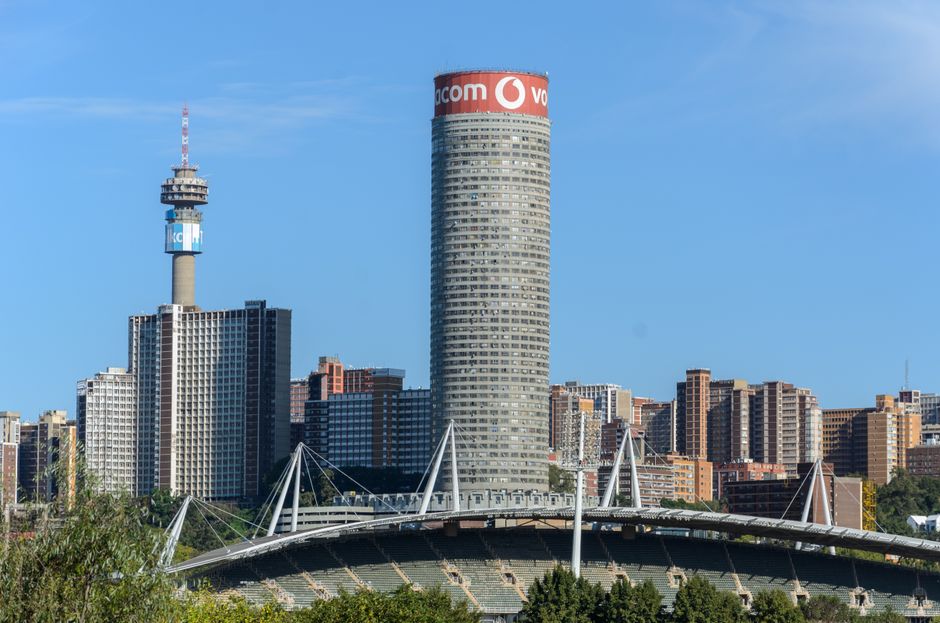
As Johannesburg grapples with water scarcity, air quality concerns and rapid urbanisation, a chorus of voices from government, academia and the private sector is articulating an increasingly ambitious sustainability agenda for Africa's largest metropolitan area.
The City of Johannesburg's Environmental Management Department has signalled a commitment to reducing municipal carbon emissions by 40% by 2030, according to statements made during recent infrastructure consultations in Sandton. Officials have identified public transport expansion and building retrofitting as priority areas, with particular focus on the central business district and emerging nodes like the Waterfall precinct.
Dr. Thabo Mthembu, director of the Environmental Leadership Programme at the University of the Witwatersrand, emphasised the urgency of addressing Johannesburg's deteriorating air quality. "Our city records PM2.5 levels regularly exceeding World Health Organization guidelines," he noted in recent academic forums, citing research that links poor air quality to respiratory diseases affecting thousands of residents across townships and suburbs alike.
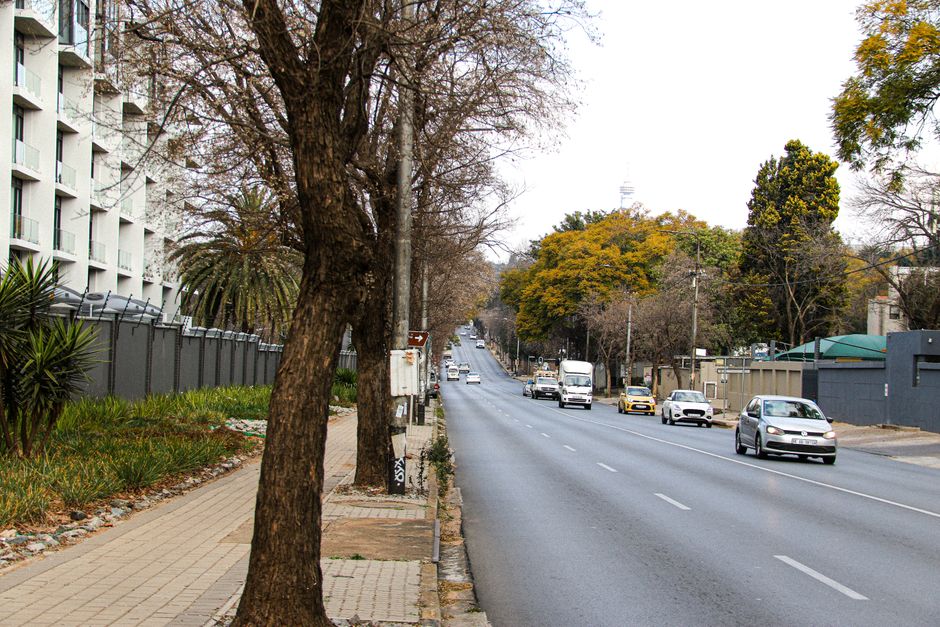
The private sector has not remained silent. Major property developers operating along Rivonia Road and in Bryanston have begun integrating green building standards into new commercial projects, reflecting investor pressure and emerging tenant preferences. Water efficiency has become particularly acute following the 2023-2024 drought that threatened supply lines from the Vaal River system.
Nosipho Dlamini, spokesperson for the Johannesburg Environmental Justice Network, has called for greater equity in how climate initiatives are distributed across the city's 6 million residents. "Wealthy areas like Sandton have resources to implement solar panels and water harvesting," she stated during a recent community forum in Alexandra. "We need targeted interventions in townships where informal settlements face the greatest climate vulnerability."
The city's waste management strategy has drawn particular scrutiny. Officials have outlined plans to divert 65% of municipal waste from landfills by 2028, yet implementation at facilities like Linbro Park landfill remains inconsistent. Environmental consultants argue that recycling infrastructure in areas like Soweto and the East Rand requires substantial investment currently lacking in municipal budgets.
Energy transition conversations centre on Johannesburg's heavy reliance on coal-generated power from the national grid. City planners have signalled support for renewable energy procurement agreements, though load-shedding pressures continue to constrain municipal operations and business confidence.
As climate impacts intensify—from flooding in Lenasia to increased heat stress in densely populated areas—the alignment between official rhetoric and on-the-ground action will determine whether Johannesburg can genuinely transition toward sustainability or merely gesture toward it.
This article was compiled by AI from the sources linked above and screened before publishing. See our editorial standards.