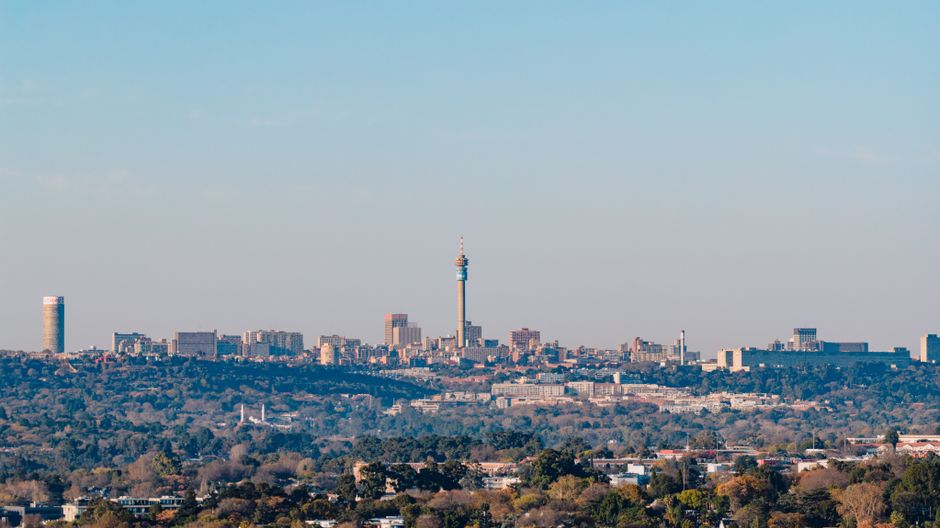
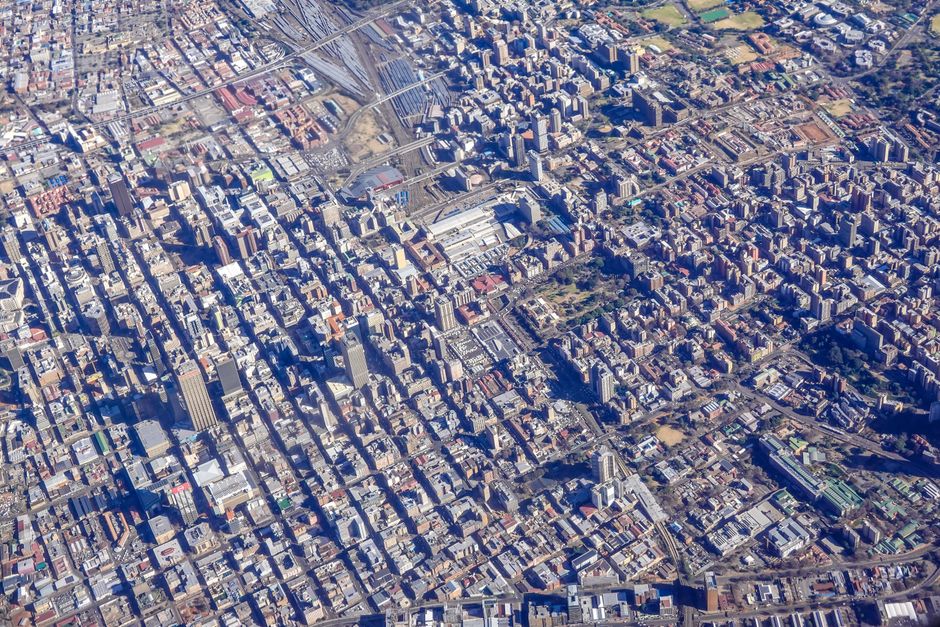
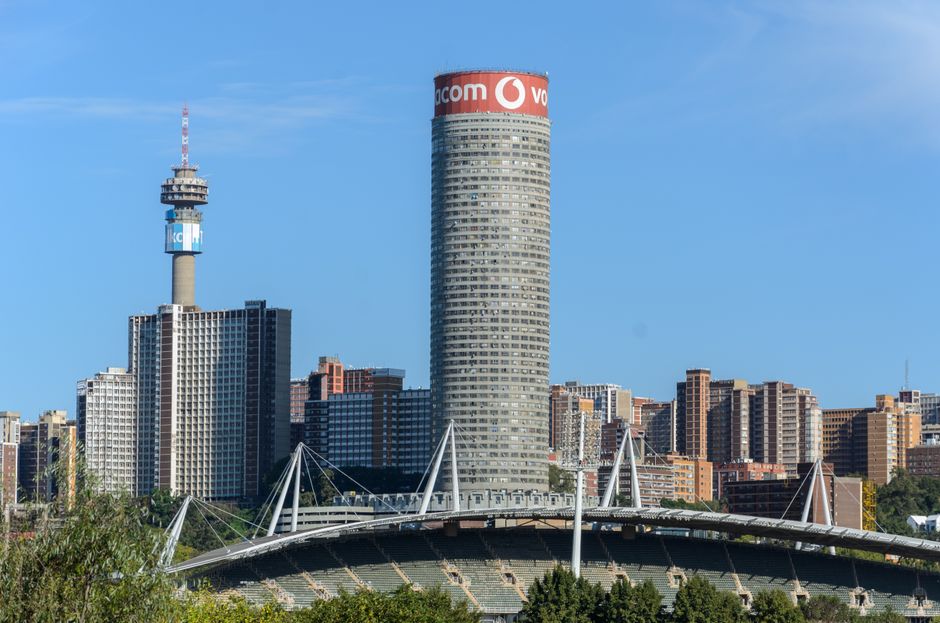
For commuters threading through Soweto, Sandton, and Alexandra each morning, Johannesburg's transport infrastructure isn't abstract policy—it's the difference between a 45-minute commute and nearly two hours. Yet as the city commits billions to redefining its arteries, from the Rea Vaya bus rapid transit system expansion to ongoing freeway upgrades, residents are often left navigating announcements rather than being consulted partners in transformation.
The Metropolitan Municipality's Rea Vaya extension programme, which has invested over R30 billion since 2009, continues pivoting toward orbital routes connecting Alex to Sandton and Soweto's inner precincts. While ambitious, the project's impact on local economies tells a more complex story. Small traders along Empire Road and in Braamfontein saw initial disruption during construction phases, with some reporting foot traffic losses exceeding 30 percent. Recovery has been gradual, and communication about future phases remains inconsistent at neighbourhood level.
The Gauteng Freeway Improvement Project, meanwhile, carries its own contentious legacy. Tolling via the e-tag system has cost commuters from outlying areas like Randfontein and Thembisa significantly more—studies suggest an average household spends between R1,800 and R2,400 monthly on tolls alone. For working families, this represents roughly 8 percent of transport budgets, squeezing already tight finances and raising questions about equity in infrastructure planning.
Community organisations like the Johannesburg Development Agency and ward committees argue the disconnect is genuine. Infrastructure decisions are framed in technical specifications—corridor corridors, modal shifts, network density—rather than lived reality. A nurse commuting from Mitchells Plain to Chris Hani Baragwanath Hospital doesn't calculate return-on-investment; she calculates whether she can afford fuel, tolls, and still feed her family.
What residents and advocacy groups emphasise is that transport infrastructure shapes neighbourhood vitality. When minibus taxi routes are disrupted without alternative corridor planning, informal economy nodes collapse. When bus trunk routes improve access to job centres, school enrolment rises in adjacent townships. When freeway tolls rise without corresponding salary adjustments, spending power in local retail plummets.
The city's upcoming transport master plan review offers a window for genuine community participation. Residents of Johannesburg—from the inner city's gentrifying pockets to Soweto's sprawling networks—deserve more than consultation theatre. They deserve decision-making voices in projects that will define how they move, work, and build futures across this sprawling metropolis.
Infrastructure investment is essential. But without centring community impact from the outset, Johannesburg risks building systems that serve mobility data rather than actual lives.
This article was compiled by AI from the sources linked above and screened before publishing. See our editorial standards.