Braamfontein's New Community Hub Reshapes How Neighbours Connect—And Why Local Residents Say It's Overdue
As Johannesburg's urban fabric fragments, one neighbourhood shows how grassroots spaces are quietly healing divisions and building resilience.
As Johannesburg's urban fabric fragments, one neighbourhood shows how grassroots spaces are quietly healing divisions and building resilience.
When the Braamfontein Community Centre opened its doors on Main Road last month, fewer than 50 people attended the launch. By week three, the converted heritage warehouse was hosting 300 residents weekly—a surge that caught even its founders off guard.
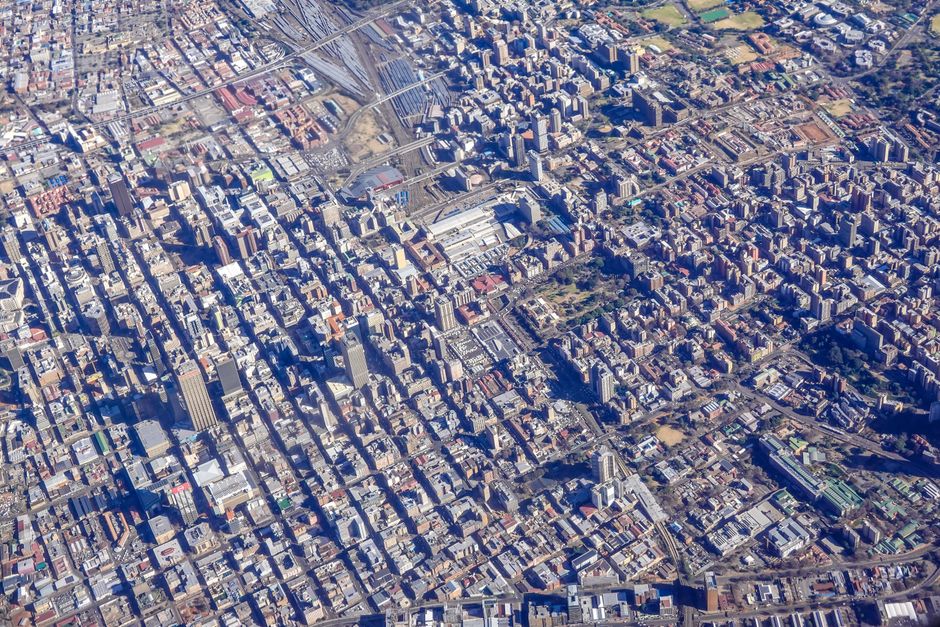
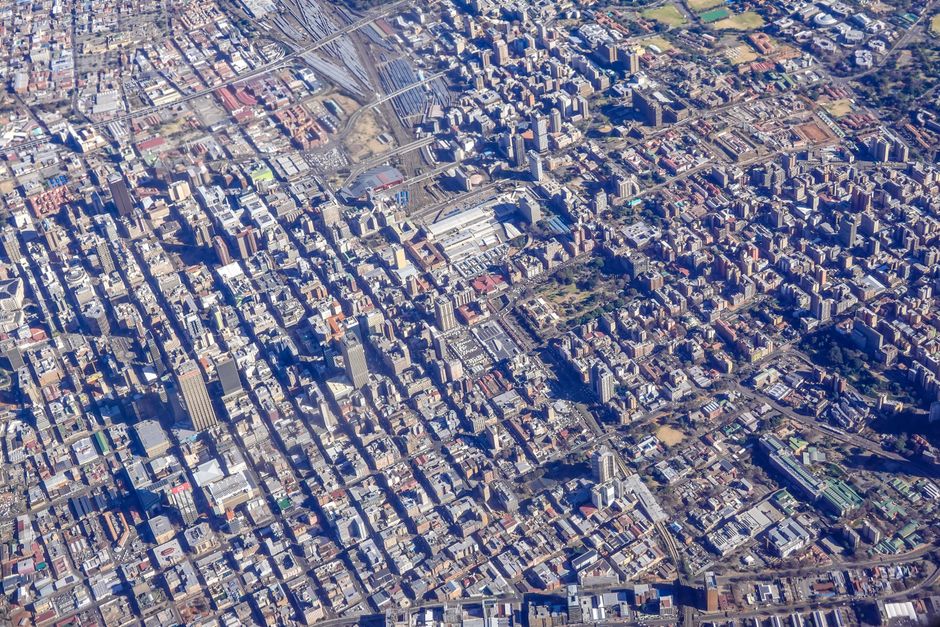
The space, occupying a restored 1980s printing factory between Smit and Claim Streets, addresses a gap that's been widening across Johannesburg's inner-city neighbourhoods for over a decade. As gentrification accelerates in areas like Braamfontein, Maboneng, and Fordsburg, informal networks that once held communities together have fractured. Residents now live in vertical silos—apartment blocks where neighbours remain strangers—while public gathering spaces have become commodified or unsafe.
"We don't have neutral ground anymore," says Naledi Tshabalala, a small business owner on Fox Street who's been documenting neighbourhood change for a local think tank. "Everything costs money. A coffee at a mall, a seat at a restaurant. Where do ordinary people meet?"
The centre operates on a sliding-scale model: free for pensioners and unemployed residents; R25–R50 for employed adults. It hosts English conversation groups, parenting workshops, job-skills training, and youth mentorship programmes. A food garden on the rooftop—producing vegetables that feed the on-site soup kitchen—was designed by residents themselves.
Data from the Johannesburg Development Agency shows that neighbourhood social cohesion in central areas like Braamfontein has declined measurably. A 2024 survey found that 67% of inner-city residents couldn't name three neighbours, compared to 41% a decade earlier. Crime-reporting mechanisms have weakened in proportion: fewer residents participate in community policing forums, partly because they lack spaces where trust can develop.
The centre's early impact suggests something counterintuitive: Johannesburg's most fragmented communities are hungry for connection, not resistant to it. Within four weeks, a neighbourhood watch coalition had reformed. A WhatsApp group created to coordinate the centre's activities evolved into a street-level information network about municipal issues, load-shedding schedules, and safety alerts.
This matters because it challenges a persistent narrative about urban Johannesburg—that density breeds alienation, that diversity fragments community. Instead, the Braamfontein model suggests that with intentional design and accessibility, neighbourhoods can knit themselves back together. As the city struggles with service delivery and social inequality, these grassroots hubs offer something municipal bureaucracy cannot: neighbours who know each other, trust each other, and can mobilise quickly when crisis hits.
Three similar centres are planned for Hillbrow, Yeoville, and Newtown by year's end.
This article was compiled by AI from the sources linked above and screened before publishing. See our editorial standards.
How does this story make you feel?
Spread the word
About this article
Published by The Daily Johannesburg
Daily brief
Free, in your inbox before 7am. Weekdays.
More in News