Johannesburg Parents Voice Frustration Over Ongoing School Infrastructure Crisis
Community members in Soweto and Alexandra township speak out about deteriorating facilities and overcrowding that threatens their children's education.
Community members in Soweto and Alexandra township speak out about deteriorating facilities and overcrowding that threatens their children's education.
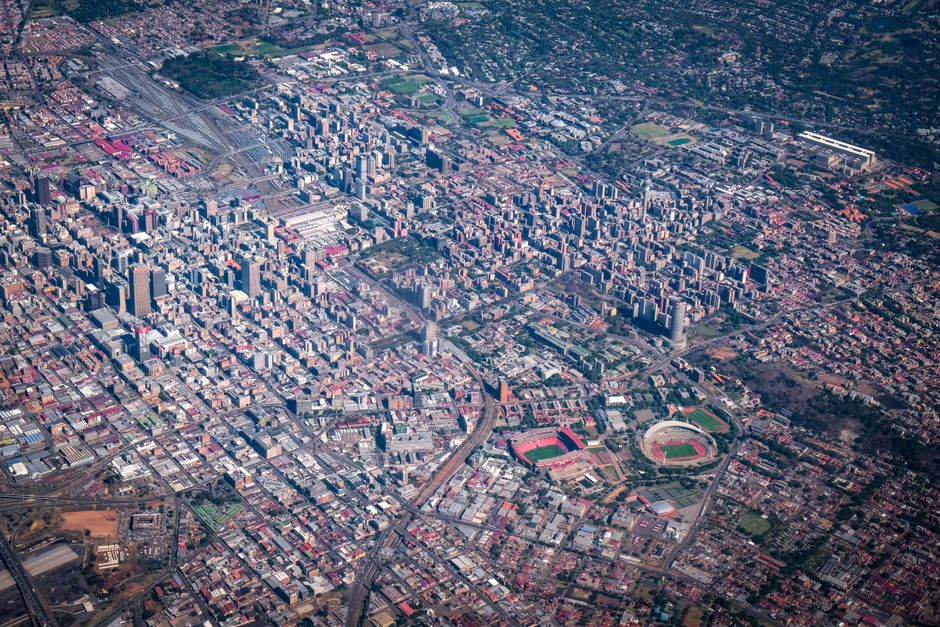
The frustration is palpable in the townships surrounding Johannesburg, where parents and guardians are increasingly vocal about the state of school infrastructure that has left thousands of learners struggling in overcrowded classrooms with inadequate resources.
Residents in Soweto and Alexandra have taken to community meetings and social media platforms to express their concerns about conditions that many say amount to a crisis. At schools along Vilakazi Street in Soweto, where some institutions serve upwards of 1,200 learners in facilities designed for significantly fewer students, the strain is evident. Multiple sources from within these communities report that leaking roofs, broken windows, and inadequate sanitation facilities have become the norm rather than the exception.
The situation has prompted informal networks of concerned parents to organise themselves, documenting infrastructure failures through photographs and attendance records. These grassroots efforts have illuminated disparities between schools in more affluent areas like Sandton and those serving township communities. Anecdotal reports suggest some township schools operate with fewer than three functional toilets for every 200 learners, well below the Department of Education's recommended standards.
University-bound learners from township schools face additional hurdles. Guidance counsellors report that inadequate laboratory facilities and limited access to digital learning resources in secondary schools throughout the greater Johannesburg area have left matriculants from these areas less prepared for tertiary education demands. This has direct implications for admission rates to institutions like the University of the Witwatersrand and Johannesburg University.
Community leaders from the Diepsloot and Ivory Park informal settlements have highlighted how infrastructure challenges extend beyond physical buildings. Parents describe struggles with irregular teacher attendance and unavailable learning materials, creating a cascading effect on educational outcomes. Several organised parent committees have begun documenting these issues systematically, presenting evidence to local ward councillors and provincial education officials.
The economic impact of poor infrastructure cannot be overlooked. Parents and guardians speak of the hidden costs—additional tutoring expenses to compensate for teaching gaps, transportation costs when schools lack resources, and opportunity costs as children repeat grades due to inadequate instruction.
While provincial education authorities have announced plans for infrastructure upgrades in Gauteng, community members express scepticism about timelines and genuine commitment. As one parent representative from Soweto stated in community forums, accountability and transparency in resource allocation remain central demands from affected families who have grown weary of empty promises.
The voices from Johannesburg's township communities are clear: meaningful change requires immediate action and sustained community oversight.
This article was compiled by AI from the sources linked above and screened before publishing. See our editorial standards.
How does this story make you feel?
Spread the word
About this article
Published by The Daily Johannesburg
Daily brief
Free, in your inbox before 7am. Weekdays.
More in News