Johannesburg's housing crisis demands bolder action than global counterparts are taking
While cities like Singapore and Vienna pioneer mixed-income models, South Africa's economic powerhouse still struggles with fragmented policy.
While cities like Singapore and Vienna pioneer mixed-income models, South Africa's economic powerhouse still struggles with fragmented policy.
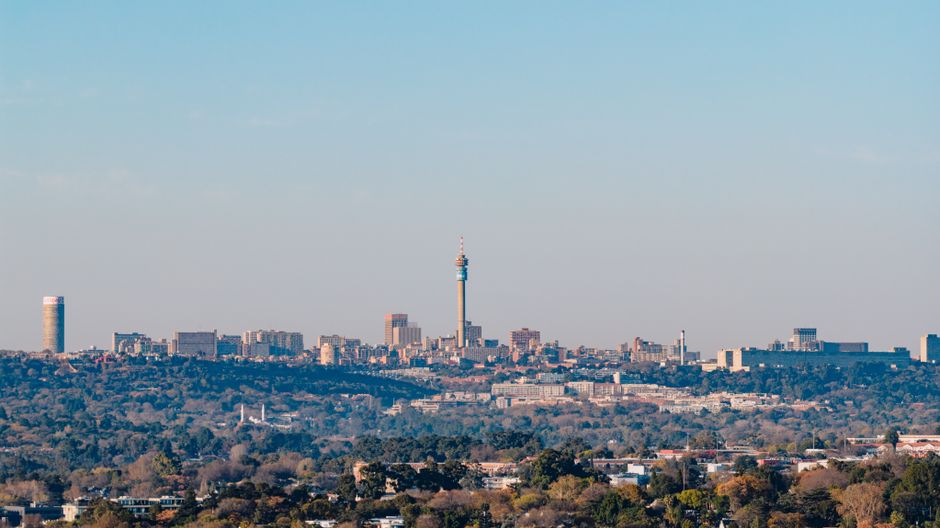
As Johannesburg grapples with a housing shortage that leaves roughly 3.5 million residents in inadequate conditions, city planners are watching how global peers tackle similar crises—and finding uncomfortable lessons in their own approach.
The comparison is sobering. Vienna, with a population under two million, maintains a social housing stock of nearly 60 percent through aggressive municipal investment. Singapore's Urban Redevelopment Authority has transformed sprawling informal settlements into integrated townships. Yet Johannesburg's social housing programme, managed by the Johannesburg Housing Company, remains severely underfunded relative to demand.
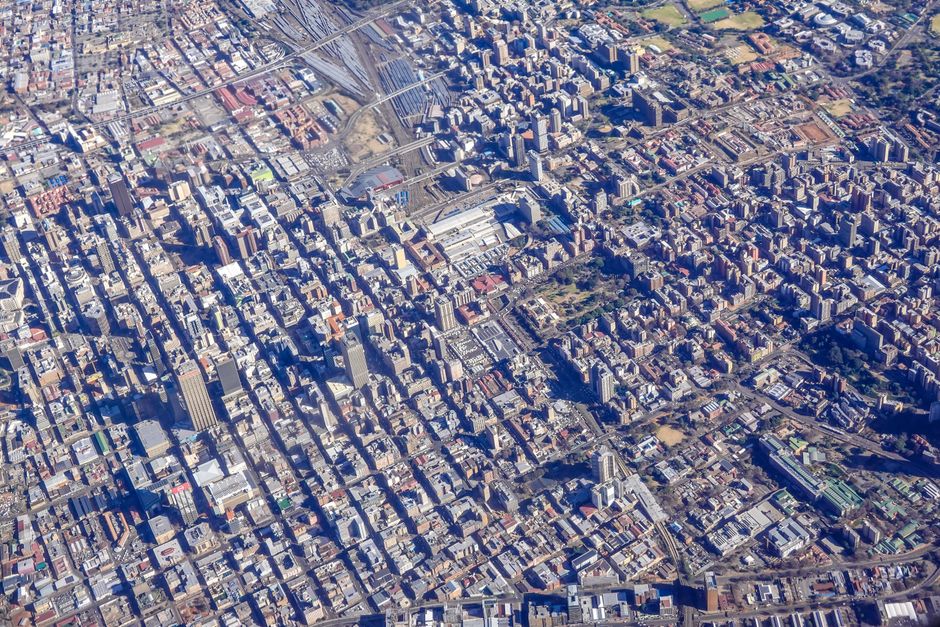
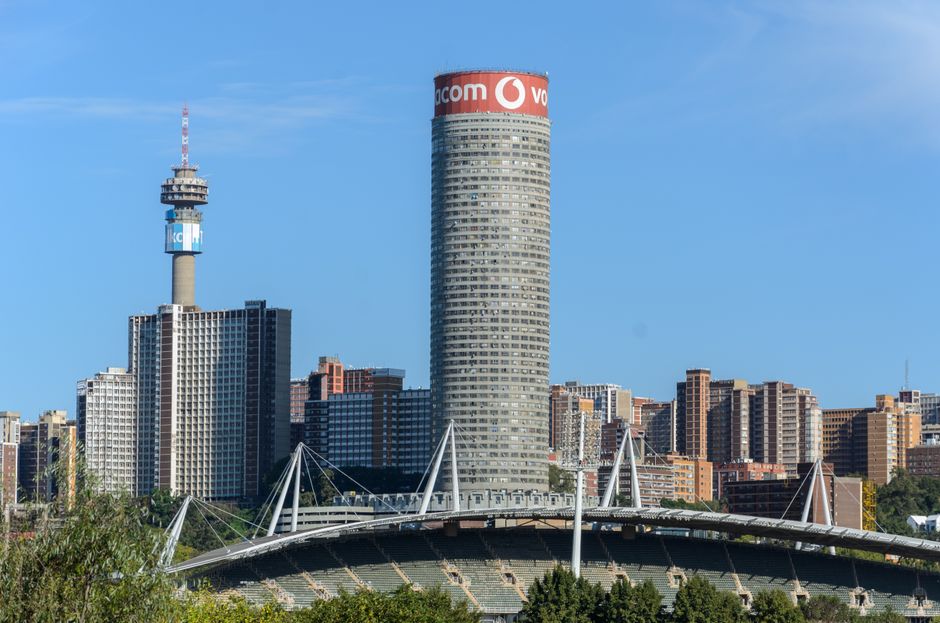
Recent developments around the Johannesburg CBD illustrate the disconnect. While the city's master plan calls for inner-city revitalisation along corridors like Fox Street and Maboneng, actual delivery lags. A one-bedroom apartment in Maboneng now averages R18,000 monthly—pricing out precisely the working families the strategy claims to serve. Meanwhile, sprawling informal settlements persist in Alexandra, Diepsloot and Soweto's outer reaches, trapped in the very spatial inequality authorities promised to address.
"We've borrowed language from international best practice without the financial commitment," explains housing analyst commentary within local development circles. The city's Spatial Development Framework emphasises densification and mixed-income communities, mirroring approaches championed in Barcelona and Toronto. Yet implementation remains patchy. Projects like Fleurhof in Johannesburg's north have demonstrated how well-designed affordable housing can work, but scaling requires resources Johannesburg hasn't mobilised.
The city also struggles with coordination. Unlike Seoul, which consolidated housing delivery under a single agency, Johannesburg's responsibilities scatter across multiple departments. The Provincial Department of Human Settlements, City entities, and private developers operate with limited synchronisation. This fragmentation means opportunities slip away—vacant municipal land sits idle while homeless encampments expand nearby.
International peers have shown that aggressive zoning reform helps. Vancouver relaxed single-family restrictions; Dublin accelerated apartment approvals. Johannesburg's zoning framework remains conservative, limiting supply even in promising areas like Fordsburg and Hillbrow, where rising demand could justify density increases.
The window for learning from global examples remains open. Some Johannesburg officials point toward Lisbon's housing rehabilitation subsidies as a template. Others advocate for Shenzhen-style public-private partnerships to accelerate delivery. Yet without significantly increased budgeting and political will to reform outdated planning codes, Johannesburg risks watching these models produce results elsewhere while its own crisis deepens.
This article was compiled by AI from the sources linked above and screened before publishing. See our editorial standards.
How does this story make you feel?
Spread the word
About this article
Published by The Daily Johannesburg
Daily brief
Free, in your inbox before 7am. Weekdays.
More in News