By The Numbers: What Johannesburg's Housing Crisis Looks Like in Data
New municipal statistics reveal the scale of the city's urban planning challenge as demand for affordable housing outpaces supply by a factor of five.
New municipal statistics reveal the scale of the city's urban planning challenge as demand for affordable housing outpaces supply by a factor of five.
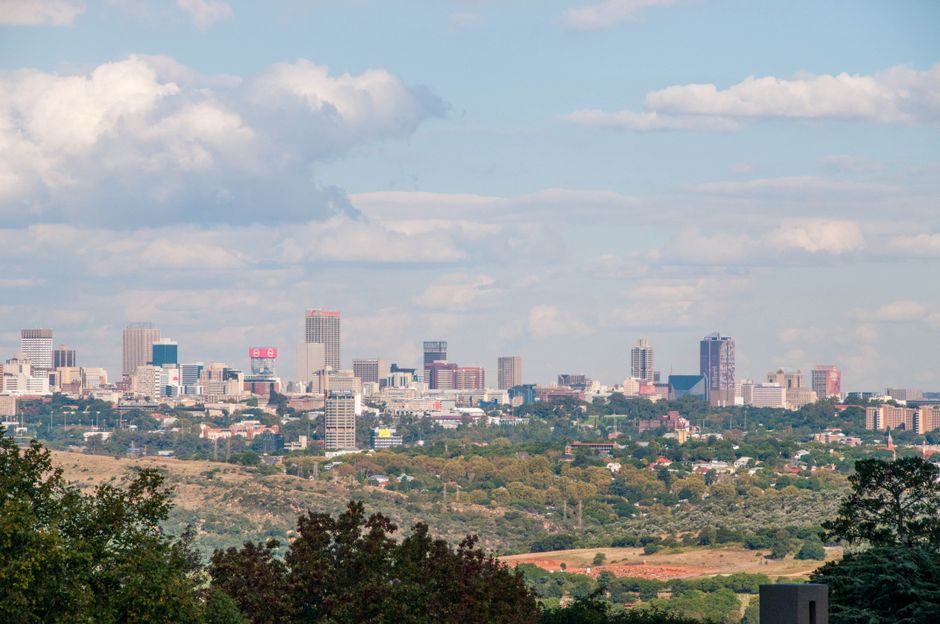
Johannesburg's housing crisis is no longer anecdotal—the numbers paint a stark picture of a city struggling to house its growing population. According to data released this month by the City of Johannesburg's Development Planning Department, the municipality faces a backlog of approximately 387,000 housing units, a figure that has grown by 22 percent since 2022.
The statistics underscore a fundamental planning failure. While the city's population has expanded to an estimated 6.2 million residents, formal housing delivery has stalled. Last year, the municipality completed just 8,743 units across all housing categories—a figure that would require 44 years to clear the current backlog at the present rate. For context, that amounts to roughly 2.3 units per 1,000 residents annually, well below the national benchmark of 5 units per 1,000.
The data reveals geographic disparities that are difficult to ignore. In Alexandra, one of Johannesburg's oldest townships, informal settlement density has reached 1,247 people per hectare according to a recent municipal survey—more than double the recommended urban density standard. Meanwhile, developments like those in Waterfall and Midrand, areas already serviced with bulk infrastructure, account for 64 percent of all housing approvals issued since 2023, suggesting planning decisions continue to favour peripheral expansion over infill development in established areas.
Property market data tells another cautionary tale. The median price of a two-bedroom townhouse in Braamfontein has climbed to R2.1 million, while rental costs in the CBD have surged by 18 percent year-on-year. By contrast, the average household income in Soweto remains at approximately R6,500 monthly, making homeownership mathematically impossible for the majority of the city's residents. This income-to-property-price ratio of 1 to 269 ranks among the worst in the country.
The City's own housing policy targets acknowledge that 68 percent of new units should be allocated to households earning below R3,500 monthly. Yet recent approvals data shows only 31 percent of new units fall within this category. The mismatch between policy intention and implementation is quantifiable and damning.
Urban planners and housing advocates argue these figures demand urgent intervention. The city's Integrated Development Plan allocates R4.2 billion for housing over the next five-year cycle, but analysts suggest this represents merely 11 percent of the capital required to address the backlog meaningfully. Without significant policy realignment—and the budget commitments to match—Johannesburg's housing data will continue its grim trajectory upward.
This article was compiled by AI from the sources linked above and screened before publishing. See our editorial standards.
How does this story make you feel?
Spread the word
About this article
Published by The Daily Johannesburg
Daily brief
Free, in your inbox before 7am. Weekdays.
More in News