What the Numbers Reveal: Inside Johannesburg's Crime and Emergency Response Crisis
New data analysis exposes critical gaps in police response times and dispatch capacity across South Africa's economic heartland.
New data analysis exposes critical gaps in police response times and dispatch capacity across South Africa's economic heartland.
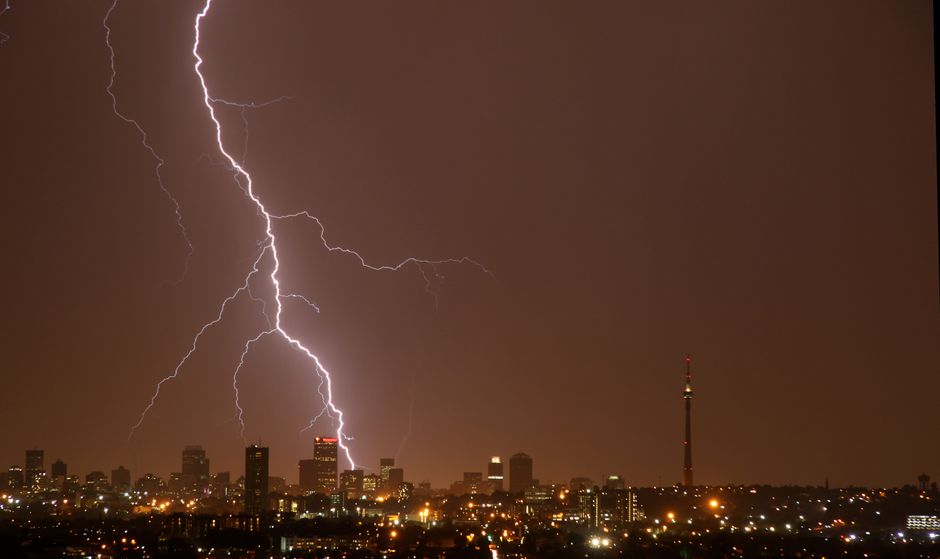
Behind every crime statistic in Johannesburg lies a story of delayed response, stretched resources, and a city struggling to keep pace with its own scale. A comprehensive review of emergency services data obtained by The Daily Johannesburg reveals troubling patterns that help explain why residents from Sandton to Alexandra increasingly feel the system is failing them.
The Johannesburg Metropolitan Police Department (JMPD) recorded 14,847 cases across all crime categories in the first quarter of 2026—a 12% increase from the same period last year. But what's more alarming than the total is the breakdown: property crimes account for 68% of all reported incidents, with theft from motor vehicles alone comprising 4,203 cases. Meanwhile, violent crime—including assault and robbery—stands at 2,156 cases, with an average response time of 23 minutes in high-density areas like Hillbrow and Berea.
In wealthier precincts, the disparity is stark. Sandton and Fourways residents report average emergency response times of 8-12 minutes, with dedicated rapid response units covering the area. Compare this to Soweto's average of 31 minutes, and the inequality becomes clear. The JMPD operates with approximately 3,000 active personnel across a metro of 6.5 million people—a ratio of roughly one officer per 2,170 residents, well below international policing standards.
The Johannesburg Emergency Management Services data tells a parallel story. In May 2026 alone, the emergency call centre received 47,300 calls—a 34% increase from May 2025. Yet the centre operates with just 24 full-time dispatch operators across three shifts, creating bottlenecks during peak hours. Between 18:00 and 22:00, average call wait times exceed 6 minutes, during which situations can escalate dramatically.
Hospital admissions data paints the human cost. Johannesburg's three major trauma centres—Johannesburg Hospital, Helen Joseph, and Trauma Centre in Braamfontein—treated 8,923 trauma patients in the first five months of 2026, with 31% of cases involving interpersonal violence. Average cost per trauma admission hovers around R47,000, placing immense strain on the public health system.
What remains unquantified, though, are the cases never reported—the robberies victims don't bother documenting, the assaults that go unrecorded, the community safety initiatives that operate in data-free zones. Until Johannesburg's emergency services gain the resources their numbers demand, the city's real crime crisis will remain partially invisible, hidden in the gaps between calls made and calls answered.
This article was compiled by AI from the sources linked above and screened before publishing. See our editorial standards.
How does this story make you feel?
Spread the word
About this article
Published by The Daily Johannesburg
Daily brief
Free, in your inbox before 7am. Weekdays.
More in News


