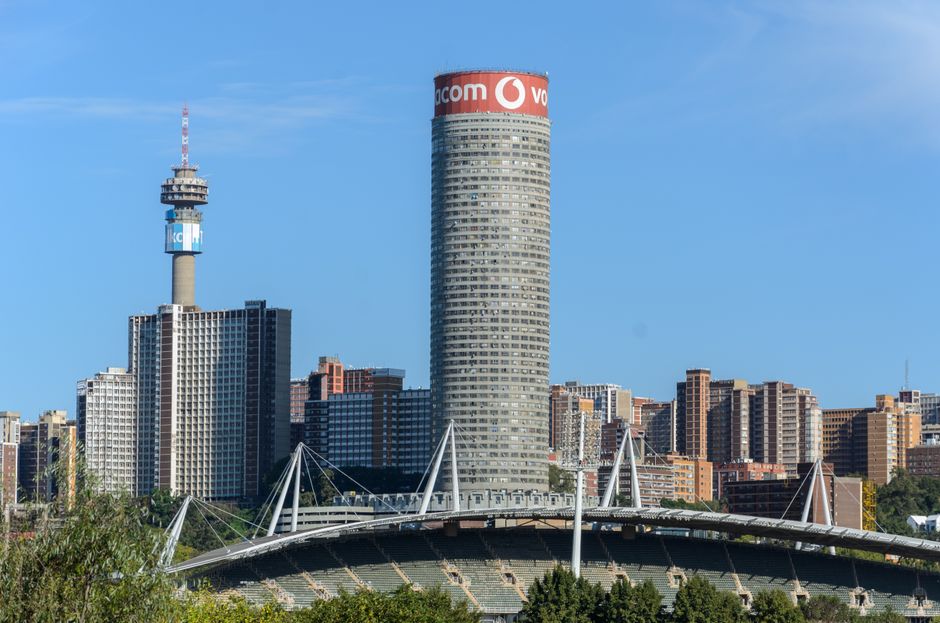
Johannesburg's transport infrastructure ambitions are at a critical juncture. With the Rea Vaya bus rapid transit system now operating across 180 kilometres of dedicated lanes and plans to extend the Gautrain to OR Tambo International Airport by 2027, the city is attempting a simultaneous reinvention of its mobility landscape—a feat that reveals both promise and persistent challenges when measured against comparable global cities.
The R24 billion Gautrain project, which connects Johannesburg to Pretoria and the airport, has become a reference point for how African megacities tackle transport modernisation. Yet when compared to similar infrastructure initiatives globally, Johannesburg's progress reveals a story of mixed results. London's Elizabeth Line, which cost £18.9 billion and took 17 years to complete, transformed commuter patterns when it opened in 2022. São Paulo's Metro expansion, meanwhile, continues to struggle with funding gaps despite serving over 5 million daily passengers. Dubai's rapid transit network, built in less than a decade with sustained political will and funding, demonstrates what investment priority can achieve.
The Rea Vaya system, which carries roughly 350,000 passengers daily across its Johannesburg routes—primarily connecting Soweto to the Johannesburg CBD and spreading into areas like Alexandra and Orange Farm—represents the city's most ambitious public transport commitment. Yet transport experts note that maintenance costs have escalated, with operational expenses rising 23 percent since 2023, straining municipal budgets in ways that London and Dubai avoided through dedicated revenue streams.
What distinguishes Johannesburg's approach is its focus on spatial integration. The planned connections linking Rea Vaya's Sandton corridor with the Gautrain at Marlboro Station aim to create seamless transfers—something that took London's transport authority decades to achieve. However, last-mile connectivity remains problematic. Unlike Singapore's integrated ticketing system or Copenhagen's seamless metro-to-cycling infrastructure, Johannesburg's commuters often face fragmented payment systems and incomplete pedestrian networks around major transit hubs.
The city's informal transport sector—the minibus taxis that move an estimated 8 million people daily—adds complexity absent from comparable global systems. Formal-informal integration, attempted in few cities worldwide, could be Johannesburg's competitive advantage or its greatest vulnerability depending on implementation success.
With construction ongoing along the M1 corridor and funding announcements for the proposed Johannesburg metro system expected later this year, the city's infrastructure narrative is still being written. Whether Johannesburg emerges as Africa's transport success story or joins the ranks of cities with incomplete visions depends largely on sustained political commitment and securing R180 billion in projected financing gaps.
This article was compiled by AI from the sources linked above and screened before publishing. See our editorial standards.