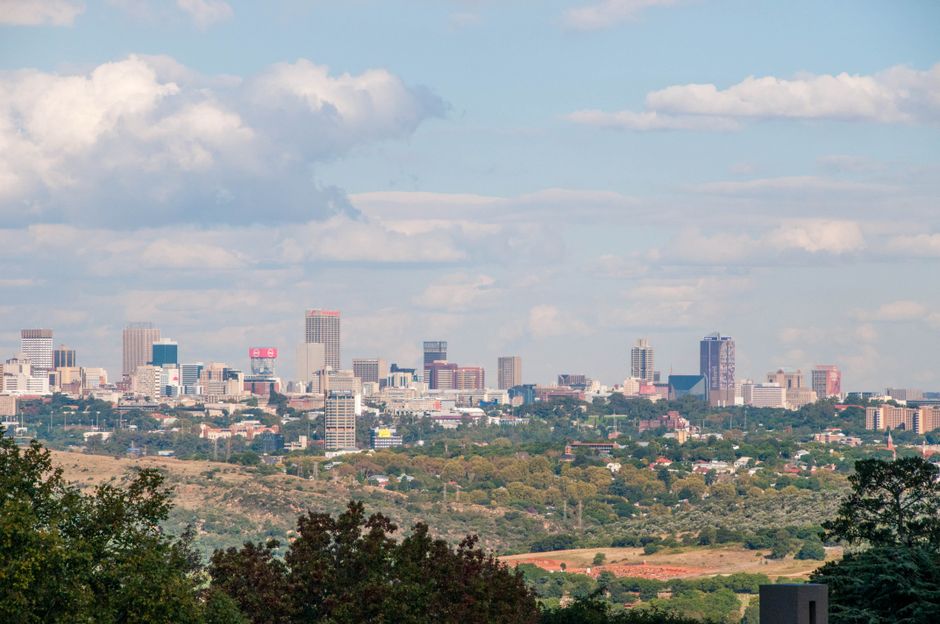
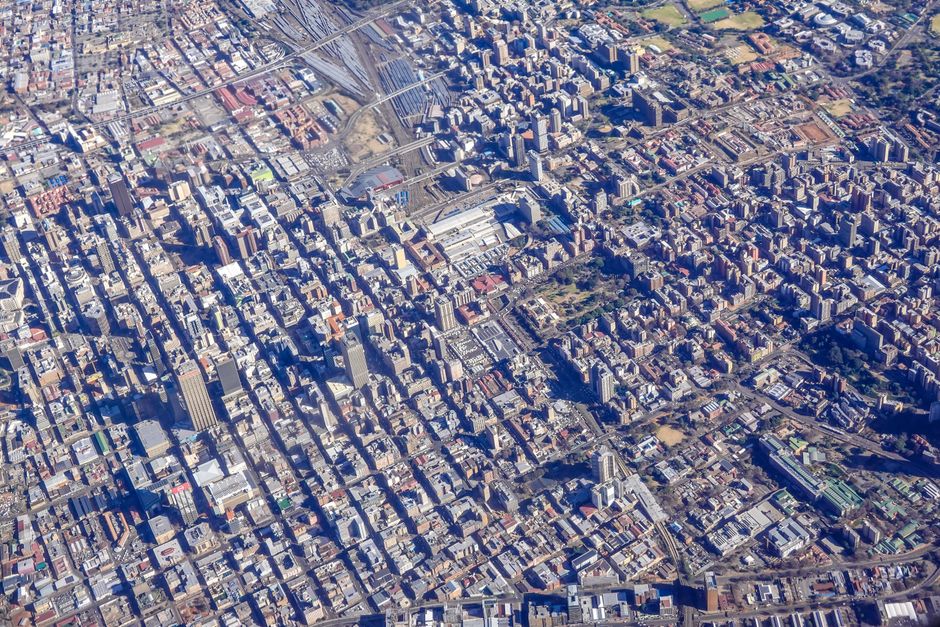
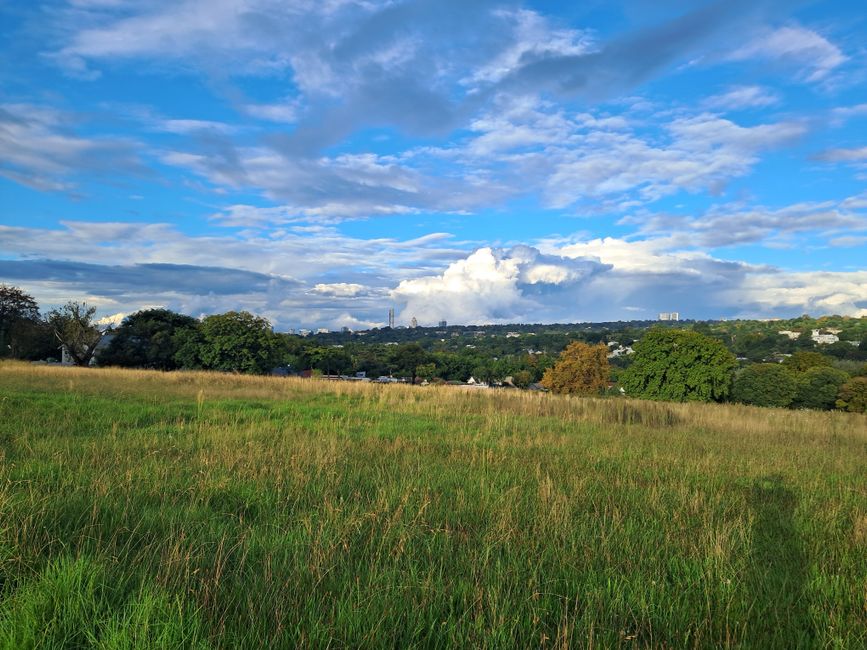
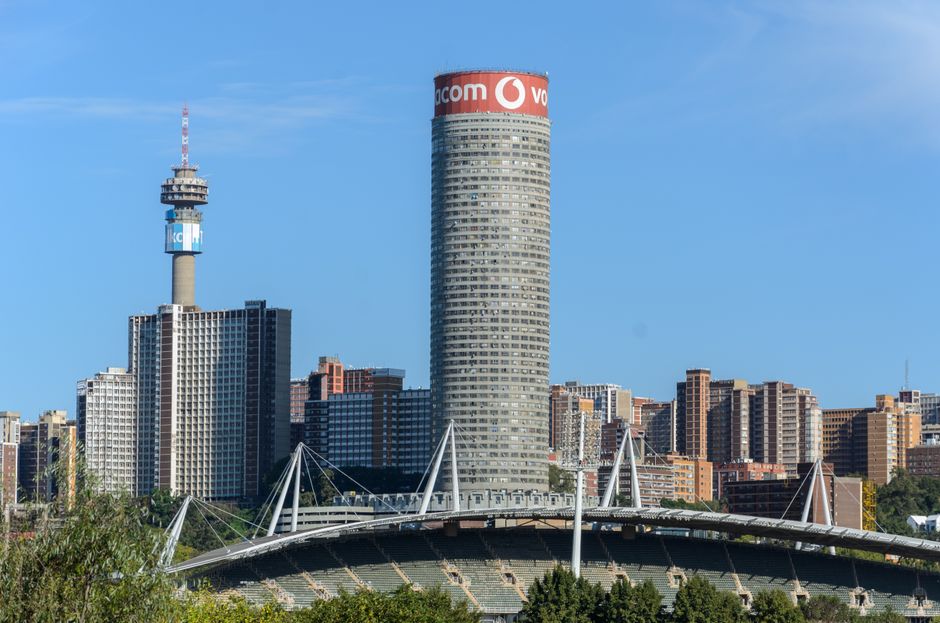
Stand on the Empire State Building observation deck of the Sandton skyline on a weekday morning, and you'll witness a peculiar urban theatre: thousands of cars crawling along the M1 corridor toward the Johannesburg CBD, their collective exhaust creating a haze that stretches from Midrand to Berea. This scene—familiar to millions of daily commuters—didn't emerge overnight. It represents the culmination of two decades of transport policy missteps, infrastructure underinvestment, and demographic pressures that forced the city's hand.
The story begins in the 1990s, when Johannesburg inherited a fragmented, racially segregated transport network from the apartheid era. The city sprawled across nearly 1,800 square kilometres, with wealthy northern suburbs—Sandton, Sunninghill, and Bryanston—isolated from the historically black eastern townships by both geography and design. This spatial configuration created what transport planners call "impossible commutes": residents in Soweto, Alexandra, and the East Rand were locked into two-hour daily journeys to reach employment centres in Sandton and the CBD.
When the Rea Vaya Bus Rapid Transit system launched in 2009, it promised transformation. The first corridor—snaking through Soweto and toward the city centre—was hailed as a game-changer. Yet chronic underfunding, vehicle maintenance backlogs, and safety concerns gradually eroded public confidence. By 2020, the system was carrying a fraction of its projected 600,000 daily passengers. Meanwhile, the M1, M2, and N1 highways—designed for 1990s traffic volumes—had become overwhelmed as the city's population swelled toward 6.5 million.
The infrastructure turning point came around 2023-24, when the Johannesburg Development Agency and Gauteng Provincial Government acknowledged a hard truth: incremental solutions wouldn't work. The cost of congestion alone—estimated at over R80 billion annually in lost productivity—had become unsustainable. Three consecutive summers of water outages, crumbling road surfaces on key arterial routes like Empire Avenue and Jan Smuts, and the expansion of informal transport networks revealed systemic decay.
That reckoning catalysed the current transport renaissance: the revival of the Rea Vaya expansion, plans for the Gautrain extension into the south and east, and the rapid-implementation road rehabilitation programme affecting Braamfontein, Hillbrow, and Soweto. Whether these projects will succeed where previous attempts faltered depends less on infrastructure itself than on the political will and sustained funding that got us here in the first place.
This article was compiled by AI from the sources linked above and screened before publishing. See our editorial standards.