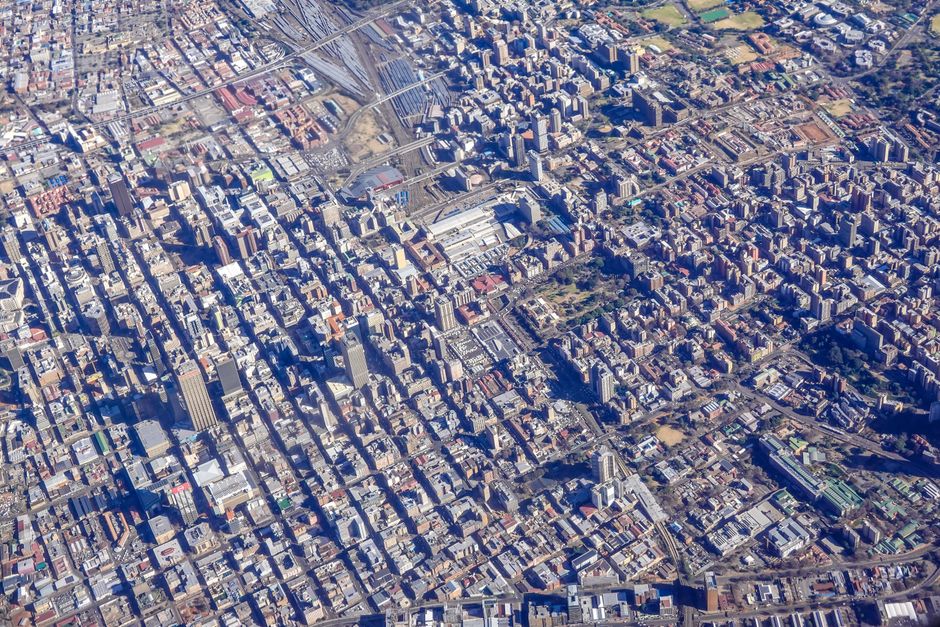
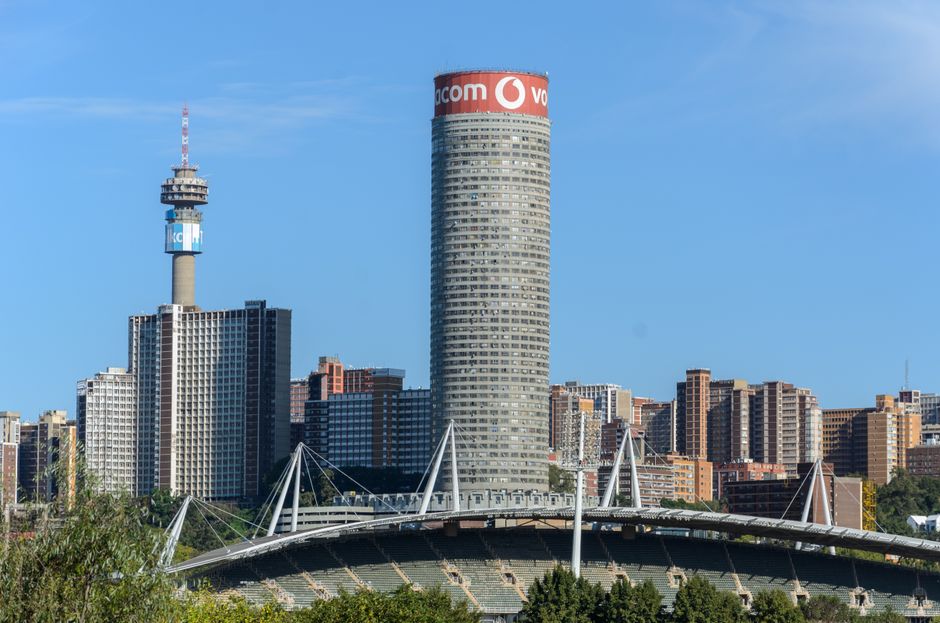
Johannesburg's relationship with migration has never been more consequential. From the crowded reception centres near the Lindela Repatriation Centre in Kempton Park to the informal settlements sprouting across Berea and Hillbrow, nearly 200,000 foreign nationals now call the city home—and that number is climbing. But unlike the optimistic rhetoric that once surrounded refugee resettlement, municipal leaders now face hard choices about resources, integration and community cohesion that will define how the city manages its role as southern Africa's primary gateway.
The stakes are concrete. The Department of Home Affairs' processing backlog means asylum applications—currently averaging 18 months to resolve—are pushing migrants into prolonged limbo. Many settle in Johannesburg's inner city, where rent in Berea averages R3,500 monthly for a single room, forcing families into shared accommodation that strains already-overburdened utilities and waste management. The City of Johannesburg's own data suggests informal settlements in these areas have grown by 23% since 2023, yet municipal budgets have remained flat.
Three critical decisions loom. First, the city must choose between defensive infrastructure (fencing, policing) and integrative investment (language programmes, skills training). Organisations like the Scalabrini Centre on De Korte Street have demonstrated that integration reduces social tension, yet their funding remains precarious. Second, provincial and local government must align on housing policy. Currently, migrants are ineligible for RDP allocation, pushing them toward exploitative landlords and informal structures. Whether Johannesburg will advocate for policy reform—or entrench exclusion—will reshape neighbourhoods like Yeoville and Bellevue.
Third, the international context demands attention. Instability in the Democratic Republic of Congo, ongoing conflict in the Horn of Africa, and Pakistan's recent military incursions into Afghanistan are likely to drive migration flows higher. Venezuela's crisis has already sent ripples across the continent. Johannesburg's response now will determine whether the city becomes a model for dignified, managed migration or a cautionary tale of infrastructure collapse.
Business chambers downtown acknowledge the economic argument: migrants fill labour gaps, launch enterprises, and contribute taxes. Yet without deliberate planning—skills matching, credential recognition, small business support—these contributions remain untapped. The Johannesburg Property Council estimates that informal settlements cost the city R2.8 billion annually in service delivery inefficiencies.
The window for proactive governance is closing. City leaders must decide: invest in integration infrastructure and policy reform now, or manage crisis response indefinitely. The next six months will prove decisive.
This article was compiled by AI from the sources linked above and screened before publishing. See our editorial standards.