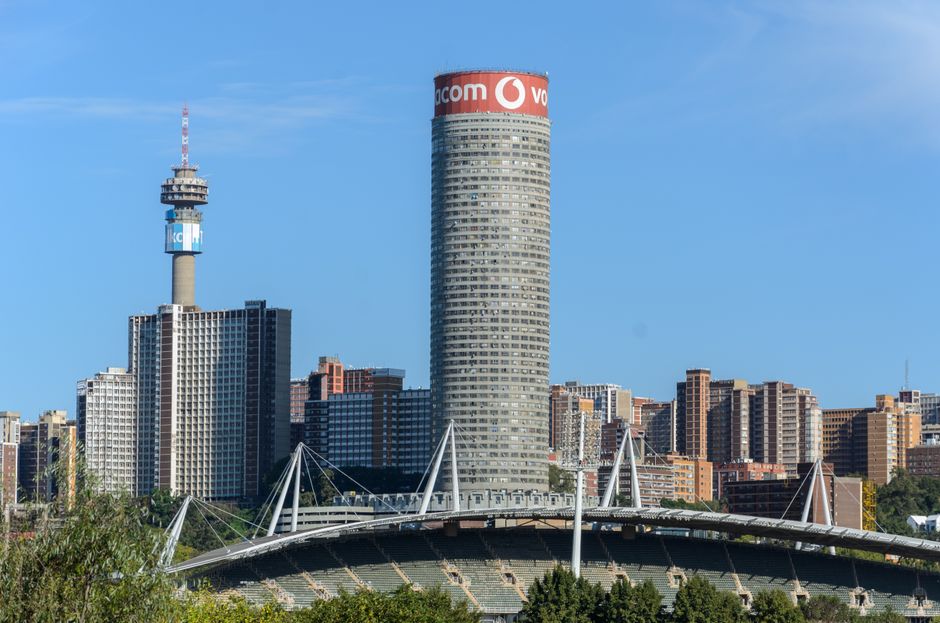
Johannesburg's transport infrastructure overhaul remains one of South Africa's most closely watched development programmes, with city officials and transport experts increasingly vocal about both progress and persistent challenges facing projects worth billions of rands.
The Gauteng Department of Roads and Transport has signalled renewed commitment to accelerating the Gautrain expansion towards the east, with plans extending service corridors towards Alexandra and Sandton's northern suburbs. Department officials have framed the project as essential for reducing congestion on the N1 and connecting traditionally underserved communities to economic nodes across the city. The department has allocated R8.2 billion towards Phase 2 infrastructure improvements, officials confirmed earlier this year.
However, transport economists point to implementation bottlenecks. Professor Thabo Mthembu of the University of the Witwatersrand's School of Civil Engineering highlighted challenges with the current Bus Rapid Transit (BRT) network serving commuters between Soweto and the Johannesburg CBD. "The BRT system has moved 1.2 million commuters monthly, but demand far exceeds capacity," Mthembu noted in recent public commentary on city infrastructure priorities. "We're seeing systematic underinvestment in last-mile connectivity."
The City of Johannesburg's latest infrastructure report identified the Rea Vaya BRT expansion as critical, though officials acknowledged maintenance costs have strained budgets. Route extensions into Orange Farm and Lenasia have been delayed, city planners confirmed, pushing original completion timelines from 2024 into 2027.
Meanwhile, the proposed Inner Ring Road development—connecting Braamfontein, Fordsburg, and Jeppestown through upgraded arterial routes—has drawn mixed responses from stakeholders. The Johannesburg Development Agency, tasked with coordinating the project, has positioned it as a transformative economic corridor. Yet business owners along Commissioner Street and Market Street have raised concerns about construction disruption and inadequate consultation, according to local chamber of commerce representatives.
The Southern African Transport and Logistics Council recently convened city officials and private sector leaders to discuss freight movement challenges. Officials emphasized that Johannesburg's role as a continental logistics hub depends on modernizing last-mile infrastructure, particularly in industrial zones around Wadeville and Elofsdale.
City spokesperson Nobuhle Dlamini stated that infrastructure investment remains a priority, pointing to R12 billion committed across transport, water, and energy upgrades through 2028. Yet experts stress that funding certainty and political coordination between municipal and provincial governments will determine whether Johannesburg's transport vision becomes reality.
This article was compiled by AI from the sources linked above and screened before publishing. See our editorial standards.