Johannesburg's Green Future Hinges on Critical Decisions This Year
As the City grapples with water scarcity and air pollution, three pivotal policy choices will determine whether sustainability initiatives take root or stall.
As the City grapples with water scarcity and air pollution, three pivotal policy choices will determine whether sustainability initiatives take root or stall.
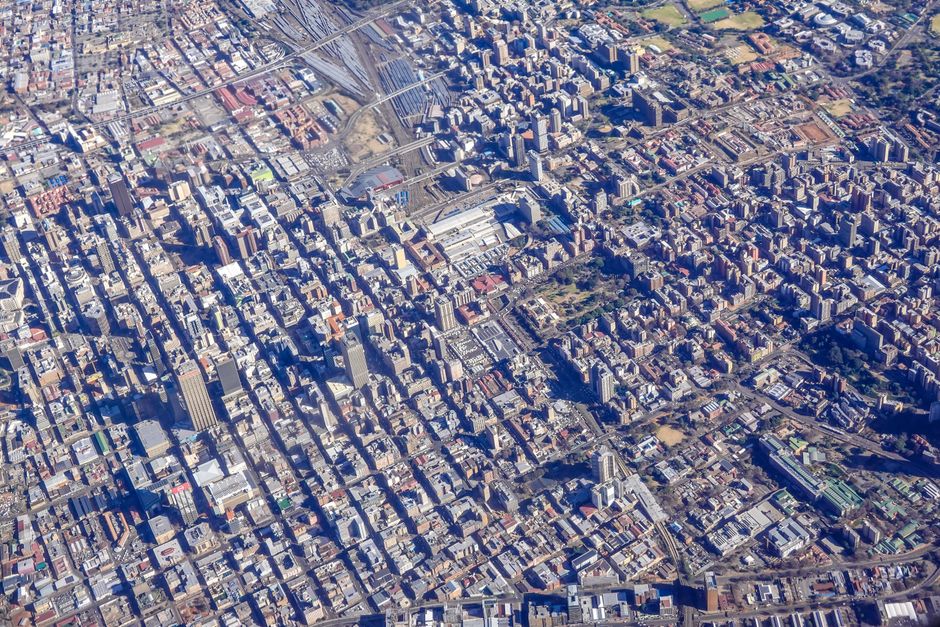
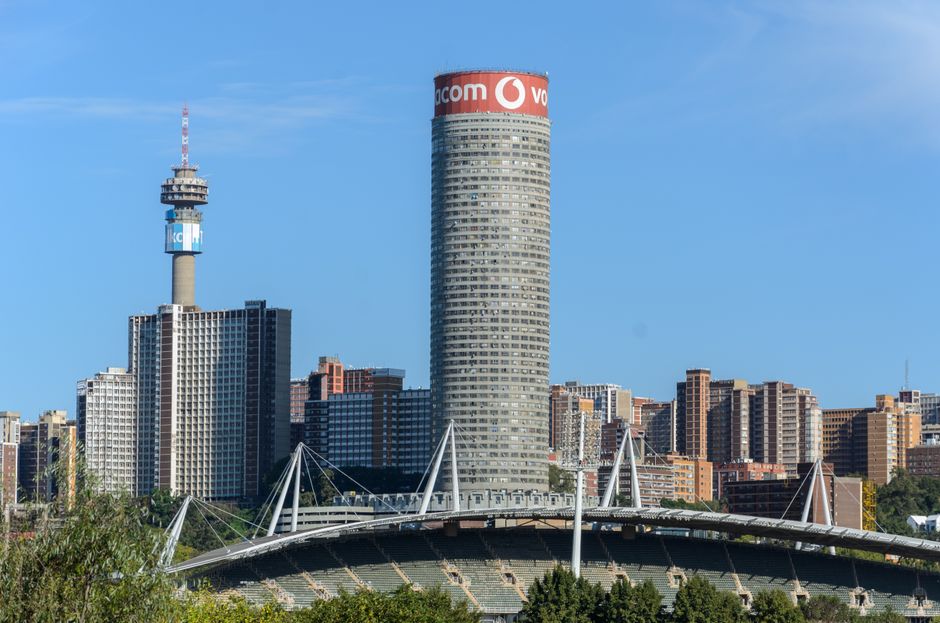
Johannesburg stands at an environmental crossroads. With water restrictions now a semi-permanent feature of life in suburbs from Sandton to Alexandra, and air quality regularly exceeding hazardous levels across the Gauteng province, the City has announced it must make three major decisions before year-end that will shape environmental policy for the next decade.
The first concerns the proposed expansion of the city's renewable energy procurement programme. Currently, Johannesburg's City Power supplies roughly 12% of electricity from renewable sources—well below the national target of 42% by 2030. A R2.8 billion investment in rooftop solar and wind farms in the Modderfontein industrial zone awaits City Council approval in September. If rejected, experts warn the city will fall further behind provincial competitors.
The second decision involves water management. The Johannesburg Water Company must choose between upgrading aging infrastructure in the eastern suburbs—a costly intervention affecting areas like Kempton Park and Boksburg—or investing in alternative supply sources, including aquifer testing around the Wonderboom Valley. Current water loss through leakage stands at approximately 37% of treated supply, costing the municipality an estimated R3.2 billion annually.
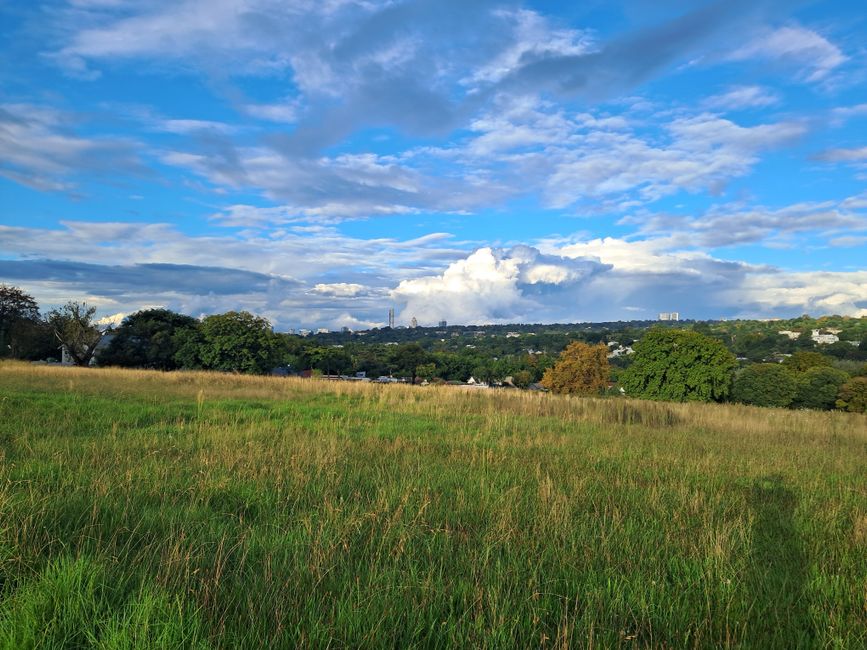
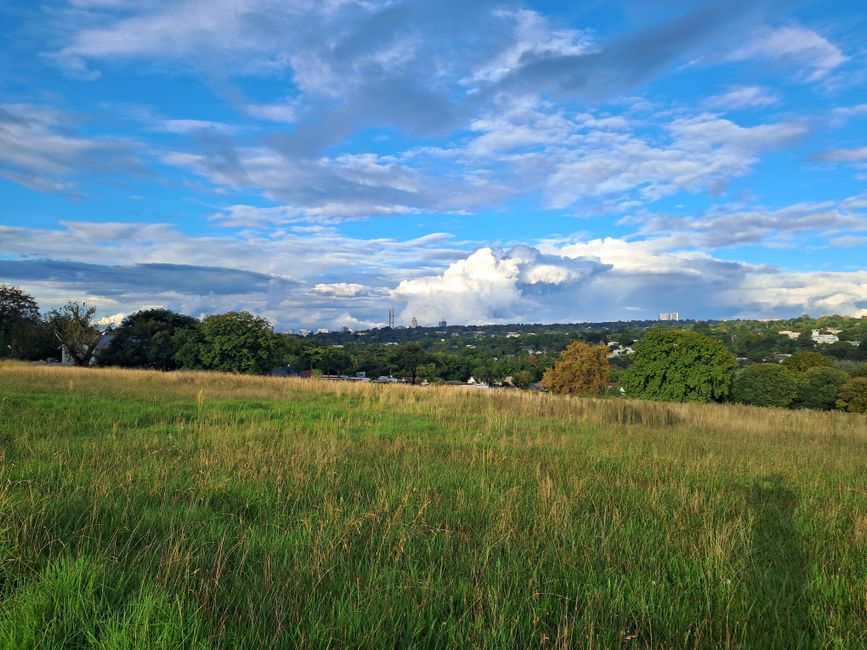
Third is the contentious urban greening initiative. The City's Parks and Recreation Department has proposed converting 240 hectares of underutilized land into green corridors linking the Bruma Lake area through to the Melville Koppies. While environmental groups applaud the plan, property developers and some residents in affected areas have raised concerns about land use and property values.
These decisions arrive amid mounting pressure. Johannesburg's Energy and Climate Action Plan, adopted in 2023, committed to carbon-neutral operations by 2040. Yet progress has been uneven. The Soweto Greening Project, launched two years ago to plant 500,000 trees, achieved only 34% of its target. Similarly, the waste-to-energy facility planned for the City Deep industrial area remains stalled due to community opposition and technical reviews.
Environmental groups operating from offices around the Braamfontein precinct say the window for meaningful action is narrowing. Climate modelers predict that without significant interventions, Johannesburg could face water shortages affecting 60% of the metropolitan area by 2032.
The Council's environmental portfolio committee meets July 14 to begin reviewing these three initiatives. Public hearings are scheduled for August in Rosebank and Alexandra, with final votes expected in October. For a city of nearly 4 million residents, these decisions will echo far beyond the Civic Centre.
This article was compiled by AI from the sources linked above and screened before publishing. See our editorial standards.
How does this story make you feel?
Spread the word
About this article
Published by The Daily Johannesburg
Daily brief
Free, in your inbox before 7am. Weekdays.
More in News