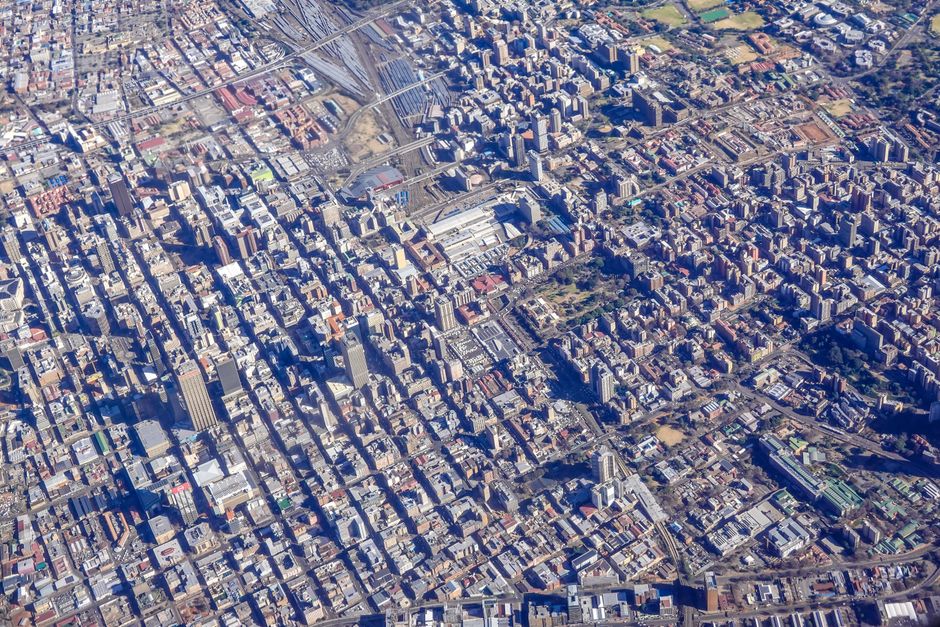
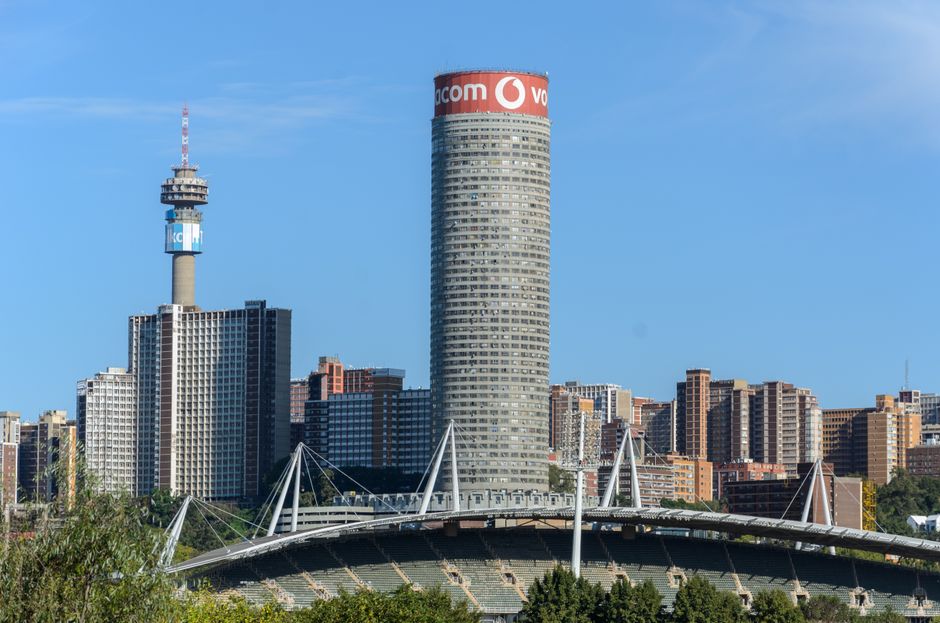
For three weeks, Thandi Mthembu has been collecting water from a communal tap at the corner of Claim and Main Street in Hillbrow, carrying buckets up six flights of stairs to her apartment. At 42, she says the physical toll is mounting—but it's the indignity that cuts deepest.
"We're not asking for luxuries," Mthembu says, echoing the frustration felt across the neighbourhood. "We're asking for what every resident should have: water from our taps."
The ongoing water outages plaguing Hillbrow and surrounding areas have sparked urgent conversations among residents, business owners, and civil society organisations. The infrastructure challenges, attributed to ageing pipes and maintenance backlogs, have left thousands without reliable supply for weeks at a time. According to Johannesburg Water's latest report, the Hillbrow zone experiences an average of 18 days of unplanned interruptions monthly—double the city's target of 9 days.
At the Hillbrow Community Centre on Kotze Street, local organisations have begun documenting resident experiences. "We've recorded over 300 complaints in the past two months alone," says Sipho Nkosi, coordinator at the Centre. "People are spending money they don't have on alternative water sources. The poorest households are being hit hardest."
Shop owner Lerato Khoza, who runs a small grocer on Claim Street, estimates she's lost R4,000 monthly in spoiled stock and reduced foot traffic. "Customers avoid the area because they can't shower or cook properly," she explains. "This affects everyone—residents, workers, businesses."
The crisis has prompted deeper questions about service delivery and municipal accountability. Community leaders point to crumbling infrastructure as symptomatic of broader maintenance failures. While Johannesburg Water has announced a R2.3-billion investment in pipe replacement over five years, residents argue the timeline is unacceptable.
"We need answers on timelines and progress," says Rev. David Sithole of Hillbrow Methodist Church, which has opened its gates to residents seeking water. "People are losing faith in the system."
Residents have begun organising collective pressure—submitting formal complaints to the City's ward councillor and requesting public meetings with Johannesburg Water officials. Several informal networks have emerged to share information about water collection points and alternative supply sources.
As winter approaches and demand typically decreases, residents hope for temporary relief. But many say the real conversation must centre on permanent solutions and acknowledgment from municipal authorities about the scale of the problem affecting their daily lives.
This article was compiled by AI from the sources linked above and screened before publishing. See our editorial standards.