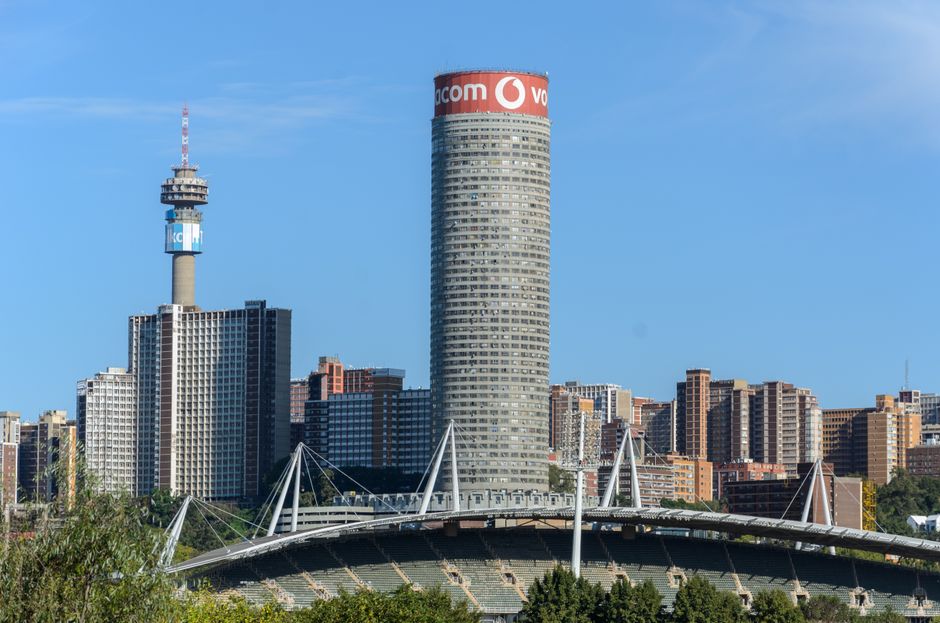
The proposed expansion of the Gautrain network into traditionally underserved areas represents one of the most significant infrastructure investments to hit Johannesburg since the original line opened in 2010. But for commuters navigating the city's sprawling geography—from Alexandra to Soweto to Orange Farm—the real question isn't about cutting ribbons. It's about whether these projects will genuinely transform daily life for ordinary residents.
Currently, the Gautrain connects Johannesburg's wealthiest precincts: Sandton, the CBD, and Midrand. A commuter from Alexandra township faces a 45-minute minibus commute to reach the nearest station at Marlboro, costing upwards of R4,500 monthly. For workers in manufacturing and service industries, that's a significant bite from already-stretched budgets. The proposed extensions—particularly toward Soweto's major employment hubs and the sprawling townships on the city's periphery—could theoretically halve travel times and costs for hundreds of thousands.
The economic logic is compelling. Faster commutes mean workers spend less on transport, leaving money for household essentials and local economies. Studies from similar projects in Cape Town suggest reliable rapid transit increases property values in surrounding areas by 15-20 percent, potentially enabling wealth accumulation for those who've historically been locked out of Johannesburg's property market.
Yet concerns linger about execution. The original Gautrain ran roughly 80 kilometres at a cost of R33 billion. Any expansion faces steep terrain challenges crossing from the CBD through Hillbrow and Berea down toward Soweto, plus the bureaucratic complexity of coordinating with multiple municipalities. Delays aren't hypothetical—construction on supporting infrastructure like the Rea Vaya Bus Rapid Transit system has faced repeated setbacks.
More fundamentally, residents want assurance that expansion won't follow the original pattern: premium pricing that keeps the system accessible only to affluent commuters. Current Gautrain fares average R38-48 per journey—roughly double comparable international systems. For a daily user in an informal settlement earning R300-400 weekly, accessibility remains theoretical.
Community organisations in Soweto and Alexandra have begun engaging with transport authorities, demanding that any expansion include subsidised fares for township residents and job creation during construction. These aren't unreasonable demands. Infrastructure investment should address historical inequalities, not entrench them.
As Johannesburg competes for investment and talent in a global city landscape, transport connectivity matters. But it matters most to the nurse in Chiawelo catching a 5am minibus, not the executive in a Sandton high-rise. Whether these projects serve that nurse—or primarily benefit property developers and wealthy commuters—will define whether Johannesburg's infrastructure finally works for everyone.
This article was compiled by AI from the sources linked above and screened before publishing. See our editorial standards.