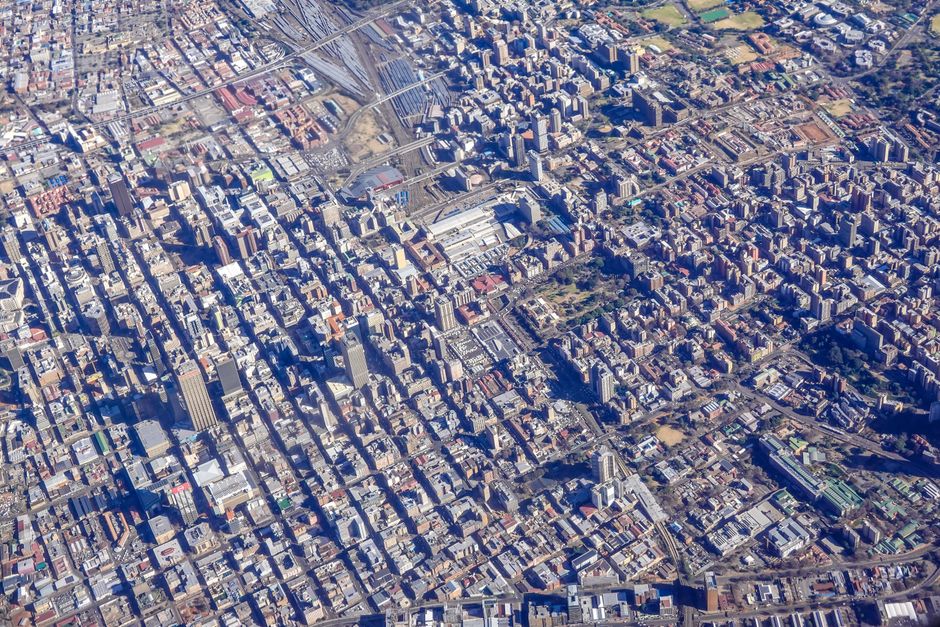
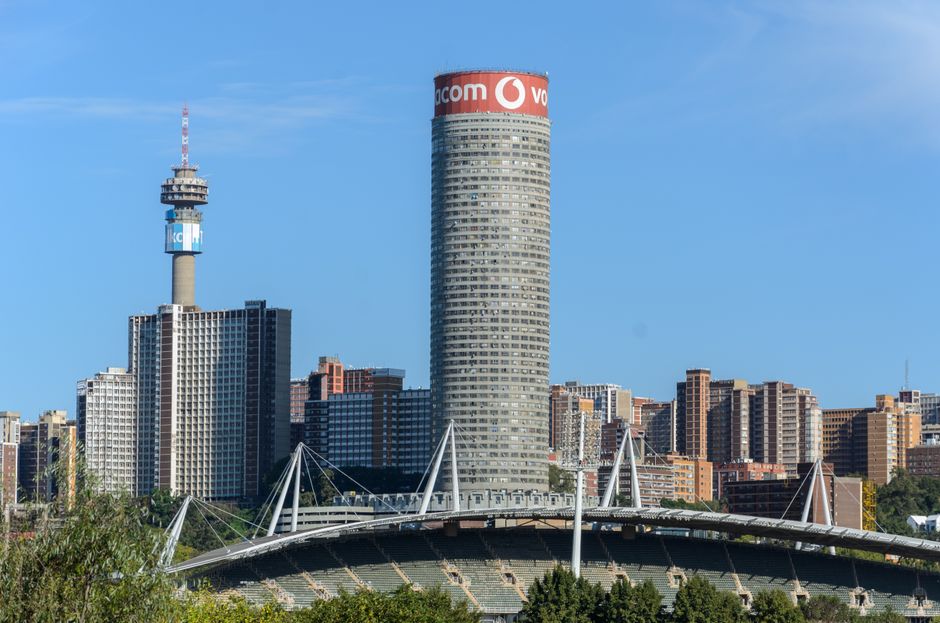
As Johannesburg's municipal administration advances its new Housing and Urban Development Framework, residents across the city's most densely populated areas are raising urgent concerns about being sidelined in decisions that will fundamentally alter their communities.
The tension crystallised recently when the City announced plans to fast-track housing developments in Alexandra, Soweto, and sections of the inner city—areas where informal settlements house an estimated 1.2 million people. Community organisations say they were given minimal notice before critical planning meetings at the Johannesburg Development Agency offices on Fox Street.
"We are not opposed to development," said a spokesperson for the Alexandra Housing Action Committee during a consultation session last week. "But when decisions about our streets, our schools, our transport links are made without us, we end up with schemes that don't work for the people who actually live here."
The concerns resonate across multiple neighbourhoods. In Soweto, where property values have climbed 23 percent in the past three years according to local estate agents, residents fear displacement as developers eye land near the Gautrain stations. Similar anxieties grip inner-city communities in Hillbrow and Berea, where rapid gentrification has already pushed rental costs beyond the reach of long-term residents.
The City's current proposal includes converting approximately 4,000 hectares of land for mixed-income residential use, with targets to deliver 50,000 housing units over five years. Officials emphasise the need for speed, citing the national housing backlog of over 2.8 million units.
Yet community leaders argue that hurried implementation without genuine participation breeds resentment and poor outcomes. "Our grandmothers know where the water pipes burst in winter," one Soweto resident noted. "Engineers coming from the northern suburbs don't."
The Johannesburg Housing Rights Centre and similar advocacy groups are now demanding that community participation be formalised into policy—not as an afterthought, but as a binding requirement before any project breaks ground. They're pushing for transparent ward-level consultations and meaningful representation on decision-making committees.
The City has promised expanded engagement over the coming months, with roadshow sessions planned for Eldorado Park, Orange Farm, and the East Rand townships. Whether these forums will genuinely influence policy or simply create the appearance of consultation remains a defining test for Johannesburg's commitment to inclusive urban planning.
This article was compiled by AI from the sources linked above and screened before publishing. See our editorial standards.