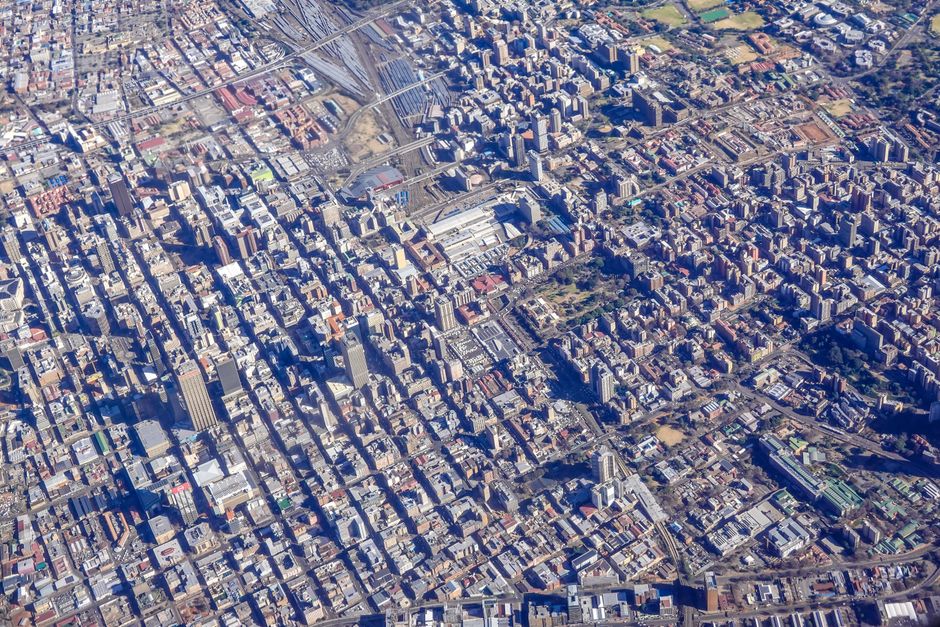
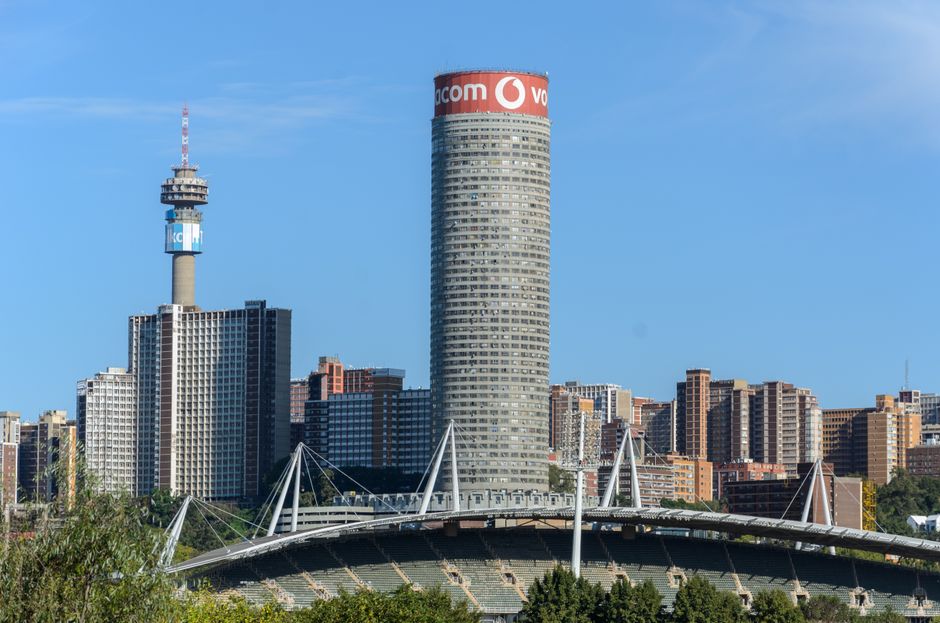
Johannesburg stands at a critical juncture. The city's ambitious transport infrastructure programme, valued at approximately R45 billion across multiple phases, promises to reshape how nearly four million residents move through the sprawling metropolis. Yet for communities already strained by congestion, unreliable service and deteriorating infrastructure, the real test lies not in the announcements but in execution.
The Gauteng Department of Transport and the City of Johannesburg have prioritised upgrades to the Rea Vaya bus rapid transit system, with expansion corridors extending into Alexandra, Soweto and the East Rand townships—areas where residents typically spend two to three hours daily commuting. Current fares of R20 per trip represent significant household expenses for workers earning modest incomes.
Recent feasibility studies flagged a crucial challenge: infrastructure projects in Johannesburg have historically suffered from delays and cost overruns. The N1 widening project, initially budgeted at R8 billion, saw completion timelines slip by 18 months. For daily commuters navigating the Sandton-Johannesburg CBD corridor, such delays translate directly into lost productivity and increased transport costs.
What makes this moment different is the scale of impact on peripheral communities. Residents in Orange Farm and Ennerdale—where some commute over 90 kilometres to reach employment in the CBD—could see travel times cut by 40 percent if the proposed Rapid Rail Link achieves its targets. Similarly, upgrades to the Soweto-Johannesburg connectivity along the Linden, Fordsburg and Maboneng corridors could unlock economic opportunity in townships historically isolated from job centres.
However, community engagement remains patchy. Ward councillors report that residents in affected areas like Diepsloot and Ivory Park express scepticism born from previous broken promises. The 2019 Rea Vaya extension to Maponya Mall was delayed three years beyond schedule, undermining public confidence.
The financial model also concerns local economists. User fees, already significant for low-income commuters, may need to rise if maintenance standards improve. The City must balance cost recovery with affordability—a tension that has plagued transport authorities globally.
Success requires three elements: transparent governance structures with meaningful community oversight, realistic timelines that account for Johannesburg's unique constraints, and integration with housing and economic development plans. The Alexandra Renewal Project, for instance, can only fulfil its potential if transport connectivity matches housing construction.
Johannesburg's transport future will ultimately be determined not by project budgets but by whether infrastructure serves the daily reality of residents—the nurse commuting from Soweto to Sandton, the trader travelling from Alexandra to the inner city, the student reaching distant campuses. Infrastructure delivers genuine development only when it reaches those who need it most.
This article was compiled by AI from the sources linked above and screened before publishing. See our editorial standards.