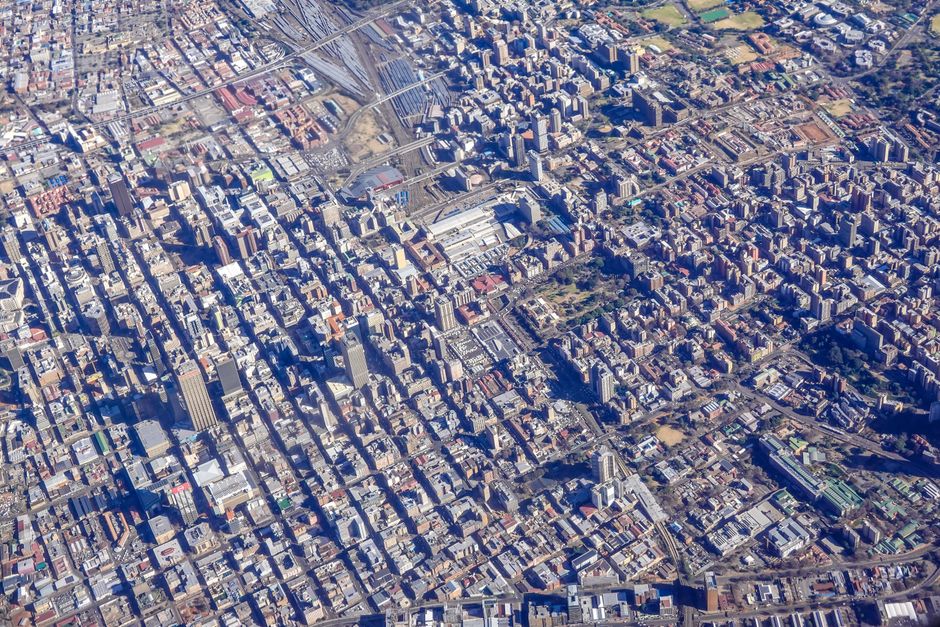
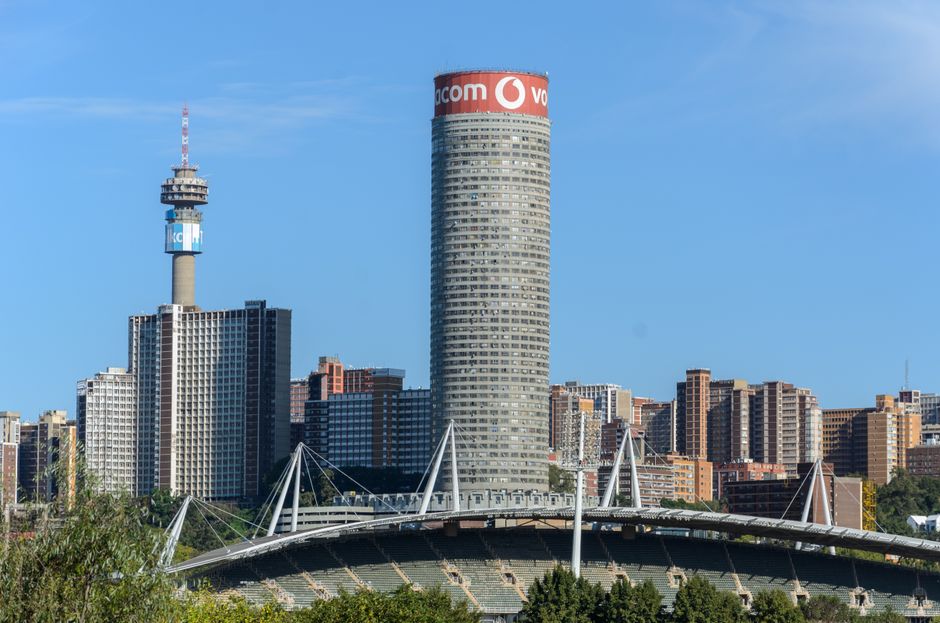
The housing shortage gripping Johannesburg didn't materialise overnight. It is the accumulated result of policy failures, infrastructural constraints, and competing visions that stretch back to the city's democratic transition more than three decades ago.
When South Africa's new government took power in 1994, Johannesburg inherited a fractured spatial legacy. The apartheid-era Group Areas Act had carved the city into racial zones, with townships like Soweto, Alexandra, and Tembisa existing as dormitory communities far from economic centres like the Sandton business district and the Johannesburg CBD. Reversing this geometry has proven far more complex than early planners anticipated.
The Housing White Paper of 1994 promised rapid delivery through state-subsidised schemes, yet by 2026, backlogs have only deepened. Data from the Housing Development Agency suggests that greater Johannesburg requires approximately 1.2 million additional housing units to meet current demand—a figure that has grown faster than construction rates. Meanwhile, formal housing prices in established areas like Rosebank and Parkhurst have surged beyond reach for most residents, with median prices exceeding R3.5 million.
The city's spatial development frameworks have repeatedly struggled to balance competing interests. The Corridors of Freedom initiative, launched in 2014, aimed to integrate mixed-income housing along transport routes connecting townships to employment nodes. Yet implementation has been patchy. Projects stalled along the Joburg-Soweto corridor and within the inner city as funding dried up and coordination between the municipality, provincial authorities, and private developers fractured.
Infrastructure constraints compound planning failures. Areas identified for densification—from Braamfontein to the Elizabeth Corridor—face water and electricity bottlenecks. Municipal capacity shortages mean environmental impact assessments and land release processes move slowly. Some proposed developments in Kempton Park and Ekurhuleni have languished in approvals for over five years.
The informal housing economy has meanwhile exploded. Sprawling settlements in Orange Farm, Toekomsrus, and beyond now house hundreds of thousands in conditions reflecting minimal municipal oversight. These communities exist partly because formal channels have failed them.
Recent municipal budgets have attempted course corrections, with modest increases in social housing allocations and renewed commitments to the Inner City Housing Programme. Yet the decisions that created today's crisis—fragmented governance structures, underestimated demand, delayed transport infrastructure—continue to constrain solutions.
Understanding how Johannesburg arrived here is essential to whether its new housing initiatives can succeed where previous efforts faltered.
This article was compiled by AI from the sources linked above and screened before publishing. See our editorial standards.